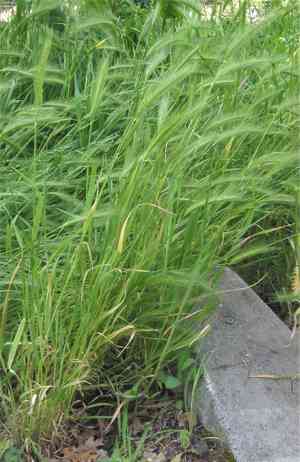
Mouse Barley (Hordeum murinum)
Also known as: Smooth barley, Wild barley
Mouse barley, contrary to what its name might suggest, is not a cereal grain but a type of grass. It plays a crucial role in pastures, offering substantial nutritional benefits for grazing livestock. This grass can reach up to 30 cm in height.
In This Article
Attributes of Mouse Barley
Lifespan
Annual
Plant Type
Grass
Plant Height
30 cm
Spread
60 cm
Leaf Color
Green
Flower Size
7 mm to 1.6 cm
Flower Color
Yellow Green
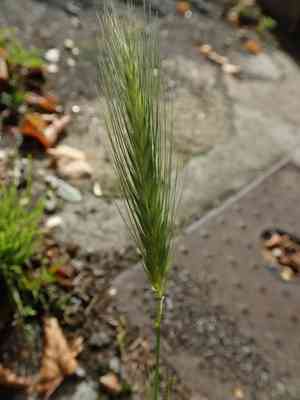
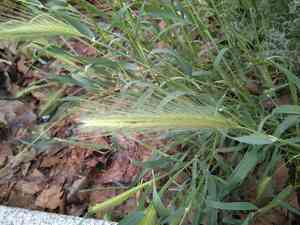
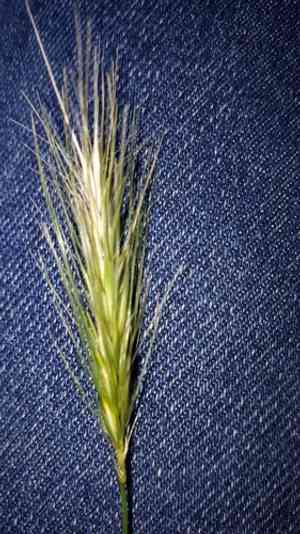
Images of Mouse Barley
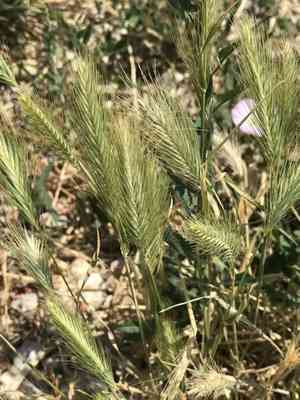
Quickly Identify Mouse Barley
1
Hordeum murinum can be identified by its compact, spikelike inflorescence, which is green to purplish in color. The awns (long bristle-like structures) on the seeds are prominent and can cause irritation to animals if ingested.
Scientific Classification of Mouse Barley
Phylum
Vascular plants
Class
Monocotyledons
Order
Poales
Family
Grass
Genus
Barleys
Species
Mouse Barley
Planting and Growing of Mouse Barley
Care Difficulty
Easy
Watering Schedule
Every 2 days
Sunlight Requirements
Full sun
Sunshine Duration
6-12 hours
Ideal Temperature
60-70℉
Soil Type
Potting Mix, Peat Mix
Soil pH
6.5-7.5
Fertilizer Type
Balanced
Pruning Season
Spring, Summer
Pruning Area
Branches, Leaves
Pruning Frequency
2 times a year
Repotting Season
Spring
Pot Type
Plastic, Ceramic
 How to Water Mouse Barley?
Hordeum murinum, commonly known as wall barley, requires about 250 ml of water per session. The general rule is to water the plant until the soil is thoroughly moist but not waterlogged. Avoid having standing water at the bottom of the pot, as it can lead to root rot.
What are the symptoms of an underwatered Mouse Barley?
›
What should I do if my Mouse Barley is not getting enough water?
›
What are the symptoms of an overwatered Mouse Barley?
›
How to save an overwatered Mouse Barley?
›
 What Are the Sunlight Requirements for Mouse Barley?
Hordeum murinum thrives in full to partial sunlight, averaging 6-8 hours a day. The benefits include optimal growth, healthy leaf color, and strong root systems.
What is the ideal amount of sunlight for Hordeum murinum?
›
How to ensure Hordeum murinum gets adequate sunlight?
›
What are the benefits of meeting the ideal sunlight conditions for Hordeum murinum?
›
 What Is the Ideal Temperature Range for Mouse Barley?
For optimal growth of Hordeum murinum, it is essential to maintain a temperature range between 60°F and 70°F. This range ensures that the plant can photosynthesize efficiently, support healthy leaf development, and maintain a robust root system. Maintaining this temperature range helps in optimizing metabolic activities, ensuring the plant grows at its full potential.
 What Soil is Best for Mouse Barley?
Hordeum murinum thrives in soils that have good drainage. Proper drainage prevents waterlogging, which can lead to root rot and other detrimental effects. Ensuring well-drained soil helps maintain the health and vigor of the plant. This plant prefers soils with moderate fertility. Overly rich soils can lead to excessive leafy growth and reduced grain production. A balanced nutrient level supports strong growth without overwhelming the plant. Hordeum murinum grows best in soils with a neutral pH range of 6.5 to 7.5. Maintaining this pH range ensures optimal nutrient availability and uptake, preventing deficiencies or toxicities.
 How to Fertilize Mouse Barley?
For Hordeum murinum, it's crucial to apply a balanced amount of fertilizer. Use approximately 0.5 kg of liquid fertilizer per square meter each month. For solid fertilizer, apply about 1 kg per square meter annually, ensuring not to overwhelm the plant with nutrients.
 How to Prune Mouse Barley?
Select stems that appear barren or are encroaching into areas where you don't want the Hordeum murinum to grow. These could be tall, spindly stalks that have dried up or those starting to produce seedheads. Using sharp gardening shears, cut back selected stems to about one-third of their size. This encourages a more compact shape, promoting denser growth and preventing the plant from scattering seeds unexpectedly. After pruning, water the plant lightly to promote recovery. Consider adding a layer of mulch around the base to retain moisture and suppress the growth of any unwanted germinating seeds.
 How to Propagate Mouse Barley plant?
1
Fill a seed tray with a sterile seed-starting mix, which is free of pathogens that might hinder seed germination. Gently press down the mix to eliminate air pockets and provide a firm base for the seeds. Ensuring the soil mix is damp but not waterlogged is crucial before sowing the seeds.
2
Scatter Hordeum murinum seeds evenly over the surface of the prepared soil. Cover them with a thin layer of the seed-starting mix, about a quarter-inch thick, to provide darkness and maintain a consistent temperature around the seeds for optimal germination.
3
After sowing, use the spray bottle to mist the soil surface lightly. Place the seed tray in a warm location with indirect sunlight. Regularly check the soil moisture and mist as needed to avoid letting the soil dry out, while avoiding overwatering that might lead to seed rot.
 How to Repot Mouse Barley plant?
1
As spring rolls around, keep an eye on your Hordeum murinum. It's time for a new pot when the roots start circling around the pot's bottom or if the plant shows signs of stunted growth. If the soil is too compacted or water drainage is poor, it's another signal to repot this hardy barley.
2
Selecting the right pot for Hordeum murinum is crucial. A pot that is 2 inches larger in diameter than the current one is ideal. The new container should have efficient drainage holes to prevent waterlogging. Using a correctly sized pot allows the roots to spread comfortably and improves the plant's overall health.
3
An ideal soil mix for Hordeum murinum is one that drains well while retaining enough moisture. A combination of loamy soil with added sand or perlite works wonders. This mixture ensures that the plant receives adequate nutrients and prevents root rot, promoting vigorous growth.



