How to Transplant Heermanns tarweed?
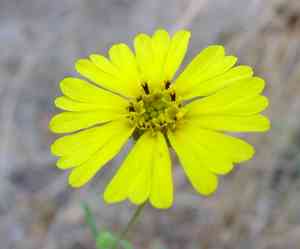
Relocate heermanns tarweed during the peak of the warm period, specifically from late spring to the beginning of summer. Select a bright spot with soil that drains effectively. Handle the root system carefully to facilitate its adjustment.
Necessary Preparations Before Relocating Heermanns Tarweed
Optimal Period for Moving Heermanns Tarweed?
The perfect time to move heermanns tarweed is from the emerging warmth of late spring to the start of early summer. This period benefits from mild temperatures and consistent weather, providing an ideal establishment phase for heermanns tarweed. Transplanting during this season aligns with its natural growth cycle, ensuring heermanns tarweed roots firmly take hold. The comfortable environment also shields transplanted heermanns tarweed from harsh conditions, fostering successful integration and vigorous development.
Recommended Spacing Between Heermanns Tarweed Plants?
Greetings, gardening enthusiast! Before introducing heermanns tarweed to your garden, let's ensure ample room for their development. Aim for a spacing of approximately 12-18 inches (30-45 cm) between them. This will provide sufficient area for them to grow large and robust!
Ideal Soil Blend for Heermanns Tarweed Relocation?
For heermanns tarweed, a soil that drains effectively will be highly beneficial. Begin by incorporating some organic compost as a foundational fertilizer to nourish your plant. This organic addition is precisely what heermanns tarweed requires to develop strong roots!
Optimal Site for Replanting Your Heermanns Tarweed?
Sunlight is a cherished companion for heermanns tarweed, so select a location where the sun's rays can generously reach them. Choose a spot that receives full sun to ensure your heermanns tarweed bathes in the warm light for healthy development!
Equipment Required Before Transplanting Heermanns Tarweed
Gardening Gloves
To safeguard your hands while handling soil and the plant.
Garden Shovel or Spade
For excavating the plant with minimal disruption to its root system.
Garden Trowel
To refine the planting hole or manage smaller aspects of the transplanting process.
Watering Can or Hose with a Soft Spray Attachment
For hydrating heermanns tarweed both before and after the move.
Pruning Shears
To trim any damaged or excessively long roots or foliage if necessary.
Method for Extracting Heermanns Tarweed from the Ground?
Method for Extracting Heermanns Tarweed from the Ground?
From Ground: Carefully dig around the heermanns tarweed, creating a wide circle to avoid cutting into the root system. Gently lift the root ball, preserving as much of the root structure as possible.From Pot: Tilt the pot sideways and gently tap the bottom or sides to loosen the heermanns tarweed. Support the plant's base and carefully slide it out, taking care to keep the root ball intact.From Seedling Tray: Use a garden trowel or a specialized plug tool to carefully remove the heermanns tarweed from its tray cell without compacting the soil or harming the young roots.
Step-by-Step Guide for Relocating Heermanns Tarweed
Preparation
Water heermanns tarweed thoroughly in its original spot a few hours prior to transplanting to ensure the roots are well-hydrated.
Excavating The Hole
Dig a hole in the ground that is twice the width of the heermanns tarweed's root ball and equally deep to allow the roots to spread.
Positioning The Plant
Gently place heermanns tarweed into the hole, ensuring it sits at the same depth it was previously growing and that the plant is upright and centered.
Backfilling The Hole
Carefully backfill the hole with soil around the roots of heermanns tarweed, preventing air pockets by firming the soil as you go and watering lightly to settle the soil.
Final Hydration
Water the heermanns tarweed thoroughly after planting to help establish root-to-soil contact and aid recovery from transplant shock.
Mulching
Apply a layer of mulch around the base of heermanns tarweed to retain soil moisture and regulate soil temperature.
Post-Transplantation Care for Heermanns Tarweed
Observation
Monitor heermanns tarweed for indications of transplant shock, such as wilting or discolored leaves, and address any issues promptly.
Watering Regimen
Establish a consistent watering schedule for heermanns tarweed, allowing the soil to dry slightly between waterings to encourage robust root development.
Protection
Shield heermanns tarweed from pests and physical damage caused by heavy rains, winds, or animals by using barriers if necessary.
Support
If heermanns tarweed is tall or top-heavy, provide support with stakes or trellises to prevent it from bending or breaking.
Resolving Common Issues with Heermanns Tarweed Transplantation.
When is the best time to move heermanns tarweed?
Relocate heermanns tarweed when the weather is mild, ideally from late spring to early summer.
What spacing should I use for heermanns tarweed when transplanting?
Space your heermanns tarweed approximately 12-18 inches (30-46 cm) apart to ensure proper growth and air circulation.
How deep should the planting hole be for heermanns tarweed?
Excavate a hole that is as deep as the root ball and twice as wide to accommodate heermanns tarweed's growth.
Should I water heermanns tarweed immediately after transplanting?
Yes, provide heermanns tarweed with a thorough watering to help settle the soil and eliminate air pockets.
Why is my transplanted heermanns tarweed wilting?
Wilting may be due to shock. Ensure they are well-hydrated and protected from extreme conditions.
Can heermanns tarweed be transplanted on a hot day?
It's preferable to transplant heermanns tarweed on a cloudy day or in the evening to avoid heat stress.
What soil is ideal for transplanting heermanns tarweed?
Utilize well-draining soil rich in organic matter to promote healthy growth for heermanns tarweed.
Is it necessary to fertilize heermanns tarweed after transplanting?
Wait a few weeks before fertilizing to allow heermanns tarweed to establish itself in its new location.
How do I safeguard heermanns tarweed after transplanting?
Initially, provide shade from intense sun and shelter from strong winds after transplanting heermanns tarweed.
My heermanns tarweed appears droopy after transplanting, what action should I take?
Droopiness is common; keep the soil moist and avoid full sun exposure until heermanns tarweed recovers.



