How to Transplant Red kauai rosemallow?
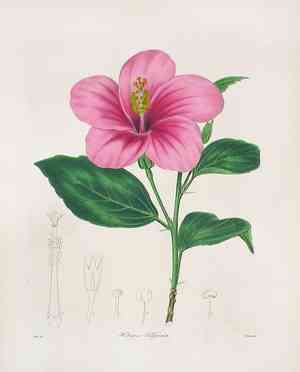
Relocating red kauai rosemallow is most effective from early to mid-spring, as temperatures rise and new development commences. Select a bright spot with soil that drains efficiently to encourage peak growth. Steer clear of excessively hot environments, and provide consistent watering after moving the plant to ensure it takes root successfully.
What Preparations are Needed Before Transplanting Red Kauai Rosemallow?
What is the Ideal Time for Transplanting Red Kauai Rosemallow?
Red kauai rosemallow, a perennial plant, is best moved during mid to late spring. This period ensures optimal ground warmth and consistent moisture, fostering strong root growth. Relocating at this time minimizes plant stress and improves establishment, leading to healthier development. This timing capitalizes on the warming weather, ensuring red kauai rosemallow thrives in its new spot.
How Much Space Should You Leave Between Red Kauai Rosemallow Plants?
For relocating red kauai rosemallow, position each plant 24-36 inches (60-90 cm) apart. This provides ample room for them to grow and display their beautiful flowers without overcrowding.
What is the Best Soil Mix for Red Kauai Rosemallow Transplanting?
Prepare well-draining soil rich in organic matter for red kauai rosemallow. A blend of compost and garden soil works well. Incorporate a balanced base fertilizer, such as 10-10-10, to give the plants a strong start.
Where Should You Relocate Your Red Kauai Rosemallow?
Select a sunny location for moving red kauai rosemallow. This plant flourishes in full sunlight, at least 6-8 hours daily, which aids in producing vibrant blooms and maintaining health.
What Equipments Should You Prepare Before Transplantation Red Kauai Rosemallow?
Gardening Gloves
To safeguard your hands while handling soil and the plant.
Trowel or Shovel
For excavating holes and lifting the plant from its initial position.
Pruning Shears
To trim damaged or excess roots and branches.
Watering Can or Hose
To hydrate the plant before and after relocation.
Compost or Organic Matter
To enhance soil quality.
Stakes and Ties
To provide support for the plant, if needed.
Mulch
To help retain moisture around the plant.
How Do You Remove Red Kauai Rosemallow from the Soil?
How Do You Remove Red Kauai Rosemallow from the Soil?
From Ground: First, moisten the soil around the red kauai rosemallow plant. Then, use a shovel to dig a wide trench around the plant, ensuring the root ball stays intact. Carefully work the shovel beneath the root ball to lift the plant from its original spot.From Pot: Water the red kauai rosemallow plant to make the soil easier to manage. Gently tap the pot's sides to loosen the soil. Carefully invert the pot, supporting the plant, and slide it out.From Seedling Tray: Water the seedlings to facilitate soil removal. Use a small tool like a butter knife or a plant label to gently lift the seedlings from the tray, aiming to keep as much soil around the roots as possible.
Step-by-Step Guide for Transplanting Red Kauai Rosemallow
Site Preparation
Choose and prepare the new location by digging a hole that's twice as wide and the same depth as the red kauai rosemallow's root ball. Improve the soil with compost or organic matter.
Plant Placement
Position the red kauai rosemallow into the hole, ensuring it sits at the same depth it was previously growing. Gently spread out any circling roots.
Backfilling
Fill the hole with the improved soil, pressing down gently to eliminate air pockets. Ensure the plant is stable and upright.
Watering In
After planting, thoroughly water the red kauai rosemallow. This helps settle the soil around the roots.
Mulching
Apply a layer of mulch around the plant's base, leaving a small gap around the stem to prevent rot.
How Do You Care For Red Kauai Rosemallow After Transplanting?
Watering
Keep the soil around the red kauai rosemallow consistently moist, but not waterlogged, for the initial weeks after transplanting to aid in developing strong roots.
Pruning
Trim any damaged or diseased branches to encourage healthy growth.
Support
If needed, use stakes and ties to support the plant, especially if the location is windy.
Monitoring
Regularly inspect the plant for signs of stress or illness and address any issues promptly.
Troubleshooting Common Issues with Red Kauai Rosemallow Transplantation.
When is the best time to transplant red kauai rosemallow?
The ideal period to relocate red kauai rosemallow is in mid to late spring when the weather is mild.
How much space should be between each red kauai rosemallow?
Ensure each red kauai rosemallow has a spacing of 24-36 inches (60-91 cm) for healthy development.
What type of soil is best for transplanting red kauai rosemallow?
Utilize well-draining soil rich in organic matter for relocating red kauai rosemallow to promote robust root growth.
How should I prepare the site for transplanting red kauai rosemallow?
Loosen the soil to a depth of 12 inches (30 cm) and incorporate compost before planting red kauai rosemallow.
What is the best way to remove red kauai rosemallow from its pot?
Gently tilt and squeeze the pot to loosen the soil, then carefully slide out red kauai rosemallow while supporting the root ball.
How deep should I plant red kauai rosemallow during transplanting?
Plant red kauai rosemallow at the same depth it was in its original container to avoid root stress.
How often should I water red kauai rosemallow after transplanting?
Water red kauai rosemallow thoroughly immediately after transplanting, then keep the soil consistently moist but not saturated.
Should I fertilize red kauai rosemallow immediately after transplanting?
Wait at least two weeks after relocating before fertilizing red kauai rosemallow to allow the roots to settle.
How to protect red kauai rosemallow from transplant shock?
Keep red kauai rosemallow well-hydrated, provide shade during peak sunlight, and avoid disturbing the roots to minimize shock.
Can I transplant red kauai rosemallow on a very hot day?
Avoid relocating red kauai rosemallow on extremely hot days to reduce stress; opt for cooler, mild weather instead.



