How to Transplant Lemonyellow false goldenaster?
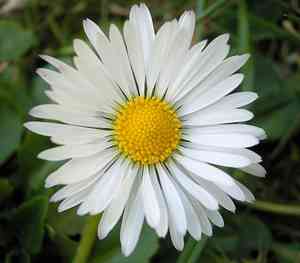
The optimal period for relocating lemonyellow false goldenaster is early spring, enabling root systems to develop prior to the warmth of summer. Select bright areas featuring soil that drains effectively. Hydrate comprehensively and contemplate applying mulch to preserve dampness and safeguard nascent roots.
What Preparations are Needed Before Transplanting Lemonyellow False Goldenaster?
What is the Ideal Time for Transplanting Lemonyellow False Goldenaster?
Lemonyellow false goldenaster, a perennial plant, flourishes when moved in early spring. This period offers mild temperatures and sufficient soil moisture, aiding root development and growth. Utilizing these conditions maximizes the plant's adaptability and vigorous progress, ensuring a healthier, more robust garden perennial.
How Much Space Should You Leave Between Lemonyellow False Goldenaster Plants?
Ensure your lemonyellow false goldenaster plants are spaced approximately 12-18 inches (30-45 cm) apart. This provides ample room for growth without resource competition, leading to healthy, abundant blooms!
What is the Best Soil Mix for Lemonyellow False Goldenaster Transplanting?
Prepare well-draining soil for your lemonyellow false goldenaster. A blend of sandy or loamy soil is most effective. Before transplanting, incorporate a balanced base fertilizer to supply essential growth nutrients. This establishes conditions for strong, vibrant plants.
Where Should You Relocate Your Lemonyellow False Goldenaster?
Select a sunny location for your lemonyellow false goldenaster. They thrive in full sun, requiring at least 6 hours of direct sunlight daily. A bright spot will encourage optimal growth and flowering.
What Equipments Should You Prepare Before Transplantation Lemonyellow False Goldenaster?
Gardening Gloves
To safeguard your hands when handling soil and plants.
Shovel or Spade
For excavating the new hole and extracting the plant from its original spot.
Trowel
Useful for precise digging around the plant's root system.
Watering Can
To hydrate the plant before and after its relocation.
Mulch
To maintain soil moisture and inhibit weed growth.
Wheelbarrow
For moving the plant if necessary.
Pruners
To trim any damaged roots or foliage.
Compost
To enrich the soil at the new planting site.
How Do You Remove Lemonyellow False Goldenaster from the Soil?
How Do You Remove Lemonyellow False Goldenaster from the Soil?
From Ground: First, moisten the soil around the lemonyellow false goldenaster plant. Then, use a shovel or spade to dig a wide trench around the plant, keeping the root ball intact. Carefully work the spade beneath the root ball to lift the plant from its initial position.From Pot: Water the lemonyellow false goldenaster plant thoroughly before transplanting to facilitate removal. Gently invert the pot while supporting the plant with your other hand, and tap the pot to release the root ball. Carefully separate the plant from the container.From Seedling Tray: Water the lemonyellow false goldenaster seedlings to ease their extraction. Use a trowel or your fingers to carefully lift each seedling from the tray, striving to keep as much of the root system intact as possible.
Step-by-Step Guide for Transplanting Lemonyellow False Goldenaster
Prepare New Site
Excavate a hole in the new location that is twice the width and equal to the depth of the lemonyellow false goldenaster plant's root ball.
Enrich Soil
Incorporate some compost into the base of the hole to foster healthy development.
Remove Plant
Carefully extract the lemonyellow false goldenaster from its original spot as per the relevant method (from ground, pot, or seedling tray).
Place Plant
Position the lemonyellow false goldenaster into the hole so that the top of its root ball is level with or slightly above the surrounding ground.
Backfill Soil
Refill the hole with the excavated soil, gently compacting it to eliminate air pockets.
Water Thoroughly
Water the plant generously to help settle the soil around its roots.
Add Mulch
Spread a layer of mulch around the base of the lemonyellow false goldenaster to aid in moisture retention and soil temperature regulation.
How Do You Care For Lemonyellow False Goldenaster After Transplanting?
Watering
Maintain consistent moisture in the soil around the lemonyellow false goldenaster, avoiding saturation, for the initial weeks post-transplant to encourage strong root growth.
Monitoring
Regularly inspect the lemonyellow false goldenaster plant for signs of distress, such as wilting or yellowing leaves, and adjust watering or mulching as needed.
Pruning
Remove any damaged leaves or stems to allow the plant to prioritize root establishment.
Weed Control
Keep the area surrounding the lemonyellow false goldenaster plant clear of weeds, which can compete for nutrients and water.
Troubleshooting Common Issues with Lemonyellow False Goldenaster Transplantation.
What is the best season to transplant lemonyellow false goldenaster?
Early spring is the prime period for relocating lemonyellow false goldenaster to ensure vigorous growth.
How much space should I leave between lemonyellow false goldenaster plants?
Space lemonyellow false goldenaster plants approximately 12-18 inches (30-45 cm) apart for optimal development and air circulation.
What soil type is best for transplanting lemonyellow false goldenaster?
Utilize well-drained soil with a pH ranging from neutral to slightly acidic for superior outcomes.
How deep should I plant lemonyellow false goldenaster when transplanting?
Plant lemonyellow false goldenaster at the same depth it was in its original container to minimize stress.
Should I water lemonyellow false goldenaster immediately after transplanting?
Yes, water lemonyellow false goldenaster thoroughly right after transplanting to help settle the soil and lessen shock.
What should I do if lemonyellow false goldenaster starts wilting post-transplant?
Provide consistent moisture and shield lemonyellow false goldenaster from intense sunlight to aid its recovery from transplant shock.
Can I transplant lemonyellow false goldenaster in fall?
While early spring is ideal, fall transplanting is possible if necessary, ensuring ample hydration.
Is it okay to fertilize lemonyellow false goldenaster when transplanting?
Avoid immediate fertilization after transplanting lemonyellow false goldenaster; wait until new growth appears.
How can I avoid damaging roots when transplanting lemonyellow false goldenaster?
Gently ease lemonyellow false goldenaster from its container, carefully handling the root ball to prevent breakage.
Do I need mulch around lemonyellow false goldenaster after transplanting?
Applying mulch around lemonyellow false goldenaster can help retain moisture and suppress weeds, promoting growth.



