
Lemonyellow false goldenaster (Heterotheca camporum)
Also known as: Golden Aster, Camphorweed
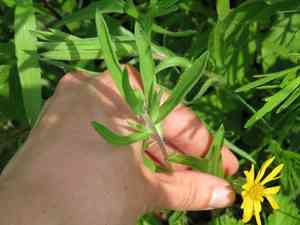
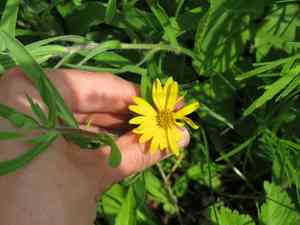
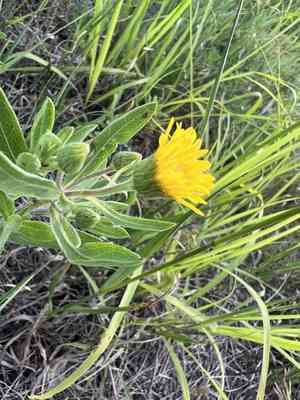
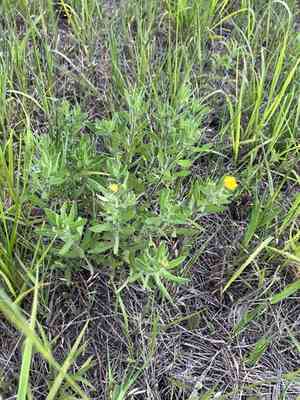
The lemonyellow false goldenaster (Heterotheca subaxillaris) is easily identified by its bright yellow, daisy-like blooms that attract numerous pollinators. It typically grows in open, sunny areas, favoring dry, sandy, or rocky soils. The plant features stiff, erect stems and narrow, gray-green leaves covered in fine hairs, giving them a slightly sticky texture. One distinctive characteristic is the flower's bracts, which display layered scales. This perennial often grows 1-3 feet tall, forming a bushy, resilient habit.
In This Article
Attributes of Lemonyellow false goldenaster
Lifespan
Perennial
Plant Type
Herb
Plant Height
30 cm to 91 cm
Spread
1 to 2 feet (30 to 60 cm)
Leaf Color
Green to grey-green
Flower Size
1 to 2 inches (2.5 to 5 cm)
Flower Color
Bright yellow
Images of Lemonyellow false goldenaster
Quickly Identify Lemonyellow false goldenaster
1
This plant can be identified by its bright yellow flowers with a central disc and the characteristic camphor-like scent of its foliage.
Scientific Classification of Lemonyellow false goldenaster
Phylum
Vascular plants
Class
Dicotyledons
Order
Asterales
Family
Daisy
Genus
Telegraph Weed
Species
Lemonyellow false goldenaster
Planting and Growing of Lemonyellow false goldenaster
Care Difficulty
Easy
Watering Schedule
Every 3 days
Sunlight Requirements
Full sun
Sunshine Duration
6-10 hours
Ideal Temperature
64-75℉
Soil Type
Potting Mix, Peat Mix
Soil pH
6.5-7.5
Fertilizer Type
Balanced
Pruning Season
Spring, Summer
Pruning Area
Branches, Leaves
Pruning Frequency
2 times a year
Repotting Season
Spring
Pot Type
Plastic, Ceramic
 How to Water Lemonyellow false goldenaster?
Heterotheca camporum prefers to have its soil evenly moist but not waterlogged. The general rule is to water until the top 1-2 inches of soil are moist, ensuring excess water drains from the bottom. This helps supply the roots with enough moisture without causing them to sit in standing water.
What are the symptoms of an underwatered Lemonyellow false goldenaster?
›
What should I do if my Lemonyellow false goldenaster is not getting enough water?
›
What are the symptoms of an overwatered Lemonyellow false goldenaster?
›
How to save an overwatered Lemonyellow false goldenaster?
›
 What Are the Sunlight Requirements for Lemonyellow false goldenaster?
Heterotheca camporum ideally requires full sun or partial sun, benefiting from 6 to 8 hours of daily sunlight. This ensures robust growth and vibrant blooms, enhancing overall plant vitality and aesthetic appeal.
What light conditions does Heterotheca camporum prefer?
›
How to achieve ideal lighting for Heterotheca camporum?
›
What are the benefits of ideal lighting for Heterotheca camporum?
›
 What Is the Ideal Temperature Range for Lemonyellow false goldenaster?
The ideal temperature range for Heterotheca camporum is between 64°F and 75°F. This range offers the optimal conditions for growth and development. Within these limits, the plant can perform essential physiological processes efficiently, such as photosynthesis and nutrient absorption.
 What Soil is Best for Lemonyellow false goldenaster?
Heterotheca camporum thrives in well-draining soils, as it helps prevent root rot and allows essential nutrients to reach the roots efficiently. Proper drainage ensures healthy growth and vibrant blooms. Loamy soils rich in minerals provide a nurturing environment for Heterotheca camporum, supporting strong stem growth and enhancing flower production. Nutrients like nitrogen and phosphorus are particularly beneficial. Although drought-tolerant, this plant prefers soil with consistent, moderate moisture to support continuous growth. Regular watering should avoid over-saturation to prevent root damage.
 How to Fertilize Lemonyellow false goldenaster?
Heterotheca camporum thrives with a balanced approach to fertilization. Use a water-soluble fertilizer diluted to half-strength every two weeks for liquid applications. For solid fertilizers, opt for a slow-release type applied three times a year, following the package instructions for dosage based on the plant size and pot volume.
 How to Prune Lemonyellow false goldenaster?
Begin by removing any dead or damaged stems. These can be identified by their lack of leaves, brittle texture, or discoloration. Cut them off at their base to allow the plant to channel its energy to healthier growth. Next, focus on shaping the plant. Trim back overgrown and misdirected stems to maintain a pleasing form. This helps in keeping a tidy appearance and encourages lateral growth, making the plant bushier and more compact. To ensure sunlight and air reach the innermost branches of Heterotheca camporum, thin out areas where the foliage is too dense. This not only enhances the plant's aesthetics but also aids in disease prevention.
More About Pruning Techniques→
 How to Propagate Lemonyellow false goldenaster plant?
1
To propagate by seeds, sow them in trays filled with pre-moistened seed starting mix. Cover lightly with soil, and keep in a warm, bright location. Keep the soil consistently moist but not waterlogged.
2
For cutting propagation, select a healthy, disease-free stem and cut a 4-6 inch segment with a clean angle cut just below a node. Remove the lower leaves before dipping the cut end in rooting hormone.
3
For division, carefully dig up the plant and gently pull apart the root ball into several sections. Ensure each section has a good number of roots and shoots. Replant each division promptly.
 How to Repot Lemonyellow false goldenaster plant?
1
Repot Heterotheca camporum when you observe roots emerging from the drainage holes or when the growth noticeably slows down. Another signal is the soil drying out faster than usual, indicating the plant has outgrown its current container.
2
Select a pot that is 1-2 inches wider in diameter than the current one, with drainage holes at the bottom. The larger pot allows for root expansion and reduces the frequency of repotting, ensuring long-term health without waterlogging issues.
3
Opt for a sandy, well-draining potting mix tailored for cacti or succulents. This type of soil prevents water retention, reducing the risk of root rot while providing adequate nutrients to support the plant’s native environment.
Learn More About Lemonyellow false goldenaster Diseases
Anthracnose
Bacterial Leaf Spot
Bacterial Wilt
Crown Gall
Cyst Nematode
Damping-off
Downy Mildew
Drought Stress
Fusarium Wilt
Gray Mold
Leaf Spot
Mosaic
Nutrient Deficiency
Nutrient Toxicity
Powdery Mildew
Root Rot
Root-knot Nematode
Rusts
Sooty Mold
Spider Mites
Temperature Stress
Thrips Damage
White Mold



