How to Transplant Toyon?
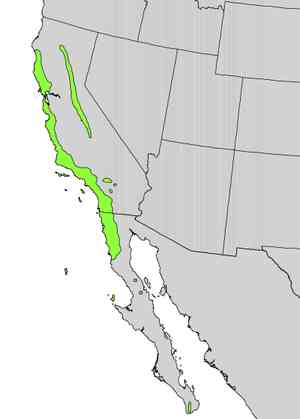
The arrival of mild temperatures, usually in early spring, presents the ideal period for transplanting toyon. Select bright areas featuring permeable ground. During the relocation of toyon, safeguarding the root system's wholeness is vital for successful integration.
Necessary Preparations Before Moving Toyon
Optimal Timing for Relocating Toyon?
For toyon, the start of the growth period, typically early spring, is ideal for transplanting. Choosing this time of rejuvenation allows roots sufficient opportunity to settle in the mild soil before summer's heat. Moving toyon during this window maximizes their survival rates, providing them a strong beginning in their new spot. This approach aligns well with natural growth cycles, ensuring a smooth transition that encourages robust development and blooming in subsequent seasons. Friendly advice: give your toyon this timely head start and observe their flourishing!
Required Spacing Between Toyon Plants?
When getting ready to move your toyon, remember to leave about 5-6 feet (1.5-1.8 meters) between each plant. This generous spacing will enable them to expand and thrive without competing for resources.
Best Soil Blend for Toyon Relocation?
For your toyon, well-draining soil is best. You can improve your garden soil by incorporating compost or organic material. Begin with a basic balanced fertilizer to give your plant a good start.
Where to Replant Your Toyon?
Select a spot that receives full sun to partial shade for your toyon. They are adaptable, but they do appreciate sunlight, so a location with at least a few hours of sun daily would be perfect.
Equipment to Prepare Before Transplanting Toyon
Gardening Gloves
To safeguard your hands while handling soil and toyon.
Shovel or Spade
To excavate the new site and extract the plant from its original spot.
Pruning Shears
To trim any compromised or diseased roots during the relocation process.
A Bucket or Wheelbarrow
To move the plant and prevent damage.
Watering Can or Hose
To hydrate the toyon before and after its transfer.
Mulch
To aid in retaining soil moisture post-transplant.
How to Extract Toyon from the Ground?
How to Extract Toyon from the Ground?
From Ground: Begin by moistening the toyon plant's soil. This facilitates digging and minimizes root damage. Next, excavate a wide trench around the toyon plant with a shovel, ensuring the plant's root ball remains intact. Once the trench is dug, carefully work the spade beneath the root ball and lift the plant from its location.From Pot: Remove the toyon plant from its container by gently tilting it while supporting the main stem. Invert the pot or hold it at an appropriate angle and lightly squeeze or tap it to loosen the root ball. As the root ball loosens, continue to pull the pot while holding the plant.From Seedling Tray: Carefully lift the toyon plant from the tray by pushing up from the bottom of each cell. Hold the plant by its leaves rather than the stem, as the stem can be easily damaged. Remember to handle the roots gently when removing it from the cell.
Step-by-Step Guide for Relocating Toyon
Preparation
Prepare the new planting site before extracting the toyon plant from its initial position. The hole should be twice the width of the toyon plant's root ball and of equal depth.
Transplant
Once the toyon is removed from its original spot, place it in the new hole, ensuring the top of the root ball is level with the surrounding soil surface. Backfill the hole with native soil, gently firming it down.
Watering
Thoroughly water the toyon plant after transplanting, making sure to saturate the root zone.
Mulching
Apply a layer of mulch around the toyon plant to help it retain moisture.
Post-Transplant Care for Toyon
Watering
Water the toyon plant deeply but infrequently, allowing the soil to dry slightly between waterings, as toyon prefers well-drained soil.
Pruning
Trim any dead or dying foliage to redirect energy towards root and new growth after its adjustment to the new location.
Monitoring
Observe the toyon for several weeks following transplantation. Check for signs of shock like drooping or wilting. If observed, reduce exposure to wind and sun for a period until it recovers.
Addressing Common Issues with Toyon Relocation.
When is the best time to transplant toyon?
The most favorable season for moving toyon is S1. It's the ideal period when plants recover quickly from transplant shock.
What's the suitable distance between each toyon during transplantation?
Ensure a gap of 5-6 feet (1.5-1.8 meters) between each toyon. This provides ample room for growth and prevents overcrowding.
Why are my transplanted toyon wilting?
Toyon might wilt due to transplant shock, a common issue when relocating plants. Mitigate by consistent watering and shade for a few days post-transplantation.
How much should I water toyon after transplantation?
Post-transplant, toyon requires regular watering. Ensure the soil remains moist but not waterlogged. Adjust based on the plant's leaf condition and ambient temperature.
How deep should I plant toyon during the transplant?
During transplant, dig a hole twice as wide and as deep as the rootball. This gives the plant ample space to establish.
Can I use fertilizer during toyon transplantation, and if so, which kind?
Yes, you can use a slow-releasing, balanced fertilizer. However, do not apply it directly on the roots; mix it with the back-fill soil to stimulate growth.
What should I do if my toyon shows no growth after transplantation?
Patience is crucial when transplanting toyon. If there's no growth, ensure it's well-watered and receives necessary nutrients. Growth will occur in due course.
How to handle toyon roots during transplantation?
Carefully loosen the rootball of toyon to encourage new growth. However, avoid causing excessive disturbance to the roots to prevent damage.
Why are the leaves of toyon yellowing after transplantation?
Yellowing might indicate overwatering or stress from transplantation. Reduce watering and ensure proper drainage. Keep toyon in a partially shaded area until it recovers.
Should I prune toyon before transplantation?
No need for extensive pruning, just remove dead, damaged, or disease-infested portions. This helps focus growth and reduces transplant shock.



