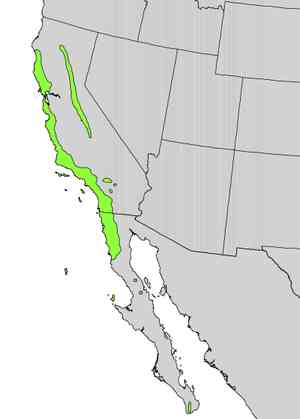
Toyon(Heteromeles arbutifolia)

Toyon (Heteromeles arbutifolia)

Also known as: Toyon, Christmas berry, California holly

Toyon berries, also known as Christmas berries, offer a range of culinary uses, especially when cooked to reduce their bitterness. Here are a few popular ways to use them:

1. **Jams and Jellies**: Cooking the berries with sugar makes delicious jams and jellies.
2. **Sauces**: They can be transformed into sauces that pair well with meats or desserts.
3. **Baked Goods**: Fresh or dried berries can be added to breads, muffins, and cakes.
4. **Teas**: Dried toyon berries can be steeped to create herbal teas.
5. **Wines and Liqueurs**: Fermented berries are used to make homemade wines and liqueurs.

Historically, these berries have been a significant food source for Native American tribes. Always ensure they are ripe and properly prepared to avoid any potential toxicity.

Attributes of Toyon

Lifespan
Perennial
Plant Type
Shrub
Plant Height
8 m
Spread
3 m
Leaf Color
Green Blue
Flower Size
6 mm to 1 cm
Flower Color
White Yellow

ForwardPlant - Identify plants with a snap

Identify and diagnose plants, get toxicity alerts, and explore safety guides for all types of fungi.

Try for Free

Images of Toyon

Toyon(Heteromeles arbutifolia)

Quickly Identify Toyon

1
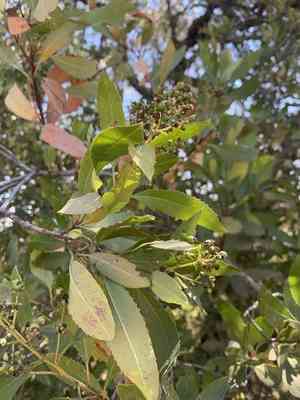
Leathery oblong leaves with serrated margins, 2-4 inches (5-10 cm) long.
2
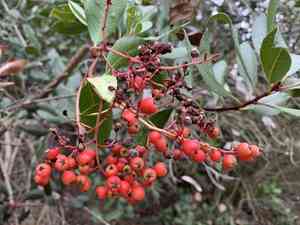
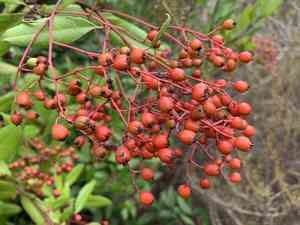
Clusters of small, white, mildly fragrant flowers followed by bright red, pea-sized berries.
3
Gray bark that can be either smooth or fissured as the plant ages.
4
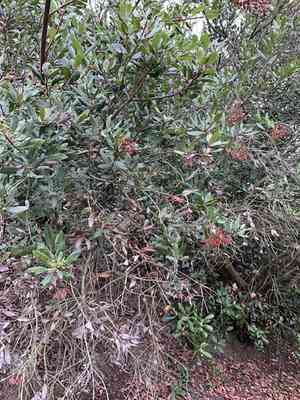
Evergreen shrub reaching up to 10 feet (3 meters) in height and 8 feet (2.4 meters) in width.
5
Thrives in full sun to partial shade environments, with drought tolerance after establishment.

Scientific Classification of Toyon

Phylum
Vascular plants
Class
Dicotyledons
Order
Rosales
Family
Rose
Genus
Toyon
Species
Toyon

Planting and Growing of Toyon

Care Difficulty
Easy
Watering Schedule
Every 2 days
Sunlight Requirements
Full sun
Sunshine Duration
6-8 hours
Ideal Temperature
50-75℉
Soil Type
Potting Mix, Peat Mix
Soil pH
6.5-7.5
Fertilizer Type
Balanced
Pruning Season
Spring, Summer
Pruning Area
Branches, Leaves
Pruning Frequency
2 times a year
Repotting Season
Spring
Pot Type
Plastic, Ceramic

water icon How to Water Toyon?

Heteromeles arbutifolia, also known as Toyon or California Holly, thrives with a moderate watering routine. Aim to provide approximately 200 milliliters of water per session. The key is to ensure the soil is evenly moist but not waterlogged, maintaining a balance that mimics its natural habitat conditions.
What are the symptoms of an underwatered Toyon?
What should I do if my Toyon is not getting enough water?
What are the symptoms of an overwatered Toyon?
How to save an overwatered Toyon?

sunlight icon What Are the Sunlight Requirements for Toyon?

Sunlight Requirements: Full sun, Partial sun
Duration of light: 6-8 hours
Heteromeles arbutifolia ideally requires full sun to partial sun conditions. Consistent exposure to these light levels helps maintain healthy growth and vigorous blooming, turning it into a resilient, thriving part of your landscape.
How much sunlight is ideal?
What are some solutions for ideal lighting?
What are the benefits of ideal lighting?
More About Sunlight Requirements Techniques

temperature icon What Is the Ideal Temperature Range for Toyon?

Ideal Temperature: 50 ~ 75℉
The ideal temperature range for Heteromeles arbutifolia, commonly known as Toyon, is between 50°F and 75°F. This range supports optimal growth and development by matching the plant's native California climates, allowing it to thrive without thermal stress.

soil icon What Soil is Best for Toyon?

Soil type: Loam, Sandy loam
Soil PH: 6.5 ~ 7.5
Heteromeles arbutifolia thrives in well-drained soils which prevent waterlogging, a situation that could lead to root rot. Such soils help the plant maintain healthy root systems and support vibrant growth. This plant favors mildly fertile soils that allow it to access essential nutrients without encouraging excessive foliage growth, which could compromise its overall structure and stability. While well-drained, the soil should retain enough moisture to sustain the plant through dry spells, ensuring that the leaves remain lush and the plant continues to flower even in seasonal droughts.

fertilize icon How to Fertilize Toyon?

Fertilizer type: Balanced
When fertilizing Heteromeles arbutifolia, use a balanced fertilizer. For liquid fertilizers, a diluted solution, such as a quarter-strength 20-20-20 formula, is recommended. Apply about 250 ml per plant around the root zone to avoid nutrient burn.

prune icon How to Prune Toyon?

Pruning Time: Spring, Summer, Autumn
Start by removing any dead or diseased branches to maintain plant health. Trim for shape by cutting back overlong branches just above a leaf node or outward-facing bud, which will encourage outward growth. Prune back lightly during the growing season to encourage denser foliage. Focus on areas where growth is vigorous but sparse, cutting just above a leaf joint to stimulate more branching.

propagate icon How to Propagate Toyon plant?

Propagate Time: Early spring, Spring, Late spring
1
For seed propagation, soak the seeds in warm water for 24 hours. This helps soften the seed coat and encourages faster germination once planted.
2
Using pruning shears, take healthy cuttings from the parent plant in the early spring. Ensure each cutting is about 4-6 inches long and has at least a couple of leaves.
3
For layering propagation, select a low branch and gently wound it. Place it in contact with soil, holding it down with a bent piece of wire and cover it lightly with soil.
More About Propagating Techniques

repot icon How to Repot Toyon plant?

Repotting frequency: Every 2-3 years
1
Look for signs like roots protruding from the drainage holes, slower growth, or wilting despite regular watering. These indicators suggest it’s time to repot, ensuring the plant has room to grow and access to fresh soil.
2
Select a pot that is 2 inches larger in diameter than the current one. Opt for a container with drainage holes to prevent root rot. Terracotta pots can be beneficial as they allow air movement, keeping the roots healthy.
3
Use a mix that retains some moisture yet drains well. A sandy loam is ideal, as it encourages proper drainage and aeration, providing a perfect balance for the roots to breathe and absorb nutrients efficiently.

ForwardPlant - Identify plants with a snap

Find the best spots for them to optimize their health, simply using your phone.

Try for Free

Toxicity of Toyon

Is Toyon toxic to cat?

Toyon presents a moderate threat to the health of felines. Cats are chiefly at risk when they consume the toxic berries of toyon. After ingestion, affected cats may demonstrate symptoms of physical distress or illness, which should be promptly attended to. Pet owners need to remain alert in restricting their cats' access to the fruits of toyon, as this could result in poisoning. If there is any suspicion that a cat has ingested any part of the toyon plant, it is imperative to seek immediate veterinary assistance to alleviate potential health risks. Prompt medical intervention is vital for the affected cat's well-being.

Is Toyon toxic to dog?

Toyon presents a moderate risk of toxicity to dogs, particularly when its berries are consumed. Ingesting the fruit can result in poisoning, leading to a range of symptoms that suggest toxic exposure. Owners of dogs should remain alert to indications such as digestive distress, vomiting, diarrhea, or more serious symptoms that may signify systemic issues. If a dog has ingested any portion of toyon, especially its berries, it is crucial to obtain prompt veterinary assistance to secure the most favorable outcome for the affected pet.

Identify toxic plants for your safety

Learn which plants are harmful to you and your pets, and make informed choices for a safer home!

Try for Free
WARNING
The judgment on toxicity and danger is for reference only. We DO NOT GUARANTEE any accuracy of such judgment. Therefore, you SHALL NOT rely on such judgment. It is IMPORTANT TO SEEK PROFESSIONAL ADVICE in advance when necessary.
More About Toxic Techniques