How to Transplant Western nettle?
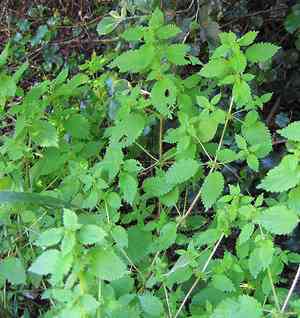
The perfect period for relocating western nettle is as spring transitions into the gentle warmth of early summer, offering prime conditions for development. To ensure success, select a bright spot with soil that drains effectively. Prioritize robust roots, so manage the plant delicately to lessen shock.
What Preparations are Needed Before Transplanting Western Nettle?
What is the Ideal Time for Transplanting Western Nettle?
Move western nettle from late spring to early summer. This period allows western nettle to establish its root system before intense heat arrives. Relocating western nettle as temperatures rise encourages robust growth and resilience, benefiting from moist soil and mild weather. Additionally, it provides western nettle an excellent start to complete its life cycle vigorously during the growing season. Shorter, cooler nights combined with extended daylight assist western nettle in adapting smoothly to its new spot!
How Much Space Should You Leave Between Western Nettle Plants?
When getting ready to transplant western nettle, aim for a distance of 4-6 inches (10-15 cm) between each plant. This will provide your western nettle ample room to grow and thrive without becoming too crowded.
What is the Best Soil Mix for Western Nettle Transplanting?
Your western nettle will flourish in soil that drains well and is rich in organic material. Before transplanting, incorporate a balanced, slow-release fertilizer to give your western nettle an excellent start. A combination of compost and potting soil would create an ideal bed for your western nettle.
Where Should You Relocate Your Western Nettle?
Select a sunny location for your western nettle as they prefer ample light. A spot that receives full to partial sunlight will keep your western nettle content and thriving. Ensure this area is shielded from strong winds for the delicate western nettle.
What Equipments Should You Prepare Before Transplantation Western Nettle?
Gardening Gloves
To safeguard your hands while handling soil and plants.
Shovel or Spade
For digging holes and lifting the plant.
Garden Trowel
Useful for excavating smaller holes and refining planting areas.
Watering Can or Hose
For hydrating the western nettle before and after its relocation.
Pruning Shears
To trim any damaged roots or foliage prior to transplanting.
Measuring Tape
To ensure correct spacing between transplanted western nettle plants.
How Do You Remove Western Nettle from the Soil?
How Do You Remove Western Nettle from the Soil?
From Pot: Start by watering the western nettle to dampen the soil, facilitating easier removal. Gently invert the pot and tap its sides to loosen the plant. Hold the base of the western nettle and carefully extract it, supporting the root ball with your other hand.From Seedling Tray: First, water the western nettle seedlings. Use a garden trowel or a spoon to carefully lift individual plants by scooping beneath the root ball, taking care not to harm the roots.From Ground: Initially, water the western nettle plant to soften the earth. Dig a wide circle around the plant, then insert the shovel blade deep into the soil to cut beneath the root ball. Gently pry the western nettle up, keeping the root ball intact.
Step-by-Step Guide for Transplanting Western Nettle
Transplanting Time
Choose a cool, overcast day for relocating the western nettle to minimize stress on the plant.
Digging the Hole
Prepare a hole twice as wide as the western nettle's root ball but no deeper, allowing roots to spread easily.
Placing the Plant
Position the western nettle in the center of the hole at the same depth it was previously growing. Spread its roots outwards.
Filling the Hole
Partially backfill the hole with soil and water it to settle the soil around the roots, then finish filling the hole.
Soil compaction
Gently press the soil around the western nettle to remove air pockets. Avoid compacting the soil too firmly to allow for easy root growth.
How Do You Care For Western Nettle After Transplanting?
Initial Watering
Provide ample water immediately after transplanting to help western nettle recover and establish in its new spot.
Mulching
Apply a layer of mulch around the base of western nettle to retain moisture and stabilize soil temperature.
Supports
If needed, use stakes or cages to offer support for western nettle as it develops.
Monitoring Growth
Observe the western nettle for signs of shock, such as wilting or leaf drop, and address them with appropriate care.
Troubleshooting Common Issues with Western Nettle Transplantation.
Why is my western nettle wilting after transplanting?
Wilting can be caused by shock or insufficient hydration. Gradually adapt western nettle to outdoor conditions and ensure consistent soil moisture without over-saturating the roots.
What's the best time to transplant western nettle?
The optimal period for transplanting western nettle is from late spring to early summer, when the weather is mild.
How deep should I plant western nettle when transplanting?
Plant western nettle at the same depth it was in its original container to prevent burying the stem too deeply.
Can I transplant western nettle on a hot day?
It's preferable to transplant western nettle on a cooler, cloudy day to lessen transplant stress and prevent rapid moisture loss.
How do I know if western nettle has transplant shock?
Indicators include drooping or yellowing leaves. Minimize shock by planting western nettle quickly and providing shade and sufficient water for the initial few weeks.
Why are the leaves of western nettle turning yellow post-transplant?
Yellowing leaves can signal overwatering, underwatering, or root damage. Evaluate soil conditions and root health, adjusting care as needed.
What's the ideal spacing for western nettle when transplanting?
Space western nettle approximately 4-6 inches (10-15 cm) apart. This allows each plant room to thrive while maintaining a full appearance.
How much should I water western nettle after transplanting?
Water thoroughly immediately after transplanting, then keep the soil consistently moist but not waterlogged during the first few weeks of establishment.
Should I fertilize western nettle after transplanting?
Wait several weeks before applying a balanced fertilizer so western nettle can establish roots in the new location without causing burn.
Is it necessary to prune western nettle after transplanting?
Pruning is not immediately required after transplanting, but you can remove any damaged leaves to help direct energy towards root development.



