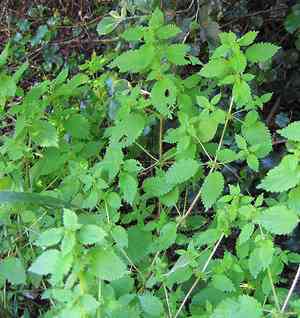
Western nettle (Hesperocnide tenella)
Also known as: Western Nettle
Western nettle (Hesperocnide tenella) is an annual herb native to the west coast of North America. It thrives in moist, shaded areas such as forest understories, grasslands, and alongside streams. This plant is known for its typical nettle-like serrated leaves. Its native range stretches from southern Oregon through California and into Baja California.
In This Article
Attributes of Western nettle
Lifespan
Annual
Plant Type
Herb
Plant Height
30 cm to 61 cm
Spread
N/A
Leaf Color
Green
Flower Size
1.3 mm
Flower Color
White
Images of Western nettle
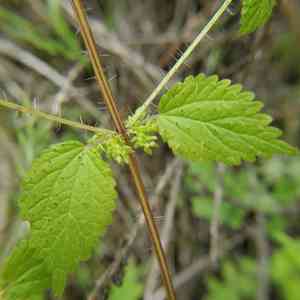
Quickly Identify Western nettle
1
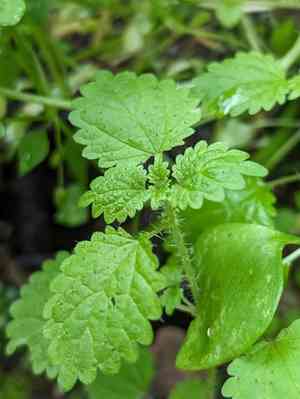
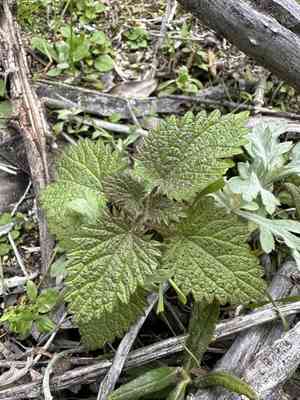
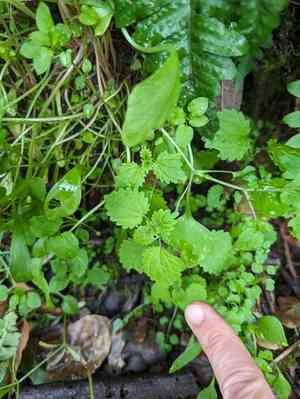
This plant can be identified by its stinging hairs, serrate leaves, and small clusters of greenish flowers.
Scientific Classification of Western nettle
Phylum
Vascular plants
Class
Dicotyledons
Order
Rosales
Family
Nettle
Genus
Hesperocnide
Species
Western nettle
Planting and Growing of Western nettle
Care Difficulty
Easy
Watering Schedule
Every 2 days
Sunlight Requirements
Partial sun
Sunshine Duration
4-8 hours
Ideal Temperature
60-75℉
Soil Type
Potting Mix, Peat Mix
Soil pH
6.5-7.5
Fertilizer Type
Balanced
Pruning Season
Spring, Summer
Pruning Area
Branches, Leaves
Pruning Frequency
2 times a year
Repotting Season
Spring
Pot Type
Plastic, Terracotta
 How to Water Western nettle?
Hesperocnide tenella prefers a moderated watering approach. Water it until the soil is moist but not drenched, meaning about 200ml each time is ideal. This will ensure the soil remains sufficiently moist without waterlogging, which can harm the roots.
What are the symptoms of an underwatered Western nettle?
›
What should I do if my Western nettle is not getting enough water?
›
What are the symptoms of an overwatered Western nettle?
›
How to save an overwatered Western nettle?
›
 What Are the Sunlight Requirements for Western nettle?
Hesperocnide tenella prefers partial sun to full shade, thriving best with dappled sunlight equivalent to a woodland environment. This balance prevents leaf burn and allows optimal growth and foliage health.
What is the ideal light intensity?
›
How to achieve ideal lighting conditions?
›
What are the benefits of ideal lighting?
›
 What Is the Ideal Temperature Range for Western nettle?
The ideal temperature range for Hesperocnide tenella is between 60°F and 75°F. This range provides an environment conducive to optimal growth and development. At these temperatures, the metabolic processes of the plant function efficiently, facilitating healthy foliage, root growth, and flower production. It is important to maintain this range consistently to ensure the plant remains robust and thrives.
 What Soil is Best for Western nettle?
Hesperocnide tenella thrives in well-drained soil, which prevents waterlogging and promotes healthy root growth. This feature ensures the plant establishes quickly and reduces the risk of root rot. Rich in organic matter, the soil provides essential nutrients necessary for vigorous growth. A substrate rich in compost or well-decomposed matter boosts both the growth rate and resilience against pests. Soil with moderate moisture retention ensures that the plant receives adequate water without excess, supporting consistent hydration and aiding in nutrient absorption.
 How to Fertilize Western nettle?
Hesperocnide tenella benefits from a balanced approach to fertilization. Liquid fertilizers should be diluted to half strength before use; typically, 10-20 ml per liter of water is adequate for this plant, ensuring they receive an evenly distributed supply of nutrients without overwhelming the roots.
 How to Prune Western nettle?
Start by identifying any dead or damaged stems. These parts should be cut back to the base to prevent rot and disease. Additionally, look for overcrowded areas where stems overlap or appear cluttered. Thinning these areas will improve air circulation and sunlight penetration. For a neat appearance, trim any overgrown sections by cutting above a leaf node to encourage new growth. It's important to cut at a slight angle, pointing away from the bud or leaf joint, to promote natural water runoff and prevent decay. To maintain the plant's natural shape, prune selectively to enhance its form. Focus on preserving the plant's overall shape while ensuring that no single branch dominates. This balanced approach allows the plant to develop a fuller, more aesthetically pleasing appearance.
More About Pruning Techniques→
 How to Propagate Western nettle plant?
1
Collect seeds from mature plants when they are ripe. Clean and dry the seeds to prevent mold formation during storage. Soak seeds in water for several hours before planting to enhance germination rates.
2
Select a healthy mother plant with strong stems. Using sterilized pruning shears, cut 4-6 inch sections from non-flowering stems. Remove leaves from the lower half of the cutting to reduce water loss.
3
Sow the seeds thinly over a seed compost mixture in the tray, or plant the cuttings in a mix of soil and perlite to ensure proper aeration and drainage. Firm the soil gently around the seeds or base of cuttings.
 How to Repot Western nettle plant?
1
Repot Hesperocnide tenella when you observe roots growing out of the drainage holes or when it shows signs of being root-bound. Other indicators include stunted growth and decreased water absorption. Spring is the ideal season for repotting as it aligns with the plant's active growth phase, helping it adjust more swiftly to the new pot.
2
Select a pot slightly larger than the current one, preferably with drainage holes to prevent waterlogging. Clay pots are excellent as they allow excess moisture to evaporate and support better air circulation to the roots, reducing the risk of root rot. A well-chosen pot ensures your plant can grow healthily and robustly.
3
Opt for a well-draining cactus mix that mimics this plant's natural rocky habitats. A suitable mixture contains materials like perlite or pumice to ensure excellent drainage. This type of soil minimizes the risk of root rot and provides an ideal environment for the roots to breathe and grow vigorously.
Toxicity
contact with skin or ingestion
WARNING
The judgment on toxicity and danger is for reference only. We DO NOT GUARANTEE any accuracy of such judgment. Therefore, you SHALL NOT rely on such judgment. It is IMPORTANT TO SEEK PROFESSIONAL ADVICE in advance when necessary.
Learn More About Western nettle Diseases
Anthracnose
Bacterial Leaf Spot
Bacterial Wilt
Chemical Injury
Damping-off
Downy Mildew
Drought Stress
Fusarium Wilt
Gray Mold
Leaf Curl
Leaf Spot
Mosaic
Nutrient Deficiency
Nutrient Toxicity
Powdery Mildew
Root Rot
Root-knot Nematode
Rusts
Sooty Mold
Spider Mites
Temperature Stress
Thrips Damage
White Mold



