How to Transplant Haworthiopsis attenuata?
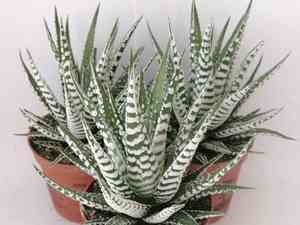
Haworthia fasciata flourishes when repotted during temperate periods, specifically from early spring through its peak, or as autumn transitions into the dormancy of winter. Select a site offering filtered light and a substrate that drains efficiently to foster robust development.
What Preparations are Needed Before Transplanting Zebra Haworthia?
What is the Ideal Time for Transplanting Zebra Haworthia?
Zebra Haworthia, a perennial, is best moved from early to late spring or late fall to late winter. These periods offer mild temperatures and stable conditions, reducing stress and aiding root establishment. Transplanting during these times ensures vigorous growth, stronger root systems, and better adaptation to new environments.
How Much Space Should You Leave Between Zebra Haworthia Plants?
Zebra Haworthia requires a comfortable spacing of approximately 6-12 inches (15-30 cm) between each plant. This allows for ample root expansion and promotes good air circulation.
What is the Best Soil Mix for Zebra Haworthia Transplanting?
Zebra Haworthia thrives in well-draining, sandy or gravelly soil. Incorporate a foundational fertilizer such as a balanced, low-nitrogen blend (e.g., 10-20-20). This provides essential nutrients without encouraging excessive foliage growth.
Where Should You Relocate Your Zebra Haworthia?
Zebra Haworthia flourishes in bright, indirect sunlight. A location that receives morning sun and afternoon shade is perfect. Avoid excessive direct sunlight to prevent leaf burn.
What Equipments Should You Prepare Before Transplantation Zebra Haworthia?
Gardening Gloves
To safeguard your hands while handling soil and the plant.
Hand Trowel
For digging around the plant and loosening the earth.
Garden Spade or Shovel
To excavate the new planting hole and extract the plant from its original spot.
Watering Can or Hose
To hydrate the zebra Haworthia before and after its relocation.
Pruning Shears
To trim any damaged roots or leaves.
Bucket
To temporarily hold the zebra Haworthia if necessary.
How Do You Remove Zebra Haworthia from the Soil?
How Do You Remove Zebra Haworthia from the Soil?
From Ground: First, moisten the zebra Haworthia plant to soften the soil. Then, dig a wide trench around the plant using a shovel or spade, ensuring the plant's root ball remains intact. Carefully work the spade beneath the root ball to lift the plant from its original location.From Pot: Begin by watering the zebra Haworthia plant to loosen the soil. Gently tilt the pot to one side and tap the bottom to release the plant. If it's stuck, run a knife along the inner edge of the pot. Carefully slide the plant out, keeping the root ball intact.From Seedling Tray: Water the zebra Haworthia plant lightly. Use a finger or a small tool to gently loosen the soil around the seedlings. Carefully lift the seedling, making sure to support the roots and soil clump to avoid damage.
Step-by-Step Guide for Transplanting Zebra Haworthia
Choosing the Right Time
Relocate the zebra Haworthia plant in the early morning or late afternoon to avoid the intense midday sun.
Preparing the New Location
Dig a hole twice as wide and just as deep as the root ball of the zebra Haworthia. Ensure the hole has well-draining soil.
Soil Preparation
If necessary, enhance soil structure with organic compost or sand for improved drainage.
Removing the Plant
Carefully follow the steps under the respective category from earlier provided guidelines (Ground, Pot, or Seedling Tray).
Placing the Plant
Position the zebra Haworthia in the center of the hole and backfill with soil, ensuring the plant sits at the same level as it was in its original location.
Watering
Water the zebra Haworthia thoroughly once transplanted to settle the soil around the roots.
Mulching (Optional)
Apply a layer of mulch around the base of the zebra Haworthia to retain moisture and suppress weeds.
How Do You Care For Zebra Haworthia After Transplanting?
Watering
Keep the soil around the zebra Haworthia consistently moist, but not waterlogged, for the first few weeks after transplanting to help establish strong roots.
Monitoring
Regularly check for any signs of transplant shock, such as wilting or yellowing leaves, and adjust care accordingly.
Pruning
Trim any damaged leaves to encourage new growth.
Protection
Shield the zebra Haworthia from extreme weather conditions like frost or excessive heat during the initial establishment period.
Troubleshooting Common Issues with Zebra Haworthia Transplantation.
When is the best time to transplant zebra Haworthia?
The ideal seasons are early to late spring and late fall to late winter.
What should be the spacing for transplanting zebra Haworthia?
Space the plants 6-12 inches (15-30 cm) apart to ensure healthy growth.
How do I prepare the soil for transplanting zebra Haworthia?
Use well-draining soil, enriched with some organic matter for best results.
How deep should I plant zebra Haworthia?
Plant at the same depth it was previously growing to avoid root stress.
What type of pot is best for zebra Haworthia?
Use a container with drainage holes to prevent waterlogging, which can harm the roots.
Do I need to water zebra Haworthia immediately after transplanting?
Yes, water immediately to settle the soil and reduce transplant shock.
How do I minimize transplant shock for zebra Haworthia?
Transplant during early morning or late afternoon and keep it shaded for a few days.
Should I fertilize zebra Haworthia after transplanting?
Wait a few weeks post-transplant before applying a balanced, diluted fertilizer.
Can I transplant zebra Haworthia if it's flowering?
It's best to avoid transplanting during flowering; wait until the blooming period is over.
What precautions should I take with zebra Haworthia's roots?
Be gentle with the roots, avoid cutting or damaging them during the move.



