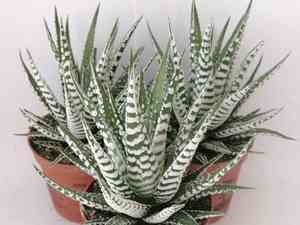
Haworthiopsis attenuata (Haworthiopsis attenuata)
Also known as: Zebra Haworthia, Zebra Cactus
Haworthiopsis attenuata, previously identified as Haworthia attenuata, and often referred to as zebra haworthia, is a tiny succulent species native to the Eastern Cape Province of South Africa. This plant, especially admired for its ornamental value, is among the most frequently grown species within its genus, Haworthiopsis.
In This Article
Attributes of Haworthiopsis attenuata
Lifespan
Haworthiopsis attenuata, also known as zebra cactus, is a perennial plant.
Plant Height
6 inches
Spread
5 inches
Leaf Color
Green with white tubercles
Flower Size
N/A
Flower Color
N/A
Images of Haworthiopsis attenuata
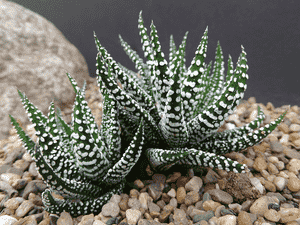
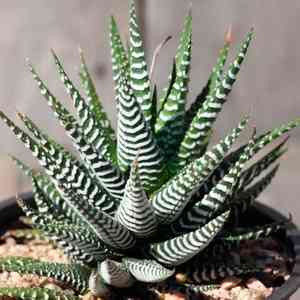
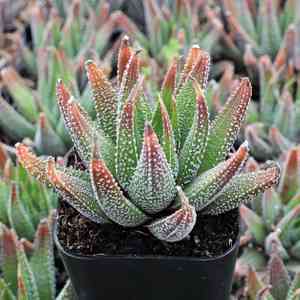
Quickly Identify Haworthiopsis attenuata
1
Look for thick, dark green leaves with transverse white tubercles and non-fibrous roots. It is often confused with Haworthiopsis fasciata which has smoother undersides of the leaves.
Scientific Classification of Haworthiopsis attenuata
Phylum
Angiosperms
Class
Monocots
Order
Asparagales
Family
Asphodelaceae
Genus
Haworthiopsis
Species
H. attenuata
Planting and Growing of Haworthiopsis attenuata
Care Difficulty
Easy
Watering Schedule
Every 2 days
Sunlight Requirements
Partial sun
Sunshine Duration
6-10 hours
Ideal Temperature
65-75℉
Soil Type
Potting Mix, Peat Mix
Soil pH
6.5-7.5
Fertilizer Type
Balanced
Pruning Season
Spring, Summer
Pruning Area
Branches, Leaves
Pruning Frequency
2 times a year
Repotting Season
Spring
Pot Type
Plastic, Ceramic
 How to Water Haworthiopsis attenuata?
For Haworthiopsis attenuata, it's recommended to water with approximately 100ml of water per session. The principle is to ensure the soil is thoroughly moistened but not waterlogged. A gentle soak that allows water to drain through the soil is ideal for this succulent.
What are the symptoms of an underwatered Haworthiopsis attenuata?
›
What should I do if my Haworthiopsis attenuata is not getting enough water?
›
What are the symptoms of an overwatered Haworthiopsis attenuata?
›
How to save an overwatered Haworthiopsis attenuata?
›
 What Are the Sunlight Requirements for Haworthiopsis attenuata?
Partial to full sun exposure is ideal, promoting vibrant leaf coloration and robust growth. Providing the right amount of sunlight stimulates healthy metabolic processes critical to the plant’s vitality.
Ideal Light Duration
›
Finding the Right Spot
›
Avoiding Extreme Conditions
›
 What Is the Ideal Temperature Range for Haworthiopsis attenuata?
For Haworthiopsis attenuata, the ideal temperature range for growth is between 65°F and 75°F. This range supports optimal metabolic processes, ensuring the plant maintains healthy growth patterns and vibrant foliage. Within this temperature range, the plant can efficiently photosynthesize and maintain its water balance, contributing to its overall vitality.
 What Soil is Best for Haworthiopsis attenuata?
Haworthiopsis attenuata requires well-draining soil to prevent waterlogging, which can lead to root rot. Selecting sandy or sandy loam soils ensures that excess water drains quickly, keeping the roots healthy and promoting vigorous growth. While this succulent thrives in sandy conditions, it still benefits from a nutrient-rich medium. Incorporating organic matter like compost can improve soil fertility, providing essential nutrients for healthy leaf development and increased resilience against pests. A soil pH between 6.5 and 7.5 is ideal for Haworthiopsis attenuata, as it allows efficient nutrient uptake. Maintaining this pH balance can prevent nutrient deficiencies, aiding in the plant's overall health and vigor.
 How to Fertilize Haworthiopsis attenuata?
For Haworthiopsis attenuata, the amount of fertilizer should be moderate. Use a half-strength liquid fertilizer to avoid overfeeding, ensuring that you do not burn the roots. When using solid fertilizers, only a few granules per pot should suffice, preferably slow-release types that dissolve gradually over several months.
 How to Prune Haworthiopsis attenuata?
Carefully remove any dead or dying leaves, which often appear dry or brown, to enhance the plant's aesthetic and health. Once the flowering period is over, trim the flower spikes to encourage the plant to focus energy on growth.
 How to Propagate Haworthiopsis attenuata plant?
1
Select healthy leaves or offsets from the mother plant for propagation. Using a sterilized knife or scissors, gently remove the cutting from the base of the plant. Allow the cutting to callous over for a couple of days to prevent rot before planting.
2
Prepare a pot with well-draining soil, such as a cactus or succulent mix. Once the cuttings have calloused, place them in the soil, ensuring they are upright and stable. Do not water immediately after planting to prevent rot.
3
Place the new cuttings in a bright location with indirect sunlight. Avoid direct sunlight initially as it can stress the new cuttings. Gradually acclimate them to more light once they have established roots.
 How to Repot Haworthiopsis attenuata plant?
1
Repot Haworthiopsis attenuata when its roots outgrow the current pot, or when the plant shows signs of soil compaction. Additionally, repot if it appears unhealthy even when other care needs are met. The best time to perform this is during its active growing seasons to minimize stress and promote recovery.
2
Select a pot slightly larger than the current one, ensuring it has sufficient drainage holes. The material, whether clay or ceramic, helps with moisture control. A pot that’s too large can retain excess water, while one that's too small might stifle growth. Well-thought-out pot selection helps maintain ideal moisture levels, promoting healthier growth.
3
Choose a well-draining cactus or succulent soil mix to prevent root rot and ensure adequate airflow. A good mix might contain materials like sand, perlite, or pumice. This mix helps mimic the plant's natural habitat, allowing for healthy root development and reducing the chances of overwatering.



