How to Transplant Prickly applecactus?
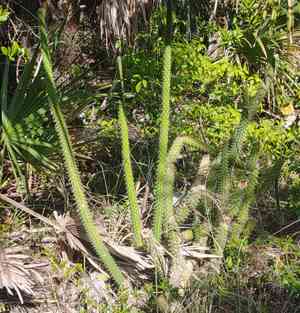
Prickly applecactus flourishes when relocated from mid-spring through the end of summer. Choose a bright, adequately draining spot offering sufficient room. It is crucial to carefully manage the root system to guarantee a successful transfer, thereby reducing the plant's shock.
Necessary Preparations Before Relocating Prickly Applecactus?
Optimal Period for Relocating Prickly Applecactus?
The best time for moving prickly applecactus is from the end of spring to the end of summer. During this period, warmer ground temperatures and extended daylight hours encourage strong root development and vigorous growth. Relocating prickly applecactus in this season allows the perennial to adapt and flourish, ensuring greater resilience and productivity.
Required Spacing Between Prickly Applecactus Plants?
For your prickly applecactus, ensure each plant is positioned 3-5 feet (0.9-1.5 meters) apart. This provides ample room for development and prevents overcrowding.
Ideal Soil Mixture for Prickly Applecactus Relocation?
When relocating prickly applecactus, select soil that drains effectively. Incorporate a phosphorus-rich base fertilizer to stimulate root growth. A blend of cactus soil and organic compost yields excellent results.
Optimal Location for Your Prickly Applecactus?
Position your prickly applecactus in a bright area where it will receive full sunlight for at least 6-8 hours daily. It thrives with abundant light, so choose the sunniest spot available!
Equipment Needed Before Transplanting Prickly Applecactus?
Gardening Gloves
To safeguard your hands while handling soil and the plant.
Shovel or Spade
For excavating around and lifting the plant from its initial spot.
Trowel
For precise digging and planting tasks.
Wheelbarrow
To move the prickly applecactus without causing harm.
Pruning Shears
To trim any damaged or excess roots or stems.
Watering Can
To maintain soil moisture during and after the relocation.
Stakes and Ties
To offer support for the prickly applecactus if it is tall or top-heavy.
Method for Extracting Prickly Applecactus from the Ground?
Method for Extracting Prickly Applecactus from the Ground?
From Ground: First, hydrate the prickly applecactus to moisten the soil. Next, dig a wide trench around the plant using a shovel or spade, ensuring the plantâs root ball remains intact. Carefully work the spade beneath the root ball to lift the plant from its original position.From Pot: Water the prickly applecactus thoroughly before beginning. Tap the pot's sides to loosen the soil and gently slide the plant out by supporting the base and carefully pulling. If necessary, use a trowel to loosen the edges.From Seedling Tray: Water the seedlings completely. Use a trowel or your hand to carefully lift the prickly applecactus seedlings from the tray, taking care not to harm their roots.
Detailed Guide for Relocating Prickly Applecactus
Preparation
Gather all necessary tools and ensure the new planting location is prepared. Dig a hole that is twice as wide and the same depth as the plant's current root ball.
Removing the prickly applecactus
Follow the removal procedure appropriate for your plant's current setting (ground, pot, or seedling tray). Handle the plant gently to prevent root damage.
Planting
Place the prickly applecactus in the hole, ensuring the top of the root ball is level with the surrounding soil. Backfill with soil, gently pressing it down to eliminate air pockets.
Watering In
Water the plant thoroughly after planting to settle the soil around the roots.
Support
If the prickly applecactus is tall or top-heavy, use stakes and ties to provide support while it establishes in its new location.
Post-Transplant Care for Prickly Applecactus?
Watering
Keep the soil around the prickly applecactus consistently moist, but not waterlogged, for the initial few weeks after transplanting to aid in strong root establishment.
Monitoring
Regularly inspect the plant for indications of stress or disease, such as wilting or yellowing leaves. Address any issues promptly.
Resolving Common Issues with Prickly Applecactus Transplantation.
When is the optimal time to transplant prickly applecactus?
The best period to transplant prickly applecactus is from late spring to late summer.
What distance should I maintain between transplanted prickly applecactus plants?
Ensure a spacing of 3-5 feet (0.9-1.5 meters) between each prickly applecactus plant.
How deep should the holes be for transplanting prickly applecactus?
Excavate holes that are twice the width and depth of the root ball.
How should I prepare the soil for transplanting prickly applecactus?
Utilize well-draining soil, incorporating sand or gravel to enhance drainage.
Should I water prickly applecactus immediately after transplanting?
Prickly applecactus requires light watering immediately after transplanting and then sparingly thereafter.
How can I prevent damaging the roots of prickly applecactus during transplanting?
Carefully separate the roots and avoid pulling to prevent damage.
What action should I take if prickly applecactus appears stressed after transplanting?
Provide shade and reduce watering until prickly applecactus stabilizes and exhibits new growth.
Can I fertilize prickly applecactus right after transplanting?
Wait 2-3 weeks after transplanting to fertilize prickly applecactus, using a balanced cactus fertilizer.
What temperature conditions are ideal for transplanting prickly applecactus?
Transplant prickly applecactus when temperatures are consistently between 70-85°F (21-29°C).
How do I protect prickly applecactus from transplant shock?
Water appropriately, avoid root damage, and gradually acclimate prickly applecactus to new sunlight conditions.



