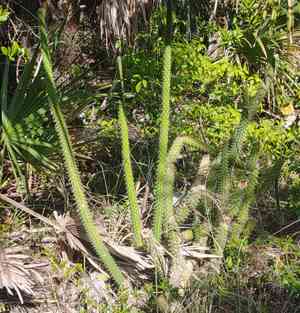
Prickly applecactus (Harrisia aboriginum)
Also known as: Aboriginal pricklyapple
The prickly applecactus is a hardy species characterized by its tall, columnar shape, often growing several meters high. It features large, fragrant white flowers that bloom at night, attracting pollinators such as bats. To thrive in harsh desert conditions, it has a thick, ribbed skin that helps conserve moisture and endure extreme temperatures.
In This Article
Attributes of Prickly applecactus
Lifespan
Perennial
Plant Type
Succulent
Plant Height
Up to 3 meters (10 feet)
Spread
Typically 0.5 meters (1.6 feet)
Leaf Color
N/A (Cacti do not have leaves in the traditional sense)
Flower Size
Up to 15 centimeters (6 inches)
Flower Color
White
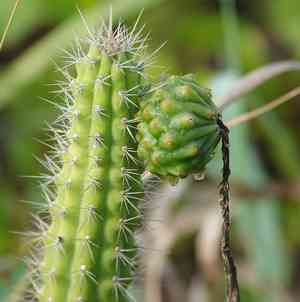
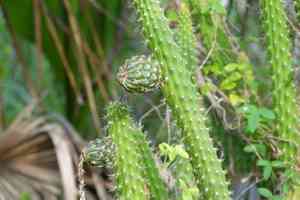
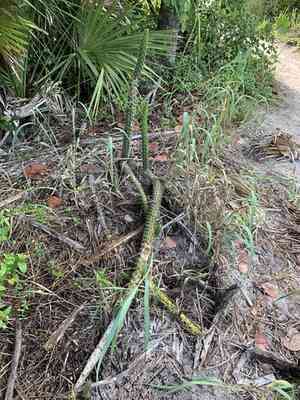
Images of Prickly applecactus
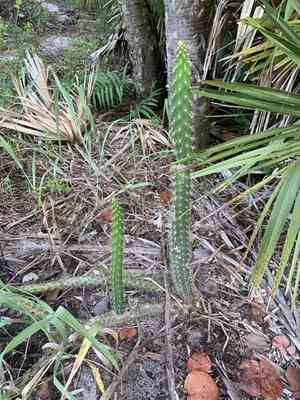
Quickly Identify Prickly applecactus
1
Identify Harrisia aboriginum by its cylindrical stems adorned with stout spines. The cactus blooms nocturnally, revealing large white flowers with narrow petals.
Scientific Classification of Prickly applecactus
Phylum
Vascular plants
Class
Dicotyledons
Order
Caryophyllales
Family
Cactuses
Genus
Applecactus
Species
Prickly applecactus
Planting and Growing of Prickly applecactus
Care Difficulty
Easy
Watering Schedule
Every day
Sunlight Requirements
Full sun
Sunshine Duration
4-8 hours
Ideal Temperature
70-85℉
Soil Type
Potting Mix, Peat Mix
Soil pH
6.5-7.5
Fertilizer Type
Balanced
Pruning Season
Spring, Summer
Pruning Area
Branches, Leaves
Pruning Frequency
Once a year
Repotting Season
Spring
Pot Type
Plastic, Terracotta
 How to Water Prickly applecactus?
The watering amount for Harrisia aboriginum should follow a minimalistic approach, as this plant is native to arid environments. Use approximately 100 milliliters of water, ensuring it penetrates the soil but does not cause waterlogging. This mimics the natural rainfall this species is accustomed to.
What are the symptoms of an underwatered Prickly applecactus?
›
What should I do if my Prickly applecactus is not getting enough water?
›
What are the symptoms of an overwatered Prickly applecactus?
›
How to save an overwatered Prickly applecactus?
›
 What Are the Sunlight Requirements for Prickly applecactus?
The ideal light range for Harrisia aboriginum is full sun for 6-8 hours daily, promoting vigorous growth and optimal health. This exposure supports its metabolism and defense mechanisms.
What is the ideal lighting condition for Harrisia aboriginum?
›
How can I achieve the ideal lighting for my plant?
›
What benefits does the ideal lighting provide?
›
 What Is the Ideal Temperature Range for Prickly applecactus?
The ideal temperature range for Harrisia aboriginum is between 70°F and 85°F. This range supports optimal growth and maintains the plant’s metabolic processes efficiently. Within this temperature window, photosynthesis is maximized, and the plant can sustain healthy development with minimal stress.
 What Soil is Best for Prickly applecactus?
Harrisia aboriginum thrives in well-draining soil, which prevents root rot by ensuring excess water swiftly escapes the root zone. This quality mimics the cactus's natural habitat and is crucial for its healthy development. This cactus is adapted to thrive in nutrient-poor soils, reducing the need for frequent fertilization. It benefits from soils that offer limited competition for resources, ensuring the cactus can access nutrients easily. Harrisia aboriginum often grows best in soils with minimal organic matter, as overly rich soils can retain too much water. This characteristic is beneficial because it aligns with the species’ preference for drier conditions.
 How to Fertilize Prickly applecactus?
For Harrisia aboriginum, it is recommended to use a balanced fertilizer at one-quarter strength. Too much fertilizer can adversely affect the plant, so it’s critical to measure accurately and use sparingly, ensuring good root health and vibrant growth.
 How to Prune Prickly applecactus?
Begin by gathering the right tools, such as a pair of sharp, sterilized pruning shears. Using clean tools minimizes the risk of introducing pathogens to the fresh cuts. Ensure you have thick gloves on to protect against sharp spines. Start by removing any dead, diseased, or damaged sections of the plant. Identify overly long stems or branches that may be impairing the plant's shape or health. Cut these back to a main stem or base, making clean cuts to promote proper healing. When making cuts, aim for a straight, clean cut just above a node or branching point. Avoid cutting too close to the node to prevent damage to the area that may lead to disease. Also, ensure cut surfaces are flat and smooth for optimal recovery.
More About Pruning Techniques→
 How to Propagate Prickly applecactus plant?
1
To prepare seeds for propagation, soak them in water for 24 hours to soften the seed coat. This step increases the germination rate by making it easier for seedlings to break through.
2
Choose healthy, disease-free stems for cuttings. Look for sections of the plant that exhibit vigorous growth, as these are more likely to root successfully and develop into strong plants.
3
Grafting involves attaching a scion from Harrisia aboriginum to a suitable rootstock. Ensure both scion and rootstock have compatible stem diameters for a successful union and rapid healing process.
 How to Repot Prickly applecactus plant?
1
Look for signs such as roots growing out of the drainage holes, soil that dries out too quickly, or a visibly top-heavy plant. These indicators suggest it's time to refresh the soil and give the plant more room to grow, usually best done in warmer months.
2
Select a pot that is slightly larger than the current one, with ample drainage holes to prevent waterlogging. Using a correctly-sized pot ensures proper water absorption and allows the roots to spread effectively, promoting healthy growth.
3
Opt for a gritty, well-draining cactus mix that mimics the plant's native habitat. This type of soil prevents water retention, reducing the risk of root rot and ensuring the roots receive oxygen, crucial for healthy plant development.



