How to Transplant Witch hazel?
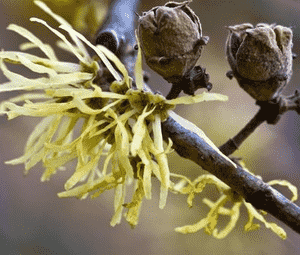
Springtime presents an excellent chance to relocate witch hazel, allowing its roots to settle before summer. Select a shaded spot featuring damp, adequately draining earth. Although detailed instructions are provided elsewhere, always handle witch hazel with care to ensure its thriving.
What Preparations are Needed Before Transplanting Witch Hazel?
What is the Ideal Time for Transplanting Witch Hazel?
The perfect time to move witch hazel is during early spring. This allows roots to settle before summer and promotes optimal development. Relocating witch hazel as nature revives ensures it has sufficient time to adjust to its new spot, while spring's mild temperatures and increased moisture aid root growth. This precise timing guarantees a smooth transition, supporting witch hazel's strength and vigor. It's like giving witch hazel a fresh start, where the gentle spring climate acts as a nurturing link from old ground to new beginnings.
How Much Space Should You Leave Between Witch Hazel Plants?
Ensure witch hazel plants have ample room to expand! Transplant them with a separation of approximately 10-15 feet (3-4.5 meters) apart. This will provide enough space for each plant to achieve its full potential. Happy planning!
What is the Best Soil Mix for Witch Hazel Transplanting?
Prepare your soil for witch hazel plants! Select well-draining soil and enrich it with a slow-release, granular fertilizer. Incorporating organic matter like compost will also be beneficial. Remember to keep the soil slightly acidic to neutral for optimal results. Enjoy gardening!
Where Should You Relocate Your Witch Hazel?
Now it's time to decide where to position your witch hazel plants. These beautiful plants thrive in full sun to partial shade. Be mindful of their delicate nature and choose a location that receives 4-6 hours of sunlight daily. Enjoy the sun with your witch hazel plants!
What Equipments Should You Prepare Before Transplantation Witch Hazel?
Gardening Gloves
To safeguard your hands while handling the plant and soil.
Shovel or spade
To excavate a wide trench around the witch hazel in its original spot and to dig a hole in its new location.
Buckets or containers
Preferably with handles, for moving the witch hazel and its surrounding soil.
A trowel
For precise digging, especially when extracting the witch hazel from a pot or seedling tray.
Pruning Shears
For trimming any damaged roots during the transplanting process.
Watering Can
To hydrate the witch hazel before and after the transplant procedure.
How Do You Remove Witch Hazel from the Soil?
How Do You Remove Witch Hazel from the Soil?
From Ground: First, water the witch hazel plant to moisten the soil. This will facilitate removal and lessen plant shock. Then, dig a wide trench around the plant using a shovel, ensuring you don't accidentally cut the plant's roots. Afterward, gently lift the plant from its original location with the shovel. Place the removed plant into the bucket or container for transport to its new spot.From Pot: Begin by watering the witch hazel, then turn the pot sideways and carefully slide the plant out, aiming to preserve as much of the root ball and original soil as possible. If the plant is stuck, tap the pot's sides to loosen the soil. A trowel can also be useful in this process.From Seedling Tray: Use a trowel or your fingers to carefully lift the witch hazel from its slot, trying not to harm the roots or stem. It may be beneficial to water the plant first to soften the soil, making removal easier.
Step-by-Step Guide for Transplanting Witch Hazel
Preparation
Begin by preparing the new site. Dig a hole that is twice as wide and as deep as the witch hazel's root ball. Keep the excavated soil nearby for refilling the hole.
Inspection
Take the witch hazel and gently examine its roots. If any roots are broken or damaged, trim them away using pruning shears.
Placing the Plant
Position the witch hazel in the hole, ensuring it's at the same depth as it was in its previous location. The top of the root ball should be level with or slightly above the surrounding soil.
Backfilling the Hole
Fill the space around the witch hazel with the excavated soil. As you do this, lightly press down on the soil to eliminate any air pockets.
Watering
Water the witch hazel thoroughly after transplanting to settle the soil and help the plant establish itself in its new location.
How Do You Care For Witch Hazel After Transplanting?
Watering
Keep the soil around the witch hazel consistently damp, but not waterlogged, for the initial few weeks post-transplant. This aids the witch hazel in establishing its root system in the new spot. Water regularly, depending on weather conditions.
Pruning
Trim any dead or damaged parts of the witch hazel a few weeks after transplanting. This includes leaves, branches, and blooms. This helps the witch hazel direct its energy towards establishing its root system instead of maintaining its foliage.
Observation
Monitor for signs of stress in the witch hazel after transplanting, such as yellowing leaves or wilting. If this occurs, ensure you're providing the correct amount of water and consider offering shade during the hottest part of the day.
Troubleshooting Common Issues with Witch Hazel Transplantation.
What is the best time of year to transplant witch hazel?
The ideal seasons to transplant witch hazel are between late winter and early spring. This allows the plant ample time to establish its roots before the peak growth of summer.
What is the ideal spacing when planting witch hazel?
You should maintain a distance of about 10-15 feet (3-4.5 meters) between each witch hazel. This provides each plant sufficient room to grow and flourish.
What type of soil does witch hazel prefer for transplanting?
Witch hazel thrives in well-drained, loamy to sandy soil. It benefits from rich humus and slightly acidic pH levels ranging from 5.5 to 6.5.
How deep should I plant witch hazel when transplanting?
Plant witch hazel at the same depth it was previously growing. Never cover the stem with soil; only the roots should be covered.
How much watering is recommended after transplanting witch hazel?
Water witch hazel thoroughly after transplanting, and continue to provide moderate water until you observe new growth. Avoid over-watering to prevent root rot.
How much sunlight does witch hazel need after transplanting?
Witch hazel prefers full to partial sunlight. However, in hotter climates, it appreciates some afternoon shade to shield it from intense sunbeams.
Should I add any fertilizers after transplanting witch hazel?
Fertilizers are not typically necessary for witch hazel. However, you can use a standard, slow-release fertilizer to provide a small nutrient boost once it's established.
What is the best method to transplant witch hazel?
The most effective way to transplant witch hazel is to dig a hole twice as wide, but not deeper, than the root ball â then gently place the plant in and backfill with soil.
What are the signs of successful transplantation of witch hazel?
Successful transplanting of witch hazel can be identified by the emergence of new leaves and shoots. This indicates that the plant has rooted and is beginning to grow.
What can cause leaf yellowing in transplanted witch hazel?
Leaf yellowing in witch hazel often suggests over-watering or inadequate drainage. It could also be due to a nutrient deficiency in the soil. Closely monitor your watering habits and soil health.



