How to Transplant Ozark witchhazel?
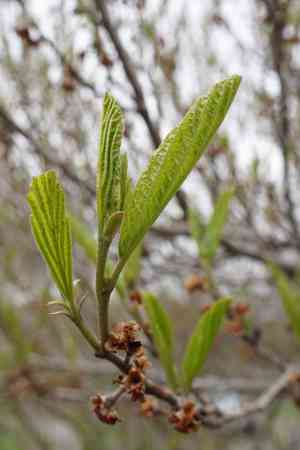
Spring offers the ideal period for relocating ozark witchhazel, facilitating an easy adjustment due to temperate conditions. Select a location receiving filtered sunlight and possessing good drainage. To ensure a successful transfer, preserve the soil's composition and hydration.
What Preparations are Needed Before Transplanting Ozark Witchhazel?
What is the Ideal Time for Transplanting Ozark Witchhazel?
The optimal period for relocating ozark witchhazel is early spring, once the ground becomes workable. This timing allows ozark witchhazel to establish its root system prior to the summer heat. Moving ozark witchhazel during this revitalizing season maximizes root development, leading to vigorous growth. During this time, ample rainfall and moderate temperatures aid ozark witchhazel in adapting to its new spot, ensuring a successful transition.
How Much Space Should You Leave Between Ozark Witchhazel Plants?
Hello there, aspiring gardener! For your beautiful ozark witchhazel, aim to space each plant approximately 6-10 feet (about 1.8-3 meters) apart. This provides ample room for them to spread out comfortably and develop freely. Remember, a little extra space can significantly benefit your plants!
What is the Best Soil Mix for Ozark Witchhazel Transplanting?
Preparing the ground for your ozark witchhazel? Utilize soil that drains effectively. A loamy or sandy type is perfect! Incorporate a layer of compost or a slow-release granular fertilizer into the soil before planting. This will provide your ozark witchhazel with a nutrient-rich foundation to begin strong.
Where Should You Relocate Your Ozark Witchhazel?
Let there be light, but not excessively! The ozark witchhazel prefers partial to full sun, meaning a location receiving 4 to 6 hours of sunlight is ideal. Morning sun and afternoon shade work wonderfully. Begin setting the stage for your ozark witchhazel's grand placement!
What Equipments Should You Prepare Before Transplantation Ozark Witchhazel?
Gardening Gloves
To safeguard your hands while handling the plant and soil.
Shovel/Spade
Required for excavating the plant from its original spot and replanting it in the ground.
Watering Can
To keep the ozark witchhazel hydrated before and after the relocation process.
Gardening Trowel
Useful for minor digging tasks when extracting the ozark witchhazel from a container or from seedling trays.
Garden Fork
Helpful for loosening the soil at the new planting location.
Wheelbarrow
Can be utilized to transport the ozark witchhazel or the excavated soil.
Mulch
To cover the soil surface after planting to retain moisture.
How Do You Remove Ozark Witchhazel from the Soil?
How Do You Remove Ozark Witchhazel from the Soil?
From Ground: First, water the ozark witchhazel to moisten the surrounding soil. Then, use a shovel or spade to carefully dig a wide trench around the plant, ensuring you do not harm the root ball. Work the spade beneath the root ball and gently tilt it back to lift the plant from its original position.From Pot: Water the plant in its container before beginning the removal. Then, place one hand on the soil surface with the ozark witchhazel between your fingers and invert the pot. Gently tap the bottom and sides of the pot to loosen it, then slide the ozark witchhazel out. Be careful not to pull on the stem or branches of the plant.From Seedling Tray: Lightly water the tray, then use a gardening trowel to lift the ozark witchhazel from its cell. Be careful not to damage the delicate roots.
Step-by-Step Guide for Transplanting Ozark Witchhazel
Dig the Hole
Use a garden fork to loosen the soil at the new planting site. Then, excavate a hole that is twice as wide and just as deep as the ozark witchhazel's root ball.
Place the Plant
Position the ozark witchhazel in the center of the hole. Ensure that the top of its root ball is level with the surrounding soil surface.
Backfill the Hole
Slowly refill the hole with the excavated soil and gently firm the soil around the ozark witchhazel's root ball.
Water Thoroughly
Water the ozark witchhazel until the soil is completely saturated.
Apply Mulch
Apply a 2-3 inch layer of mulch around the ozark witchhazel, leaving a small gap around the stem to prevent rot.
How Do You Care For Ozark Witchhazel After Transplanting?
Grading
Ensure the ground around the ozark witchhazel slopes away from its stem to prevent water accumulation and root rot.
Mulching
Maintain a 2-3 inch layer of mulch, as it can help to keep the soil moist and inhibit weed growth.
Watering
Keep the soil consistently damp, especially during dry spells or in arid climates, but avoid over-watering.
Pruning
Trim away any dead branches or leaves to encourage new growth and maintain the ozark witchhazel's health.
Monitoring
Closely observe the ozark witchhazel for signs of stress, such as wilting foliage, and respond accordingly. Do not hesitate to seek professional advice if needed.
Troubleshooting Common Issues with Ozark Witchhazel Transplantation.
What is the ideal time of year to transplant ozark witchhazel?
The best seasons to transplant ozark witchhazel are in late winter or early spring (S1-S3). This allows for the roots to establish before the growing season.
What's the principal rule about transplanting ozark witchhazel correctly?
Ensure the hole is spacious enough for the root system. Ideally, place ozark witchhazel around 6-10 feet (1.8-3 meters) apart to allow for growth.
Does ozark witchhazel require any pre-transplanting preparation?
Absolutely! Before transplanting, it's a good idea to water ozark witchhazel thoroughly. It helps protect the roots during this potentially stressful process.
How deep should the hole be when transplanting ozark witchhazel?
The hole should be roughly double the width of the root ball of ozark witchhazel, but not much deeper. A good rule is to keep the original topsoil level.
What kind of soil is best for ozark witchhazel transplantation?
Ozark witchhazel thrives in well-drained soil rich in organic matter. It's tolerant of a wide pH range but learns towards slightly acidic conditions.
How should I water ozark witchhazel after transplanting?
Water ozark witchhazel generously right after transplantation. Continue to provide consistent moisture until it shows signs of new growth.
Should I trim ozark witchhazel before transplanting?
Trimming is not necessary for ozark witchhazel, but any damaged or overly long roots can be pruned just before transplanting to help stimulate new root growth.
What if ozark witchhazel shows signs of wilting or discoloration after transplantation?
This is typically a sign of shock. You can lessen this by ensuring its root system is well-watered, and consider shading it temporarily.
Do I need to add fertilizers when transplanting ozark witchhazel?
Avoid using strong fertilizers right after transplanting as it can burn the roots. However, a slow-release organic fertilizer can be beneficial to support initial growth.
How do I ensure healthy growth of ozark witchhazel after transplanting?
Keep an eye on the watering, sun exposure, and pests. Prune as needed to maintain the desired shape, and mulch around to control weeds and conserve moisture.



