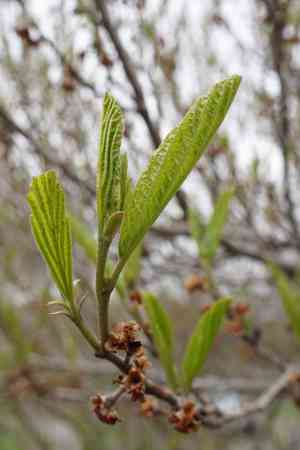
Ozark witchhazel (Hamamelis vernalis)
Also known as: Ozark Witch Hazel, Veral Witchhazel
The Ozark witch hazel, known scientifically as *Hamamelis vernalis*, is a deciduous shrub native to the Ozark Plateau. It typically blooms in late winter to early spring, thriving in conditions of full sun or partial shade. The name *Hamamelis vernalis* reflects its unique characteristic of simultaneous flower and fruit development.
In This Article
Attributes of Ozark witchhazel
Lifespan
Perennial
Plant Type
Tree, Shrub
Plant Height
1.8 m to 3 m
Spread
3 m to 4.5 m
Leaf Color
Yellow Green Red Gold Orange Purple Brown Lavender
Flower Size
2.5 cm
Flower Color
Yellow Orange Red
Images of Ozark witchhazel
Quickly Identify Ozark witchhazel
1
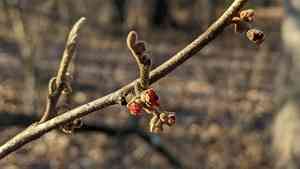
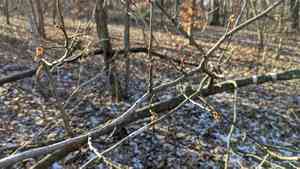
Zig-zag twigs with tomentose buds and twigs give a softly hairy appearance.
2
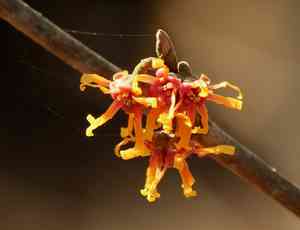
Axillary clusters of bright yellow flowers with four slender, strap-shaped petals.
3
Fruit capsules split open to release two black, glossy seeds, measuring 0.4 inches (1 cm).
4
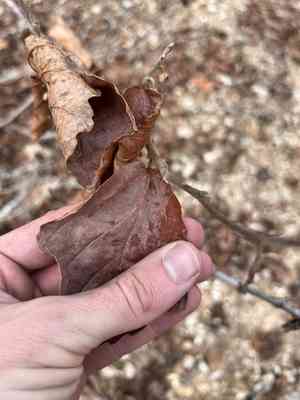
Alternate, ovate leaves with finely toothed edges, pubescent buds, and pronounced veining.
5
Young stems exhibit zig-zag growth, pubescent texture, transition from light green to greyish-brown.
Scientific Classification of Ozark witchhazel
Phylum
Vascular plants
Class
Dicotyledons
Order
Saxifragales
Family
Witch-hazel
Genus
Witch hazels
Species
Ozark witchhazel
Planting and Growing of Ozark witchhazel
Care Difficulty
Easy
Watering Schedule
Every 3 days
Sunlight Requirements
Full sun
Sunshine Duration
6-10 hours
Ideal Temperature
50-70℉
Soil Type
Potting Mix, Peat Mix
Soil pH
6.5-7.5
Fertilizer Type
Balanced
Pruning Season
Spring, Summer
Pruning Area
Branches, Leaves
Pruning Frequency
Once a year
Repotting Season
Spring
Pot Type
Plastic, Ceramic
 How to Water Ozark witchhazel?
Hamamelis vernalis enjoys consistent moisture. Water thoroughly until the soil is moist but not waterlogged. Ensure that excess water drains well, as standing water can harm the plant's root system.
What are the symptoms of an underwatered Ozark witchhazel?
›
What should I do if my Ozark witchhazel is not getting enough water?
›
What are the symptoms of an overwatered Ozark witchhazel?
›
How to save an overwatered Ozark witchhazel?
›
 What Are the Sunlight Requirements for Ozark witchhazel?
The ideal light range for Hamamelis vernalis is full to partial sun. This ensures optimal photosynthesis and robust flowering. Ideal light significantly enhances growth, encouraging dense blooms and vibrant foliage.
More About Sunlight Requirements Techniques→
What lighting condition does Hamamelis vernalis prefer?
›
What are the solutions to achieve ideal lighting for Hamamelis vernalis?
›
What benefits does ideal lighting bring to Hamamelis vernalis?
›
 What Is the Ideal Temperature Range for Ozark witchhazel?
For Hamamelis vernalis, maintaining an ideal temperature range between 50°F and 70°F is crucial for optimal growth. This range allows the plant to thrive, encouraging healthy foliage and vibrant flowering. Ensuring this temperature range is maintained helps the plant to maximize photosynthesis and minimize stress.
 What Soil is Best for Ozark witchhazel?
Hamamelis vernalis thrives in well-drained soil that helps prevent root rot by ensuring excess water does not accumulate around the roots. This promotes strong root development and maintains plant health. The plant prefers soil that retains moisture without becoming waterlogged. This balance supports steady growth and vibrant foliage, optimizing sunlight absorption and photosynthesis. A nutrient-rich soil provides the necessary minerals and organic matter essential for growth and flowering. It enhances the plant's resilience against diseases and environmental stresses, contributing to lush blooms.
 How to Fertilize Ozark witchhazel?
For Hamamelis vernalis, it's important to keep the soil consistently nutrient-rich without overdoing it. When using liquid fertilizer, dilute it to half-strength to prevent root burn. When using a slow-release fertilizer, apply according to the package instructions, usually around 1 pound per 100 square feet.
 How to Prune Ozark witchhazel?
Begin by identifying and removing dead, damaged, or diseased branches. These branches can be cut back to the point of healthy growth or to the stem's base. This encourages new, healthy growth and helps keep the plant vigorous. After removing unwanted wood, focus on shaping your Witch Hazel. Cut back any cross branches that disrupt the plant's natural form. Thin out the inner branches to improve air circulation and light penetration, which are essential for healthy growth and blooming. When making cuts, do so at a 45-degree angle just above a bud that is facing outward. This encourages the new growth to expand outward rather than inward, maintaining the plant's aesthetic shape and structure.
More About Pruning Techniques→
 How to Propagate Ozark witchhazel plant?
1
Choose mature and viable Hamamelis vernalis seeds; they should be plump with a hard seed coat. It is also recommended to soak the seeds for a few hours to soften the seed coat.
2
Cut a healthy, non-flowering stem about 10-15 cm long. Make a clean cut just below a leaf node and remove the leaves from the lower half of the cutting to reduce water loss.
3
For seeds, sow them in a well-draining potting mix. For cuttings, dip the cut end in rooting hormone and place them in a pot with moist potting soil, ensuring it is firm around the base.
 How to Repot Ozark witchhazel plant?
1
Hamamelis vernalis shows signs of needing repotting when you notice a decrease in plant vigor, with roots peeking out of drainage holes or the soil becoming compacted. Ideally, aim to repot in spring or autumn when the plant is not in active growth, ensuring minimal stress from the process.
2
Select a pot that's one size larger than the current one to provide enough room for root growth. Ensure it has adequate drainage holes to prevent waterlogging, which can lead to root rot. A well-chosen pot fosters healthy development and ensures your plant thrives.
3
Opt for well-draining loamy soil, which offers just the right balance of moisture retention and drainage. This type of soil ensures roots don't sit in water, helps to prevent fungal infections, and promotes a robust, healthy root system.



