How to Transplant Barb grass?
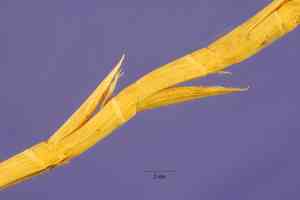
The ideal period for relocating barb grass is as late spring's warmth embraces the earth, moving into the gentle liveliness of early summer. Select a sun-drenched location with soil that drains effectively to foster its delicate root system. A careful approach during transplantation guarantees barb grass flourishes in its new environment.
Essential Preparations Before Relocating Barb Grass
Optimal Period for Barb Grass Relocation?
The most suitable period for moving barb grass is from early spring's warmth to the beginning of summer. This timeframe ensures young plants establish themselves under prime growing conditions. By selecting this window for transplanting, you offer barb grass a smooth transition into the growing season, utilizing the perfect balance of temperature and rainfall to foster strong development. Strategic timing during this ideal calendar spot gives barb grass the best chance to thrive, as mild weather reduces stress and boosts root growth.
Recommended Spacing Between Barb Grass Plants?
When moving your barb grass, aim to provide each plant ample room to thrive. Position them roughly 6-8 inches (15-20 cm) apart. This will help your barb grass grow healthily without excessive competition for nutrients or sunlight.
Best Soil Mixture for Barb Grass Transplanting?
Before placing barb grass in its new spot, prepare a well-draining soil mix and enrich it with a balanced organic fertilizer. Sandy or loamy soil will create a comfortable bed for your barb grass to flourish.
Ideal Location for Your Barb Grass?
Choose a sunny location that receives abundant light throughout the day, as barb grass thrives in sunlight. A spot with at least 6 hours of direct sun is perfect to ensure your barb grass gets the energy it requires.
Equipment Needed Before Transplanting Barb Grass
Gardening Gloves
To safeguard your hands while handling soil and plants.
Shovel or Spade
For excavating the plant from its original spot and creating a new hole.
Watering Can or Hose
To hydrate the plant before and after its relocation.
Gardening Trowel
For managing smaller plants and more precise tasks if moving from a pot or tray.
Pruning Shears
To trim any damaged roots or stems as needed.
Wheelbarrow or Garden Cart
To move the plant and soil effortlessly.
Soil Amendment
To enrich the soil at the new location if necessary, such as compost (avoiding duplicating soil type/fertilizer information).
Mulch
To help retain moisture in the soil surrounding the newly transplanted plant.
Garden Fork
To loosen the soil around the plant's root system.
Rooting Hormone (Optional)
To stimulate root development after transplanting, if suitable for barb grass.
How to Extract Barb Grass from the Soil?
How to Extract Barb Grass from the Soil?
From Ground: First, water the barb grass plant to moisten the soil. Next, dig a wide trench around the plant using a shovel or spade, ensuring the plant's root ball remains intact. Gently work the spade beneath the root ball to lift the plant from its initial position.From Pot: Begin by watering the barb grass plant to make the soil more pliable. Turn the pot on its side and gently tap to loosen the plant. Grasp the base of the plant and carefully ease it out, supporting the root ball as you do so.From Seedling Tray: Water the barb grass seedlings to make the soil damp. Use a gardening trowel to carefully lift each seedling and its surrounding soil, trying not to disturb the roots.
Step-by-Step Guide for Transplanting Barb Grass
Preparation
Gather all necessary tools and supplies before beginning the transplanting process.
Plant Removal
Follow the appropriate removal method based on whether the barb grass plant is coming from the ground, a pot, or a seedling tray.
Hole Digging
Excavate a hole in the ground that is twice as wide and the same depth as the barb grass's root ball.
Soil Amendment
If using a soil amendment, blend it with the removed soil before refilling the hole, considering recommendations for barb grass.
Plant Positioning
Place the barb grass in the center of the hole, gently spreading out its roots. Ensure the plant is upright and at the same depth it was previously growing.
Fill In
Backfill the hole with the amended soil, gently firming it to eliminate air pockets.
Watering
Thoroughly water the barb grass to settle the soil and provide hydration.
Mulching
Apply a layer of mulch around the base of the barb grass to help maintain moisture levels and regulate soil temperature.
Observation
Monitor the plant for the first few days to address any signs of transplant shock or other issues.
Post-Transplanting Care for Barb Grass
Consistent Watering
Keep the soil around the barb grass consistently moist, but not waterlogged, for the initial weeks after transplanting to encourage strong root development.
Monitoring
Watch for any indications of stress such as wilting, leaf drop, or discoloration and address them promptly.
Protection
Shield the barb grass from harsh weather, pests, and diseases while it establishes itself.
Support
If the barb grass appears leggy or unstable, consider using plant stakes or ties for support until it is fully established.
Limited Pruning
Avoid extensive pruning immediately after planting to allow the barb grass to prioritize root growth.
Addressing Common Barb Grass Transplanting Issues
When is the best time to transplant barb grass for optimal growth?
Transplant barb grass when the weather becomes pleasant, typically in late spring to early summer.
What spacing ensures healthy barb grass growth after transplanting?
Space barb grass approximately 6-8 inches (15-20 cm) apart for sufficient room to thrive.
Why is my barb grass wilting after transplanting?
Wilting might be due to transplant shock. Provide shade and consistent moisture, and it should recover!
How deep should barb grass seedlings be planted?
Plant barb grass at the same depth they were growing previously - neither deeper nor shallower.
Should I amend the soil when transplanting barb grass?
Yes, enriching the soil with compost or well-rotted manure will give barb grass a strong start.
Can I transplant barb grass during the day?
Transplant barb grass during cooler parts of the day, such as morning or late afternoon, to minimize stress.
How much should I water barb grass after transplanting?
Water thoroughly after transplanting to settle the soil, then maintain consistent watering without waterlogging.
What if barb grass doesnât establish after transplanting?
Ensure the plant isn't too deep, check for pests, and maintain balanced soil moisture and nutrition.
How long does barb grass take to recover from transplant shock?
Typically, barb grass will bounce back within a week if kept well-watered and provided with partial shade.
Can I fertilize barb grass immediately after transplanting?
Wait until barb grass shows signs of new growth before applying a balanced, mild fertilizer to help it settle in.



