How to Transplant Jessica sticktight?
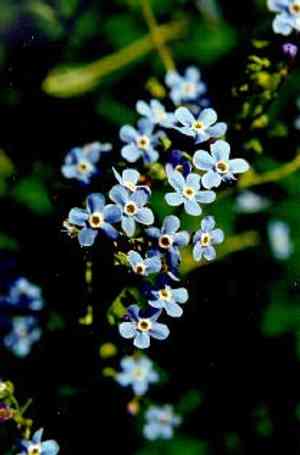
The optimal period for relocating jessica sticktight is between early and late spring, enabling root systems to develop prior to the summer season. Select a spot that receives ample sunlight but also some shade, featuring soil that drains effectively. Verify that the chosen area is clear of competing vegetation and sufficiently hydrated for a successful transfer.
What Preparations are Needed Before Transplanting Jessica Sticktight?
What is the Ideal Time for Transplanting Jessica Sticktight?
The prime period for relocating jessica sticktight spans from early to late spring. This timing aligns with the plant's natural growth cycle, promoting superior root establishment and minimizing transplant stress. Moving jessica sticktight during this season capitalizes on spring rainfall and milder temperatures, fostering robust growth and a strong start.
How Much Space Should You Leave Between Jessica Sticktight Plants?
When relocating jessica sticktight, ensure each plant is spaced 12-18 inches (30-45 cm) apart. This provides ample room for development without overcrowding, encouraging healthy growth and reducing nutrient competition.
What is the Best Soil Mix for Jessica Sticktight Transplanting?
Prepare the soil for jessica sticktight using well-draining, loamy soil. Enhance the soil with organic compost or a balanced base fertilizer to supply essential nutrients. Ensure the soil is loose and free of large clumps to encourage root development.
Where Should You Relocate Your Jessica Sticktight?
Select a sunny location for transplanting jessica sticktight, as it thrives in full sunlight. Aim for at least 6-8 hours of direct sun daily. In hotter climates, partial shade during the warmest part of the day can help prevent stress.
What Equipments Should You Prepare Before Transplantation Jessica Sticktight?
Gardening Gloves
To safeguard your hands while handling soil and the plant.
Shovel or Spade
For digging around the plant and lifting it with its root ball intact.
Trowel
For creating smaller holes or extracting the plant from a pot or seedling tray.
Watering Can or Hose
To hydrate the plant before and after its relocation.
Wheelbarrow
To move the plant if necessary.
Mulch
To aid in retaining soil moisture post-transplant.
How Do You Remove Jessica Sticktight from the Soil?
How Do You Remove Jessica Sticktight from the Soil?
From Ground: First, water the jessica sticktight plant to moisten the soil. Then, excavate a wide trench around the plant using a shovel or spade, ensuring the plant's root ball remains undisturbed. Carefully work the spade beneath the root ball to lift the plant from its original spot.From Pot: Lightly water the jessica sticktight plant to make the soil easier to manage. Gently tilt the pot on its side and carefully ease the plant out, avoiding root damage.From Seedling Tray: Lightly water the jessica sticktight plant. Using a trowel, gently loosen the soil around the seedling and lift it out, ensuring the roots are protected.
Step-by-Step Guide for Transplanting Jessica Sticktight
Plant Preparation
Thoroughly water the jessica sticktight a day prior to transplanting to ensure the soil is moist and the plant is hydrated.
Prepare New Location
Dig a hole in the new site that is twice as wide and the same depth as the root ball of the jessica sticktight plant.
Remove Plant
Follow the instructions for extracting the plant from its initial location, ensuring the root ball remains intact.
Transplanting
Position the jessica sticktight plant in the prepared hole, making sure the top of the root ball is level with the surrounding soil. Backfill with soil, gently firming it around the roots.
Watering
Thoroughly water the jessica sticktight plant after transplanting to help settle the soil and eliminate any air pockets.
Mulching
Apply a layer of mulch around the plant's base to help retain moisture and keep the roots cool.
How Do You Care For Jessica Sticktight After Transplanting?
Watering
Keep the soil around the jessica sticktight consistently moist, but not waterlogged, for the initial weeks post-transplant to aid in establishing strong roots.
Monitoring Growth
Regularly check on the jessica sticktight plant to ensure it is adapting well to its new environment. Look for signs of stress, such as wilting or yellowing leaves, and address issues promptly.
Weeding
Keep the area around the jessica sticktight plant free of weeds, which can compete for water and nutrients.
Pest Control
Monitor for pests that might target the jessica sticktight plant and take action if necessary, using organic methods when possible.
Troubleshooting Common Issues with Jessica Sticktight Transplantation.
When is the best time to transplant jessica sticktight?
The optimal time for relocating jessica sticktight is from early spring to late spring when the soil is workable.
How deep should I plant jessica sticktight during transplantation?
Plant jessica sticktight at the same depth it was previously growing, to prevent root stress.
What is the ideal spacing for jessica sticktight after transplanting?
Space jessica sticktight plants 12-18 inches (30-45 cm) apart to ensure healthy growth and proper airflow.
Why do my jessica sticktight plants wilt after transplanting?
Wilting can be a symptom of transplant shock. Keep the soil consistently moist but not soggy for recovery.
Should I water jessica sticktight immediately after transplanting?
Yes, thoroughly water jessica sticktight right after transplanting to help settle the soil and roots.
Can I transplant jessica sticktight in the fall?
It's preferable to transplant jessica sticktight in early to late spring to allow ample growth time before winter.
How do I prepare the soil for transplanting jessica sticktight?
Enrich the soil with compost and ensure good drainage to provide a healthy environment for jessica sticktight.
What type of soil does jessica sticktight prefer?
Jessica sticktight thrives in well-drained soil with a good mix of organic material for optimal growth.
How can I reduce transplant shock in jessica sticktight?
Minimize root disturbance and water thoroughly. Mulch around jessica sticktight to retain moisture and lessen stress.
Should jessica sticktight be fertilized immediately after transplanting?
Wait a few weeks before fertilizing jessica sticktight to allow the plant to establish itself in its new location.



