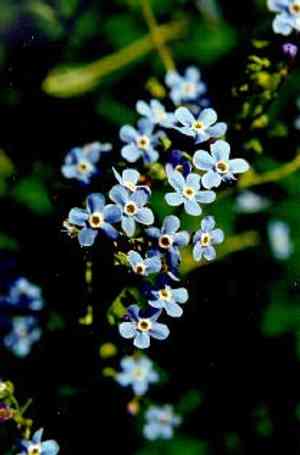
Jessica sticktight (Hackelia micrantha)
Also known as: Jessica's stickseed
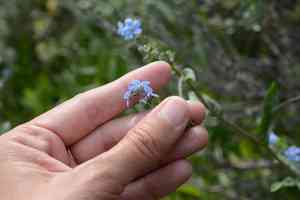
Hackelia micrantha is a perennial herb that typically reaches heights between 30 centimeters and 1 meter. This plant features erect stems with a base adorned by numerous oval to lance-shaped leaves, each potentially exceeding 20 centimeters in length. The upper portions of the stems tend to be leafless, showcasing cyme clusters of vibrant blue flowers.
In This Article
Attributes of Jessica sticktight
Lifespan
Perennial
Plant Type
Herb
Plant Height
30 cm to 1.02 m
Spread
N/A
Leaf Color
Green
Flower Size
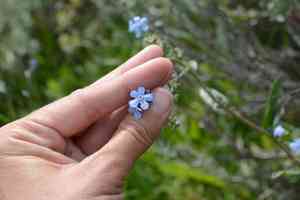
0.5 cm (0.2 inches)
Flower Color
Blue or white
Images of Jessica sticktight
Quickly Identify Jessica sticktight
1
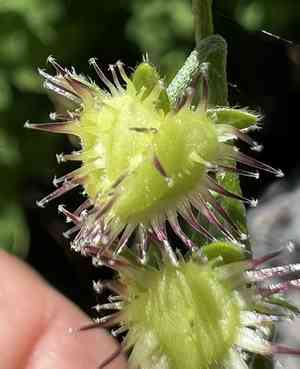
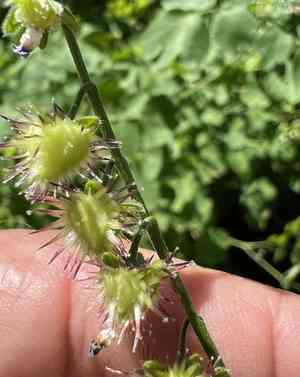
Hackelia micrantha can be identified by its small, blue or white, five-petaled flowers and hairy stems. The leaves are lance-shaped and alternately arranged. The plant\'s most distinguishing feature is its seed pods covered in tiny, hook-like barbs that easily stick to fur and clothing.
Scientific Classification of Jessica sticktight
Phylum
Vascular plants
Class
Dicotyledons
Order
Boraginales
Family
Borage
Genus
Stickseeds
Species
Jessica sticktight
Planting and Growing of Jessica sticktight
Care Difficulty
Easy
Watering Schedule
Every 2 days
Sunlight Requirements
Partial sun
Sunshine Duration
6-10 hours
Ideal Temperature
60-75℉
Soil Type
Potting Mix, Peat Mix
Soil pH
6.5-7.5
Fertilizer Type
Balanced
Pruning Season
Spring, Summer
Pruning Area
Branches, Leaves
Pruning Frequency
Once a year
Repotting Season
Spring
Pot Type
Plastic, Terracotta
 How to Water Jessica sticktight?
When watering Hackelia micrantha, ensure the soil is thoroughly moistened, providing around 300 ml per session. This allows the roots to access necessary moisture while preventing surface-only wetness.
What are the symptoms of an underwatered Jessica sticktight?
›
What should I do if my Jessica sticktight is not getting enough water?
›
What are the symptoms of an overwatered Jessica sticktight?
›
How to save an overwatered Jessica sticktight?
›
 What Are the Sunlight Requirements for Jessica sticktight?
Hackelia micrantha is best suited to partial sunlight conditions. This careful balance of light supports optimal growth, allowing for efficient photosynthesis without the risk of leaf damage. Ideal lighting ensures vibrant leaf color and robustness.
Optimal Time for Sunlight Exposure
›
Using Natural Barriers for Shade
›
Effect of Ideal Lighting on Growth
›
 What Is the Ideal Temperature Range for Jessica sticktight?
The ideal temperature range for Hackelia micrantha growth is between 60°F and 75°F. Within this range, the plant can perform optimal physiological activities, such as photosynthesis and respiration. These temperatures provide a stable environment that supports healthy development of foliage and roots, making it less prone to stress and disease.
 What Soil is Best for Jessica sticktight?
Hackelia micrantha thrives in well-drained soil, which prevents root rot by allowing excess water to escape. This helps in maintaining the plant's health and robust growth, as waterlogged conditions can stifle its development. The plant prefers nutrient-rich soil, which provides essential minerals and nutrients for optimal growth and flowering. Fertile soil contributes to vibrant foliage and abundant blooms, ensuring the plant's aesthetic and ecological benefits. While drainage is important, Hackelia micrantha also requires soil that retains moisture to some extent, supporting consistent hydration and nutrient uptake without being excessively dry or waterlogged.
 How to Fertilize Jessica sticktight?
When fertilizing Hackelia micrantha, it's crucial to apply a balanced fertilizer that supplies nitrogen, phosphorus, and potassium in equal parts. Use approximately 1/4 teaspoon per plant. This amount ensures essential nutrients are available without overwhelming the plant's natural growth processes.
 How to Prune Jessica sticktight?
Use sharp pruning shears for clean cuts. Ensure tools are disinfected before use to prevent the spread of diseases. Sharp tools make it easier to cut through branches without causing undue stress to the plant. Examine the plant carefully and identify any dead, damaged, or diseased branches. Prioritize these branches for removal first, as they can sap resources from healthy parts of the plant. Begin pruning by removing the unwanted growth carefully. Trim back up to a third of the plant's foliage to maintain shape without undermining its ability to photosynthesize effectively. Trim above a leaf node to encourage healthy regrowth from that area.
More About Pruning Techniques→
 How to Propagate Jessica sticktight plant?
1
Use a well-draining soil mix suitable for Hackelia micrantha. It’s important to ensure that the soil is rich in nutrients and has good aeration properties to encourage root growth.
2
Sow the seeds in the prepared seed tray, covering them lightly with soil. Maintain a consistent moisture level to encourage germination, which may take several weeks.
3
Select healthy roots and use clean pruning shears to cut sections about 2 inches long. Plant them in moist soil, ensuring that the cuttings are covered enough to stabilize them.
 How to Repot Jessica sticktight plant?
1
Hackelia micrantha should be repotted when roots show through drainage holes or the plant appears root-bound. These are clear signs your plant needs more space to thrive.
2
Select a pot with drainage holes that is 2-3 inches larger than the current one. This ensures enough room for growth and prevents waterlogging which can lead to root rot.
3
Opt for a well-draining sandy loam with organic matter which helps retain moisture yet ensures excess water drains well, mimicking its natural environment.
Toxicity
Ingestion
WARNING
The judgment on toxicity and danger is for reference only. We DO NOT GUARANTEE any accuracy of such judgment. Therefore, you SHALL NOT rely on such judgment. It is IMPORTANT TO SEEK PROFESSIONAL ADVICE in advance when necessary.
Learn More About Jessica sticktight Diseases
Anthracnose
Bacterial Leaf Spot
Bacterial Soft Rot
Bacterial Wilt
Black Spot
Chemical Injury
Crown Gall
Cyst Nematode
Damping-off
Downy Mildew
Drought Stress
Fusarium Wilt
Gray Mold
Leaf Curl
Leaf Spot
Mosaic
Nutrient Deficiency
Nutrient Toxicity
Powdery Mildew
Root Rot
Root-knot Nematode
Rusts
Sooty Mold
Spider Mites
Temperature Stress
Thrips Damage
White Mold



