How to Transplant Waterspider bog orchid?
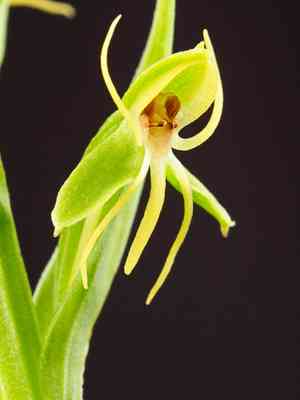
Relocate waterspider bog orchid during the tender period of early spring, a time of renewal—the perfect window from the departure of frost until the height of summer. Select locations rich in moisture that replicate its marshy native environment, facilitating effortless root establishment.
What Preparations are Needed Before Transplanting Waterspider Bog Orchid?
What is the Ideal Time for Transplanting Waterspider Bog Orchid?
The best period for moving waterspider bog orchid is from the refreshing start of early spring through the developing days of late spring. During this time, mild temperatures and moderate rainfall create a favorable environment for waterspider bog orchid to establish roots comfortably and recover from the change. Benefits of a spring relocation include a full growing season ahead for waterspider bog orchid to settle, reduced heat stress, and more consistent moisture levels to aid root development. This timely choice gives waterspider bog orchid a strong beginning, enhancing vigor and bloom potential.
How Much Space Should You Leave Between Waterspider Bog Orchid Plants?
For your waterspider bog orchid, aim for a distance that allows them to thrive and grow. Typically, 6-12 inches (15-30 cm) apart is optimal. This provides each plant sufficient room for root expansion without competition â consider it personal space for plants!
What is the Best Soil Mix for Waterspider Bog Orchid Transplanting?
Your waterspider bog orchid loves a comfortable bed of soil that drains well and is rich in organic material. Improve your soil with a balanced, slow-release fertilizer as a welcoming treat for your green companion. This nurturing start is crucial for a healthy, happy waterspider bog orchid.
Where Should You Relocate Your Waterspider Bog Orchid?
Now, where to place your waterspider bog orchid? Choose a spot that receives partial sunlight â somewhere that mimics the filtered light of its natural wetland habitat. Morning sun with afternoon shade, or an area with dappled light all day, will make your waterspider bog orchid feel perfectly at home!
What Equipments Should You Prepare Before Transplantation Waterspider Bog Orchid?
Gardening Gloves
To safeguard your hands while handling soil and plants.
Shovel or Spade
For carefully excavating the plant without harming its root ball.
Watering Can
To hydrate the plant before and after moving it to lessen transplant shock.
Pruning Shears
To trim any damaged or excessively long roots prior to transplanting.
Wheelbarrow or Plant Dolly
To transport the plant from its original spot to the new site, if needed.
Garden Hose
For supplying adequate water to the new location both before and after planting.
How Do You Remove Waterspider Bog Orchid from the Soil?
How Do You Remove Waterspider Bog Orchid from the Soil?
From Ground: Start by watering the waterspider bog orchid plant to ensure the soil is damp, which will facilitate removal. Gently dig a circle around the plant, leaving ample room to avoid cutting into the root ball. Work your shovel or spade beneath the roots, and carefully lift the plant from its initial position.From Pot: Water the waterspider bog orchid thoroughly. Turn the pot on its side, hold the plant at its base, and tap the bottom to loosen it. Gradually ease the root ball out while supporting the plant. Inspect the roots and prune if necessary.From Seedling Tray: Moisten the soil surrounding the waterspider bog orchid. Use a spoon or a small tool to lift the individual plant out of its cell, taking as much of the root and soil as possible.
Step-by-Step Guide for Transplanting Waterspider Bog Orchid
Plant Preparation
Examine the root system of the waterspider bog orchid for any indications of disease or damage. Trim broken or overly long roots with pruning shears to encourage the development of new feeder roots.
Hole Preparation
Dig a hole in the ground that is twice as wide and approximately the same depth as the root ball of the waterspider bog orchid. This will allow roots to spread out and establish easily.
Plant Positioning
Place the waterspider bog orchid in the center of the hole at the same depth it was growing previously. This will ensure that the plant does not experience excessive stress adjusting to the new depth.
Soil Backfill
Gently refill the soil around the root ball. While doing this, lightly press down the soil to eliminate air pockets which can dry out roots.
Watering In
Water the waterspider bog orchid thoroughly immediately after transplanting to settle the soil and hydrate the roots. This is vital for reducing transplant shock and promoting recovery and growth.
Support
If the waterspider bog orchid has tall stems or leaves, stake them to prevent wind damage and provide support until the plant becomes established in its new location.
How Do You Care For Waterspider Bog Orchid After Transplanting?
Monitoring
Regularly check the waterspider bog orchid for signs of transplant shock, such as wilting or yellowing leaves, and address any issues promptly.
Watering
Maintain a consistent moisture level in the soil, especially during the first growing season after transplanting, to facilitate root establishment.
Mulching
Apply a layer of organic mulch around the base of the waterspider bog orchid to conserve moisture and regulate soil temperature.
Fertilization
Once established, apply a balanced fertilizer to the waterspider bog orchid in moderation according to the specific needs of the orchid variety.
Troubleshooting Common Issues with Waterspider Bog Orchid Transplantation.
How do I know when it's the best time to transplant waterspider bog orchid?
The ideal time to transplant waterspider bog orchid is from early to late spring, as they emerge from dormancy.
What should be the spacing between transplanted waterspider bog orchid?
Allow 6-12 inches (15-30 cm) between each waterspider bog orchid to give them ample room to thrive.
What are early signs of transplant shock in waterspider bog orchid?
Wilting, yellowing, or dropped leaves may indicate transplant shock. Ensure soil moisture and avoid direct sunlight for a few days.
How deep should I plant waterspider bog orchid's roots in the new location?
Plant waterspider bog orchid's roots just below the soil surface to give them sufficient access to water and nutrients.
How much should I water waterspider bog orchid after transplanting?
Water generously right after transplanting to settle the soil, then maintain consistent moisture without overwatering.
Should I fertilize waterspider bog orchid immediately after transplanting?
No, wait for 3-4 weeks to allow waterspider bog orchid to establish before introducing a balanced liquid fertilizer.
What is the best type of soil for transplanting waterspider bog orchid?
Use a rich, well-drained loamy soil with adequate organic matter to encourage healthy growth.
Can waterspider bog orchid be transplanted during the summertime?
Itâs preferable to transplant in the recommended spring window, but if necessary, ensure it's not during extreme heat.
What kind of sunlight exposure is ideal for waterspider bog orchid post-transplant?
Provide partial sunlight to newly transplanted waterspider bog orchid, shielding from the intense afternoon sun.
How do I handle the roots of waterspider bog orchid during transplanting?
Handle roots gently and minimize exposure to air. Spread them out in the planting hole to encourage growth.



