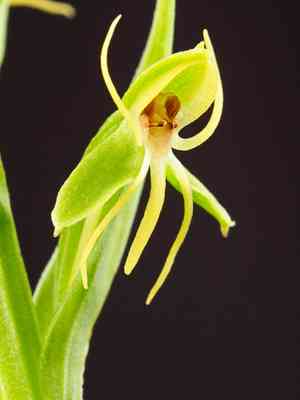
Waterspider bog orchid (Habenaria repens)
Also known as: Water-spider Orchid, Floating Habenaria
The waterspider bog orchid (*Habenaria repens*) features green flowers that resemble tiny spiders with legs and eye-like markings. This unique plant produces a compound known as habenariol, which acts as a deterrent to grazing animals, safeguarding the plant from being consumed. While not commonly found in ornamental gardens, it is cultivated by orchid enthusiasts who appreciate its preference for waterlogged and aquatic environments.
In This Article
Attributes of Waterspider bog orchid
Lifespan
Perennial
Plant Type
Herb
Plant Height
50 cm
Spread
N/A
Leaf Color
Green
Flower Size
2.5 cm
Flower Color
Yellow Green
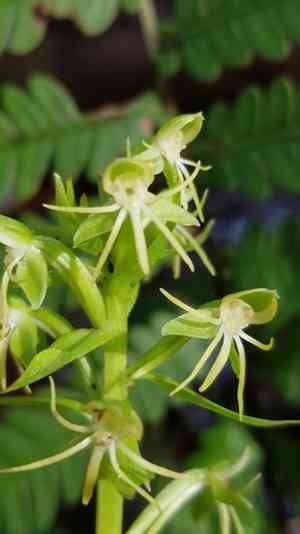
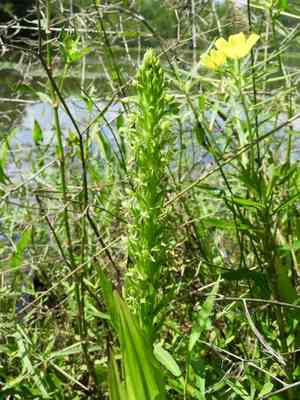
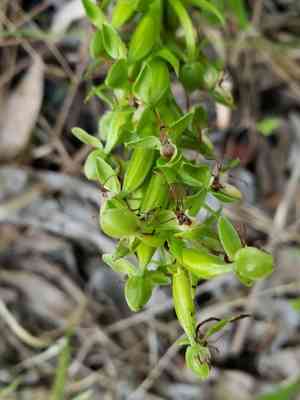
Images of Waterspider bog orchid
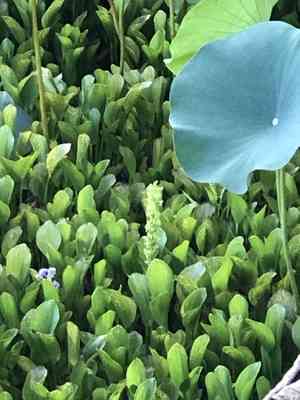
Quickly Identify Waterspider bog orchid
1
Slender, grass-like leaves up to 10 inches (25 cm) long
2
Tiny flowers in narrow inflorescence with greenish-white petals
3
Fruit capsule 0.4-0.8 inches (1-2 cm) long, splits open longitudinally
4
Smooth-textured leaves with prominent central veins
5
Raceme flowers with lobed labellum and a spider-like appearance
Scientific Classification of Waterspider bog orchid
Phylum
Vascular plants
Class
Monocotyledons
Order
Asparagales
Family
Orchid
Genus
Rein orchid
Species
Waterspider bog orchid
Planting and Growing of Waterspider bog orchid
Care Difficulty
Moderate
Watering Schedule
Every 4 days
Sunlight Requirements
Partial sun
Sunshine Duration
4-8 hours
Ideal Temperature
75-85℉
Soil Type
Potting Mix, Peat Mix
Soil pH
6.5-7.5
Fertilizer Type
Balanced
Pruning Season
Spring, Summer
Pruning Area
Branches, Leaves
Pruning Frequency
2 times a year
Repotting Season
Spring
Pot Type
Plastic, Ceramic
 How to Water Waterspider bog orchid?
Habenaria repens, or the Water-spider Orchid, thrives in moist soil conditions. Water generously, ensuring the soil is thoroughly soaked but not waterlogged. Approximately 250 milliliters of water per session is ideal for maintaining its lush growth.
What are the symptoms of an underwatered Waterspider bog orchid?
›
What should I do if my Waterspider bog orchid is not getting enough water?
›
What are the symptoms of an overwatered Waterspider bog orchid?
›
How to save an overwatered Waterspider bog orchid?
›
 What Are the Sunlight Requirements for Waterspider bog orchid?
Habenaria repens benefits from partial to full sun exposure, specifically enjoying four to six hours of sunlight daily. Optimal light conditions enhance photosynthesis and promote lush, healthy growth.
More About Sunlight Requirements Techniques→
Optimal Sunlight Requirements
›
Solution for Optimal Conditions
›
Benefits of Ideal Lighting
›
 What Is the Ideal Temperature Range for Waterspider bog orchid?
The ideal temperature range for Habenaria repens is between 75°F and 85°F. This range offers optimal conditions for the plant's growth, ensuring that it receives enough warmth for active metabolism and photosynthesis. Maintaining this temperature range can help prevent stress and encourage blooming.
 What Soil is Best for Waterspider bog orchid?
Habenaria repens thrives in soil that has excellent moisture retention properties. This helps the plant maintain its needed hydration, essential for a robust growth phase and bright, vibrant flowers. A soil rich in organic matter is ideal for Habenaria repens as it provides essential nutrients. This richness in organic content supports vigorous growth and enhances the plant's natural beauty. The plant requires well-drained soil to prevent root rot. Ensuring proper drainage avoids waterlogging, promoting a healthy root system and optimal growth conditions.
 How to Fertilize Waterspider bog orchid?
Habenaria repens requires a balanced nutrient supplement to flourish in its natural habitat. For liquid fertilizers, it is recommended to apply them at half strength to avoid nutrient burn, typically around 1 tablespoon per gallon of water every two weeks. For slow-release fertilizers, a light sprinkling—about 1 teaspoon per pot—is sufficient every four months.
 How to Prune Waterspider bog orchid?
Begin by sterilizing your pruning shears to prevent any disease transmission. Identify any dead or discolored leaves and gently trim them away, making cuts at a slight angle to encourage proper healing. Focus on maintaining the plant's natural shape while ensuring adequate air circulation among the leaves. To encourage more blooming, target the pruning towards non-flowering stems. Cut back these stems by one-third of their length, which promotes the growth of new flowering shoots. This method ensures a fuller display of blooms and keeps the plant vibrant.
More About Pruning Techniques→
 How to Propagate Waterspider bog orchid plant?
1
Collect mature seeds from the plant and sow them in seed trays filled with a well-draining potting mix. Ensure the seeds are spaced adequately to avoid overcrowding, which can lead to fungal issues.
2
Gently dig around the base of the plant to expose the rhizomes, then carefully separate them using a sharp knife or spade. Make sure each division has adequate roots to support growth.
3
After planting seeds or divisions, water lightly to keep the soil moist but not saturated. Keep an eye on the moisture level of the soil throughout the initial growth phase, adjusting watering as needed.
 How to Repot Waterspider bog orchid plant?
1
Habenaria repens should be repotted when roots start growing out of the bottom of the pot or the plant becomes top-heavy. Another indicator is the deterioration of the potting medium which can no longer provide adequate nutrients and drainage.
2
Select a pot one size larger than the current one, ideally with several drainage holes. This helps accommodate the root growth and prevents waterlogging, ensuring the roots have enough room and air for healthy development.
3
Opt for a well-draining, rich organic mix with ingredients like bark, perlite, and sphagnum moss. This type of soil emulates the plant’s natural habitat, promoting healthy root growth and excellent moisture management.



