How to Transplant Australian cowplant?
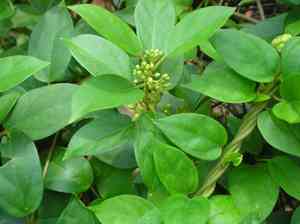
The most favorable time for relocating australian cowplant is a timeframe from mid to late spring, a season when the natural world revives, offering the perfect beginning for root establishment. Select a brightly illuminated location with fertile, adequately draining earth. Exercise caution during the transfer to protect the fragile root structure.
What Preparations are Needed Before Transplanting Australian Cowplant?
What is the Ideal Time for Transplanting Australian Cowplant?
The perfect time to move australian cowplant is during the vigorous growth of early to mid-spring. This period leverages the mild weather, allowing roots to firmly establish before summer's peak. By choosing this timeframe, australian cowplant benefits from gentle warmth and increasing daylight, crucial for its recovery and subsequent growth. The moderate conditions minimize transplant shock, encouraging strong development. Relocating australian cowplant in this suggested season supports successful establishment, as soil warmth and moisture levels are optimal for root expansion and nutrient absorption, ensuring a healthy transition.
How Much Space Should You Leave Between Australian Cowplant Plants?
When preparing to place australian cowplant in their new spot, aim for a comfortable spacing of approximately 24-36 inches (60-91 cm) apart. This provides each plant sufficient room to thrive without feeling overly confined.
What is the Best Soil Mix for Australian Cowplant Transplanting?
For australian cowplant, you'll need rich, well-draining soil. Start with a loamy base and enhance it with a balanced, slow-release fertilizer to give your australian cowplant an excellent start!
Where Should You Relocate Your Australian Cowplant?
Australian cowplant enjoys soaking up the sun, much like we do! Select a garden location that receives ample sunlight, ideally a spot that gets full sun to partial shade, to allow it to absorb those rays.
What Equipments Should You Prepare Before Transplantation Australian Cowplant?
Gardening Gloves
To safeguard your hands while handling soil and plants.
Shovel or Spade
For digging and lifting the root ball when extracting the plant from its original spot.
Garden Fork
To loosen the soil surrounding the plant's roots and assist in its removal.
Pruning Shears
To trim any damaged roots or foliage prior to transplanting.
Watering Can or Hose
For hydrating the plant after it has been transplanted.
Wheelbarrow or Plant Sled
To move the plant from one place to another without causing harm.
Stakes or Plant Supports
To stabilize australian cowplant if needed following transplantation.
How Do You Remove Australian Cowplant from the Soil?
How Do You Remove Australian Cowplant from the Soil?
From Ground: Begin by watering australian cowplant to moisten the soil, making extraction easier. Use a shovel or spade to dig a wide circle around the plant, being careful not to harm the root ball. Slide the tool underneath to gently lift the plant from the ground.From Pot: Water the australian cowplant beforehand to facilitate removal. Carefully invert the pot and tap the bottom to encourage the root ball to slide out. Support the plant by its base as you extract it.From Seedling Tray: Thoroughly moisten the soil and gently loosen it around the seedling's edges. Use a dibber or a small tool to lift the seedling out, taking care not to damage the delicate roots.
Step-by-Step Guide for Transplanting Australian Cowplant
Preparation
Gather all necessary tools and ensure the new planting site is ready as per previous instructions.
Root Ball Preservation
Carefully extract the root ball of australian cowplant from its current location, striving to keep it as intact as possible.
Transplant Hole
Dig a hole at the new site that is twice as wide and the same depth as the root ball, setting aside the removed soil for backfilling.
Plant Positioning
Place australian cowplant in the center of the hole. The top of the root ball should be level with the surrounding ground to encourage proper root development.
Fill and Tamp
Backfill the hole with the reserved soil, gently firming it around australian cowplant to eliminate air pockets and ensure good soil contact with the roots.
Initial Watering
Water australian cowplant thoroughly to settle the soil around the roots and provide essential moisture for recovery and growth.
Support Installation
If australian cowplant is tall or unstable, install stakes or plant supports at this time to help it remain upright as it adapts to its new location.
How Do You Care For Australian Cowplant After Transplanting?
Monitoring
Regularly check on australian cowplant for the initial few weeks to observe its adaptation to the new environment, noting any signs of stress like wilting or discoloration.
Mulching
Apply a layer of organic mulch around the base of australian cowplant to help maintain soil moisture and temperature, being careful to leave some space around the stem.
Support and Protection
Adjust any stakes or supports as australian cowplant grows to ensure it remains secure, and provide protection from strong winds or heavy rain when necessary.
Pruning
Trim away any dead or damaged foliage to redirect australian cowplant's energy towards healthy growth areas.
Troubleshooting Common Issues with Australian Cowplant Transplantation.
What's the best time to transplant australian cowplant?
Optimal timing is during the warmth of mid-to-late spring, promoting growth in the warming soil.
How far apart should I plant australian cowplant?
Space australian cowplant appropriately, about 24-36 inches (61-91 cm) apart, allowing room for expansion and air circulation.
Why are my australian cowplant's roots rotting after transplanting?
Root rot can result from overwatering or poorly draining soil. Ensure the soil drains well and is moist, not waterlogged.
How deep should I plant australian cowplant's rootball?
Position the rootball in a hole twice as wide and just as deep as the rootball itself, encouraging proper root spread.
What sunlight conditions does australian cowplant need after transplanting?
Post-transplant, australian cowplant thrives in full sunlight to partial shade, receiving at least 4-6 hours of daily light.
My australian cowplant is wilting post-transplant, what should I do?
Wilting can indicate stress. Ensure australian cowplant is adequately watered and consider temporary shade if excessive heat occurs until it's established.
How should I prepare the soil for australian cowplant transplant?
Enrich the soil with compost or well-rotted manure to foster a nutrient-rich environment for australian cowplant's development.
Can I transplant australian cowplant in the summer?
It's best to transplant australian cowplant during the recommended period; summer heat can cause stress to the plant.
How do I know if australian cowplant is ready for transplant?
When australian cowplant's roots fill the container but are not yet extensively circling, it's time to provide it with more space to grow.
What's the correct watering regimen post-transplant for australian cowplant?
Keep the soil around australian cowplant consistently moist, without waterlogging. Water deeply to encourage robust root development.



