How to Transplant Heaven lotus?
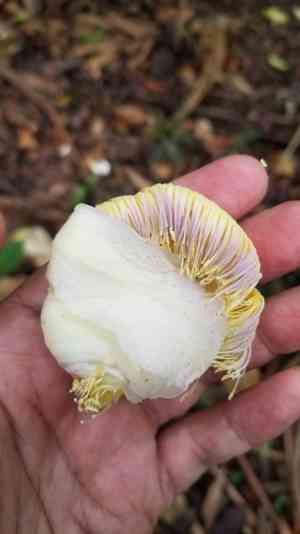
The ideal period for transplanting heaven lotus extends from early spring's emergence to the onset of summer's heat, facilitating strong root development. Select a well-lit, protected location and amend the earth to encourage peak growth. Careful manipulation enhances the likelihood of a successful transplant.
Essential Preparations Before Relocating Heaven Lotus
Optimal Period for Heaven Lotus Relocation?
The prime period for moving heaven lotus is in mid-spring, encouraging vigorous development in the warm, stable temperatures. Shifting heaven lotus at this point leverages the season's mild climate, fostering strong root development before the full intensity of summer heat. This timely transition allows heaven lotus to benefit from the longer days and increased sunlight, crucial elements for post-transplant success. Furthermore, ample spring moisture aids heaven lotus in recovering from transplant shock, setting the stage for a season of robust growth.
Recommended Spacing Between Heaven Lotus Plants?
When relocating your heaven lotus, aim for ample room, leaving approximately 15-20 feet (4.5-6 meters) between each specimen. This spacing will allow them to thrive without crowding, ensuring every heaven lotus receives sufficient nutrients and air circulation.
Preferred Soil Blend for Heaven Lotus Relocation?
For a flourishing heaven lotus, combine rich, well-draining soil with a balanced, slow-release fertilizer to prepare its new home. This thoughtful mixture provides the necessary sustenance for healthy growth from the outset. Incorporating some organic compost would also be beneficial!
Ideal New Location for Your Heaven Lotus?
Select a suitable spot for your heaven lotus that receives partial to full sunlight. The gentle morning sun is highly beneficial, avoiding the harsher afternoon rays. A location that offers some shade during peak sun hours would be absolutely perfect for your heaven lotus.
Equipment Needed Before Heaven Lotus Relocation
Gardening Gloves
To safeguard your hands while handling soil and heaven lotus.
Shovel or Spade
For excavating the plant from its original spot and preparing a new planting hole.
Garden Fork
To gently loosen the soil around the plant's root system without causing excessive harm.
Pruning Shears
To trim any damaged roots or branches.
Wheelbarrow or Tarp
For moving the heaven lotus from one site to another.
Watering Can or Hose
To hydrate the heaven lotus in its new position.
Method for Extracting Heaven Lotus from the Ground
Method for Extracting Heaven Lotus from the Ground
From Ground: Begin by watering the heaven lotus to moisten the soil. Use a shovel or spade to dig a wide, deep trench around the heaven lotus, ensuring the root ball remains intact. Carefully slide the spade beneath the root ball and gently lift it from the ground, minimizing root disturbance.From Pot: Water the soil in the container beforehand. Turn the pot on its side and gently tap to loosen the soil and roots. Slowly slide the heaven lotus out, keeping as much soil around the roots as possible. If the plant is stuck, use a garden fork to aerate the soil and aid removal.From Seedling Tray: Dampen the soil in the tray. Carefully lift the heaven lotus seedling by the base of its stem, using a small gardening tool or spoon to support the root ball and prevent root damage.
Step-by-Step Guide for Relocating Heaven Lotus
Preparation
Gather all necessary tools and ensure the new site is ready for the heaven lotus.
Removal
Follow the outlined removal procedure to carefully extract the heaven lotus from its initial location.
Transport
Place the heaven lotus onto a wheelbarrow or tarp and move it to the new spot promptly to reduce root exposure.
Hole Preparation
Dig a hole at the new location, making it twice as wide and the same depth as the root ball.
Placement
Position the heaven lotus in the center of the hole, ensuring it's at the identical depth it was previously grown at.
Refill
Carefully backfill the hole with soil, gently tamping down around the root ball to eliminate any large air pockets.
Watering
Thoroughly water the heaven lotus after planting to settle the soil and help alleviate transplant shock.
Support
Stake the heaven lotus if necessary, to ensure it remains upright and stable in its new environment.
Post-Transplant Care for Heaven Lotus
Stabilizing
Ensure the heaven lotus is well-supported and upright after relocation. If needed, stake it to prevent wind damage.
Mulching
Apply a layer of mulch around the base of the heaven lotus to help retain moisture and regulate soil temperature.
Monitoring
Observe the heaven lotus for signs of transplant shock, such as wilting or discolored leaves, and respond appropriately.
Resolving Common Issues with Heaven Lotus Relocation
What's the best time for relocating heaven lotus?
The optimal time is during mid to late spring when the weather encourages root growth.
Why are my heaven lotus's leaves wilting after relocation?
Wilting might be due to shock. Keep the soil moist and provide shade for a few days.
What is the ideal spacing between heaven lotus when relocating?
Space them 15-20 feet (4.5-6 meters) apart to allow for mature growth and air circulation.
How deep should I plant heaven lotus's roots?
The root ball should be level with the soil surface, not deeper to prevent rot.
Can I relocate heaven lotus in the fall?
It's best to stick with mid to late spring to avoid cold stress and improve root establishment.
How much should I water heaven lotus after relocating?
Water thoroughly until the root zone is moist, but avoid waterlogging the soil.
What if heaven lotus doesn't flower after relocating?
Be patient. Heaven lotus may skip a bloom cycle to establish roots. Ensure it gets full sunlight.
Can I relocate heaven lotus on a windy day?
Avoid windy days as they can quickly dry out the plant and increase transplant shock.
Do I need to prune heaven lotus before relocating?
Light pruning can help reduce stress on the roots. Remove only damaged or dead parts.
Should I fertilize heaven lotus right after relocating?
Wait a few weeks before fertilizing to avoid burning delicate, new roots.



