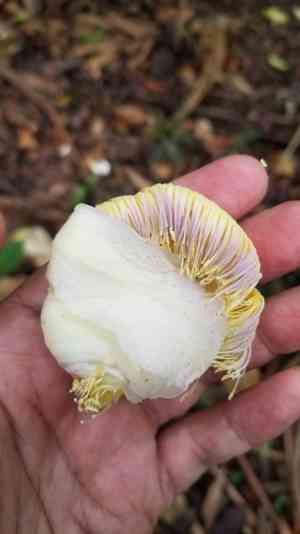
Heaven lotus (Gustavia superba)
Also known as: Sachamango
*Gustavia superba* is an understory tree native to Central and north-western South America. It is commonly known as membrillo, sachamango, and heaven lotus. This tree features a trunk that typically reaches heights of 5 to 10 meters, with its leaves forming a palm-like crown at the top.
In This Article
Attributes of Heaven lotus
Lifespan
Perennial
Plant Type
Tree
Plant Height
4.5 m to 10 m
Spread
Up to 4 meters
Leaf Color
Green
Flower Size
15 cm to 30 cm
Flower Color
White Purple Pink
Images of Heaven lotus

Quickly Identify Heaven lotus
1
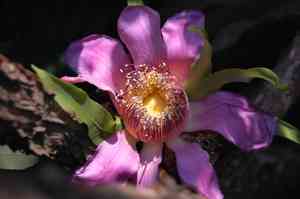
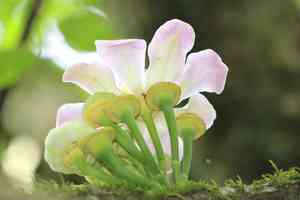
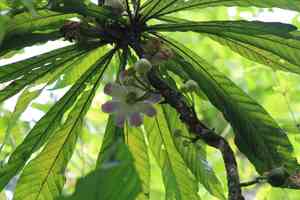
Gustavia superba can be identified by its large, leathery leaves that have a smooth margin and prominent veins. Its most distinguishing feature is the large, showy, pink or white flowers that bloom directly from the trunk.
Scientific Classification of Heaven lotus
Phylum
Vascular plants
Class
Dicotyledons
Order
Heathers and allies
Family
Brazil-nut
Genus
Gustavia
Species
Heaven lotus
Planting and Growing of Heaven lotus
Care Difficulty
Hard
Watering Schedule
Every 2 days
Sunlight Requirements
Full sun
Sunshine Duration
4-8 hours
Ideal Temperature
70-85℉
Soil Type
Potting Mix, Peat Mix
Soil pH
6.5-7.5
Fertilizer Type
Balanced
Pruning Season
Spring, Summer
Pruning Area
Branches, Leaves
Pruning Frequency
2 times a year
Repotting Season
Spring
Pot Type
Plastic, Ceramic
 How to Water Heaven lotus?
Gustavia superba prefers consistent moisture but avoids sogginess. Water thoroughly until you see water draining from the bottom of the pot, ensuring roots are evenly moistened. However, ensure the potting mix is well-draining to prevent waterlogged conditions.
What are the symptoms of an underwatered Heaven lotus?
›
What should I do if my Heaven lotus is not getting enough water?
›
What are the symptoms of an overwatered Heaven lotus?
›
How to save an overwatered Heaven lotus?
›
 What Are the Sunlight Requirements for Heaven lotus?
Partial to full sun is ideal for Gustavia superba. This range ensures it gets the sunlight needed for photosynthesis and energy production, promoting vigorous growth and numerous blooming cycles.
Optimal Light Exposure
›
Solutions for Ideal Lighting
›
Benefits of Ideal Lighting
›
 What Is the Ideal Temperature Range for Heaven lotus?
The ideal temperature range for cultivating Gustavia superba is between 70°F and 85°F. This warm climate mimics its native environment and allows the plant to thrive, promoting healthy growth and flowering.
 What Soil is Best for Heaven lotus?
Gustavia superba requires well-drained soil to prevent root rot and ensure healthy growth. Well-drained soil helps excess water escape easily, maintaining the required moisture level. This plant thrives in nutrient-rich soil, which provides essential elements necessary for vigorous growth and vibrant blooming. Regular composting can significantly improve soil nutrition. While the soil must be well-drained, it should also retain adequate moisture to sustain the plant during dry spells. A balanced moisture regime supports continuous development.
 How to Fertilize Heaven lotus?
Gustavia superba benefits from moderate fertilization. For liquid fertilizers, dilute according to the package instructions with water and use about 500ml of the prepared solution for a medium-sized plant. For slow-release fertilizers, apply approximately 50g per application, ensuring even distribution across the soil surface.
 How to Prune Heaven lotus?
Before starting the pruning process, ensure you have clean and sharp pruning shears. Clean tools help prevent disease transmission. Make sure to wear gloves to protect your hands from scratches and any potential irritants. Begin by carefully observing your Gustavia superba for any dead, damaged, or diseased branches. These should be removed first. Cut back to healthy wood or just above a node to promote better air circulation and reduce the risk of infections. Once the diseased wood is removed, shape your Gustavia superba to encourage an aesthetically pleasing and balanced form. Focus on thinning overcrowded branches, which will allow more light to penetrate the plant, stimulating vigorous growth.
More About Pruning Techniques→
 How to Propagate Heaven lotus plant?
1
Carefully collect seeds from the fruit of Gustavia superba when they are fully mature. Ensure the seeds are dry and clean before proceeding with the planting process.
2
Select healthy and mature branches from the parent plant. Use sharp pruning shears to cut 6-8 inch sections, ensuring the cut is clean to prevent tissue damage.
3
For seed propagation, sow the cleaned seeds into a sterile potting mix at a depth of 1 inch. For cuttings, insert the base into the potting mix, ensuring stability for root development.
 How to Repot Heaven lotus plant?
1
Repot Gustavia superba when roots begin to emerge from the drainage holes or when growth stagnates despite optimal conditions. This generally occurs every 1-2 years; repotting encourages healthy root development and optimal nutrient uptake.
2
Select a pot that is one size larger than the current one, with ample drainage holes to prevent waterlogging. A slightly larger pot provides room for root expansion, promoting healthy growth and reducing the risk of root rot.
3
Use a well-draining potting mix rich in organic matter. This ensures good moisture retention without water stagnation, supporting a robust root system. Look for a mix with components like perlite or sand for optimal aeration.
Learn More About Heaven lotus Diseases
Anthracnose
Bacterial Leaf Spot
Bacterial Soft Rot
Bacterial Wilt
Chemical Injury
Crown Gall
Damping-off
Downy Mildew
Drought Stress
Fusarium Wilt
Gray Mold
Leaf Curl
Leaf Spot
Mosaic
Nutrient Deficiency
Nutrient Toxicity
Powdery Mildew
Root Rot
Root-knot Nematode
Rusts
Sooty Mold
Spider Mites
Temperature Stress
Thrips Damage
White Mold



