How to Transplant Goldenweed?
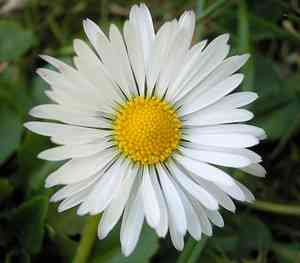
The optimal period for transplanting goldenweed spans from late spring to the onset of early summer, allowing roots to settle in mild temperatures. Place goldenweed in adequately drained ground that receives ample sunlight, thereby preserving their robustness post-relocation.
What Preparations are Needed Before Transplanting Goldenweed?
What is the Ideal Time for Transplanting Goldenweed?
The optimal period for relocating goldenweed is during the tranquil phase of late spring to early summer. This timeframe offers ideal warmth and stable conditions that encourage goldenweed's roots to establish robustly in their new location. Moving them in this season capitalizes on increasing daylight and mild weather, setting the stage for goldenweed's rapid growth. It also provides an excellent opportunity to give goldenweed a head start before the full intensity of summer heat, ensuring a strong foundation for its annual or biennial cycles.
How Much Space Should You Leave Between Goldenweed Plants?
When getting ready to transplant your goldenweed, imagine each one as a small sunburst requiring its own area. Aim to provide them with ample room by spacing them approximately 18-24 inches (45-60 cm) apart. This guarantees they have sufficient space to thrive without competing for nutrients and light.
What is the Best Soil Mix for Goldenweed Transplanting?
Goldenweed flourishes best in soil that drains well. Before transplanting, incorporate some compost or a balanced, slow-release fertilizer to create a nutrient-rich base. This aids in quicker root establishment and supports healthy development. Target a soil pH that is neutral to slightly acidic.
Where Should You Relocate Your Goldenweed?
Your goldenweed is solar-powered, enjoying ample sunshine! Select a spot that receives full sunlight for at least 6-8 hours daily. This will supply the energy goldenweed needs to grow strong and bloom beautifully, transforming your garden into a sunny sanctuary.
What Equipments Should You Prepare Before Transplantation Goldenweed?
Gardening Gloves
To safeguard your hands while handling soil and plants.
Shovel or Trowel
For excavating and moving the goldenweed's root ball.
Watering Can or Hose
To hydrate the goldenweed before and after its relocation.
Pruning Shears
For trimming any dead or excess plant parts.
Garden Fork
To loosen the soil surrounding the goldenweed's roots.
Wheelbarrow or Plant Carrier
To transport the goldenweed from its original spot to the new planting site.
Rooting Hormone (optional)
To stimulate root growth in its new environment.
How Do You Remove Goldenweed from the Soil?
How Do You Remove Goldenweed from the Soil?
From Ground: Thoroughly water the goldenweed to moisten the soil. Use a shovel to dig a wide trench around the plant, being careful not to harm the root ball. Gently lift the plant from the ground with a garden fork, keeping as much soil as possible attached to the roots.From Pot: Start by watering the goldenweed to facilitate its removal. Tilt the pot sideways and gently tap or squeeze the sides to loosen the root ball. Carefully slide the plant out while supporting its base and stems.From Seedling Tray: Water the seedlings well. Use a trowel or your fingers to carefully loosen the soil around each seedling. Lift the goldenweed seedling by its leaves, not the delicate stem, to prevent damage.
Step-by-Step Guide for Transplanting Goldenweed
Preparation
Gather all necessary tools and equipment as listed previously. Prepare the new planting area by clearing it of weeds and debris.
Removal
Follow the appropriate removal method described above to safely extract the goldenweed from its current location.
Root Pruning (if needed)
Use pruning shears to trim any damaged or overly long roots, which promotes new growth after transplanting.
Hole Digging
Dig a hole in the new spot that is twice as wide and as deep as the goldenweed's root ball to ensure ample space for root expansion.
Transplanting
Position the goldenweed in the center of the hole. Adjust its depth so the plant sits at the same level it was growing before. Backfill the hole with soil and gently press around the plant's base to eliminate air pockets.
Watering
Water the goldenweed immediately after transplanting to settle the soil and provide moisture. If using, apply a rooting hormone to the plant's base according to product instructions.
How Do You Care For Goldenweed After Transplanting?
Initial Watering
Water the goldenweed generously right after transplanting and continue to water every few days to maintain soil moisture.
Mulching
Apply a layer of mulch around the base of the goldenweed to help retain soil moisture and suppress weeds.
Pruning
Trim any dead or damaged foliage to help the goldenweed focus on establishing its roots.
Monitoring
Keep an eye on the goldenweed for signs of transplant shock, such as wilting or discolored leaves, and take action as needed.
Troubleshooting Common Issues with Goldenweed Transplantation.
When's the best time of year to transplant goldenweed?
Relocate goldenweed during the pleasant period of warm seasons, from late spring to early summer, for a smooth transition.
How far apart should I space goldenweed when transplanting?
Allow sufficient room between goldenweed by spacing them 18-24 inches (45-60 cm) apart to provide each plant with its own sunlight and nutrient supply.
What's the ideal soil for transplanting goldenweed?
For healthy goldenweed roots, select well-draining soil rich in organic matter, like a perfect gardening companion.
How should I prepare the site before transplanting goldenweed?
Enhance the site with compost and rake the soil to a fine texture, as if preparing a comfortable outdoor bed for goldenweed.
How deep should I dig the holes for goldenweed seedlings?
Let goldenweed settle into a hole just deep enough to encompass its root ball like a snug haven.
Should I water goldenweed immediately after transplanting?
Absolutely! Give goldenweed a thorough watering post-transplant to ease the relocation stress and firmly settle the soil around its roots.
How do I handle transplant shock with goldenweed?
Keep goldenweed's soil consistently moist and offer gentle support (like shade and protection) to help it recover more vigorously.
Is there a specific technique for removing goldenweed from pots?
Gently ease goldenweed from its pot, avoiding a struggle with the roots, preserving its integrity and root structure.
Could afternoon sun harm newly transplanted goldenweed?
Newly transplanted goldenweed prefers a sun shield (shade) during the intense afternoon light until it develops a summer tan (establishes itself).
What signs indicate I'm overwatering goldenweed after transplanting?
If goldenweed shows signs of distress with yellow leaves or wilting despite wet soil, it's signaling for less water.



