How to Prune Goldenweed?
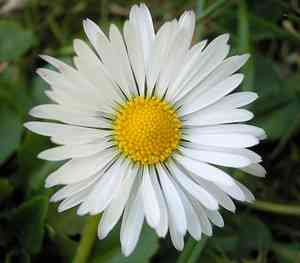
This enduring herbaceous plant, recognized for its vibrant yellow blossoms and sticky leaves, flourishes with careful trimming to foster robust development. For goldenweed, snip off spent flowers and reduce crowded sections in spring once fresh shoots emerge. Initiate summer trimming following the initial flowering period to stimulate a subsequent bloom. In autumn, lightly trim to sculpt and ready goldenweed for the colder months, excising solely lifeless or frail stalks. Pruning improves air circulation, light exposure, and may extend goldenweed's flowering duration.
What Are the Benefits of Pruning Goldenweed?
What Are the Benefits of Pruning Goldenweed?
Trimming goldenweed promotes robust development and helps maintain its form, ensuring a dense and visually appealing structure. It eliminates dead or weak stalks, fostering a strong framework and enhancing the plant's overall vitality.
What Is the Best Time for Pruning Goldenweed?
What Is the Best Time for Pruning Goldenweed?
Pruning in late Spring allows goldenweed to recover quickly due to active growth during this period, enhancing the plant's robustness. Early Summer pruning is ideal for shaping goldenweed and controlling its size after the spring growth spurt, while avoiding heat stress. Fall pruning should be minimal, focusing on removing dead or diseased parts to prepare goldenweed for winter and prevent decay that can be worsened by moisture and cold.
What Tools Do I Need to Prune Goldenweed?
Hand Pruners
Goldenweed is a hardy perennial that can be kept neat and manageable with regular pruning. Hand pruners are ideal for cutting back small stems and deadheading spent flowers, which helps promote new growth and prevent self-seeding if undesired.
Shears
For shaping and trimming the bulk of goldenweed and maintaining the desired size, sharp shears will make clean cuts through the plantâs foliage without causing undue stress or damage.
Gloves
When pruning goldenweed, wearing gloves is advisable to protect your hands from the resinous sap which might be irritating to some skin types.
Loppers
If goldenweed has developed thicker, woody stems, loppers may be necessary. These will allow you to remove larger stems with diameters greater than what hand pruners can typically handle.
Pruning Saw
In cases where goldenweed has matured and formed very thick stems, a pruning saw might be necessary for making precise and clean cuts without damaging the plant.
How to Prune Goldenweed
Clean pruning tools
Prepare sanitized and sharp pruning shears by disinfecting them to prevent the spread of disease to goldenweed.
Identify withered leaves
Examine goldenweed closely to identify all withered leaves for removal, ensuring healthy growth and a tidy appearance.
Trim withered leaves
Carefully snip the withered leaves at the base of their stem, making clean cuts without damaging nearby healthy foliage of goldenweed.
Dispose trimmed material
Collect and properly dispose of all trimmings from goldenweed to avoid any potential disease or pest harboring.
Post prune cleanup
Clean your tools again after use and monitor goldenweed for any signs of stress to ensure successful recovery after trimming.
Common Pruning Mistakes with Goldenweed
Overpruning
Reducing the size of goldenweed by more than one-third can stress the plant, potentially leading to reduced flowering and vigor.
Blunt tools
Using dull or unclean pruning shears can damage the stems of goldenweed and introduce disease.
Improper cut location
Cutting too far from a bud or node may result in dead stubs, whereas cutting too close can damage the budding area.
Removing too much old wood
Excessively cutting away old wood can remove established growth that's necessary for the next season's blooms.
Neglecting disease control
Failing to remove diseased, damaged, or dead material can hinder goldenweed's health and aesthetic appeal.
Common Pruning Tips for Goldenweed
Sharp tools
Ensuring that pruning tools are sharp and clean before starting will result in cleaner cuts and reduce the risk of disease.
Angled cuts
Making cuts at a 45-degree angle away from a node or bud promotes water run-off and helps prevent disease.
Selective pruning
Carefully select which stems to prune to shape the plant, and encourage new growth, focusing on removing only what's necessary.
Prune for aeration
Thin out crowded areas to improve air circulation, which can help deter fungal diseases and promote healthier goldenweed plants.
Post-pruning care
Providing goldenweed with adequate water and fertilizer after pruning can support recovery and encourage vigorous growth.



