How to Transplant Sandpaper raisin?
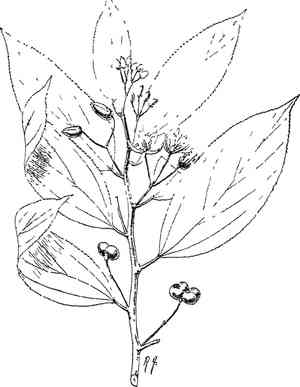
Relocate sandpaper raisin when it's most active, from late spring through early summer, to guarantee its establishment. Select a bright, adequately drained location to preserve its strength. Nurturing sandpaper raisin's root system attentively ensures a smooth adaptation.
What Preparations are Needed Before Transplanting Sandpaper Raisin?
What is the Ideal Time for Transplanting Sandpaper Raisin?
The best time to move sandpaper raisin is during its period of active growth and renewal, typically from late spring until the start of summer. Moving sandpaper raisin at this vibrant time helps roots establish better, aligning with the plant's natural growth cycle for strong health. This timing ensures sandpaper raisin adapts without stress, thriving in its new spot with warm soil and longer days aiding its transition.
How Much Space Should You Leave Between Sandpaper Raisin Plants?
When rehousing sandpaper raisin, aim for a spacing of 3.3-6.6 feet, which is roughly 1-2 meters. This provides ample room for each plant to develop and flourish without being crowded.
What is the Best Soil Mix for Sandpaper Raisin Transplanting?
Sandpaper raisin prefers to root in well-draining, loamy soil. Before transplanting, enrich the soil with quality compost or a balanced slow-release fertilizer to give it a robust start.
Where Should You Relocate Your Sandpaper Raisin?
Your sandpaper raisin loves sunlight! Choose a location where it can receive full sun exposure for most of the day. This will help ensure your sandpaper raisin gets the energy it needs to grow beautifully.
What Equipments Should You Prepare Before Transplantation Sandpaper Raisin?
Gardening Gloves
To safeguard your hands while handling soil and plants.
Shovel or Spade
For excavating the ground and lifting the plant.
Watering Can or Hose
To hydrate the plant before and after its relocation.
Pruning Shears
To trim any damaged roots or branches prior to moving.
Wheelbarrow or Plant Dolly
To move the plant from its original spot to the new site.
Mulch
To assist in retaining soil moisture post-planting.
Measuring Tape
To gauge the necessary space for the root ball in its new position.
Plant Support Stakes
To stabilize the plant if needed after transplanting.
How Do You Remove Sandpaper Raisin from the Soil?
How Do You Remove Sandpaper Raisin from the Soil?
From Pot: Thoroughly water the sandpaper raisin to moisten the soil, making extraction easier. Gently tap the pot's sides and invert it, supporting the plant as it slides out. If root-bound, carefully separate the roots. From Seedling Tray: Water the seedlings to dampen the soil. Use a spoon or dibber to carefully lift each plant. Be cautious not to harm the young plants' delicate roots and shoots. From Ground: Begin by watering the sandpaper raisin around its base to moisten the soil. Dig a circle with a 12-18 inch radius from the stem, then use a shovel or spade to lift the plant, ensuring a generous amount of soil remains attached to the root system.
Step-by-Step Guide for Transplanting Sandpaper Raisin
Dig Hole
Excavate a hole in the new spot that is twice as wide and roughly the same depth as the sandpaper raisin's root ball.
Inspect Roots
Examine the sandpaper raisin's roots and snip off any broken or unhealthy sections using pruning shears.
Position sandpaper raisin
Center the sandpaper raisin in the hole, ensuring it stands upright. The top of the root ball should be level with the ground surface.
Refill Hole
Carefully backfill the hole with soil, gently pressing it around the roots to eliminate any air pockets.
Water Thoroughly
Water the sandpaper raisin to fully saturate the root zone and settle the soil. This also helps remove any remaining air gaps.
Add Mulch
Apply a layer of mulch around the base of the sandpaper raisin, keeping it away from the stem, to conserve moisture and reduce weed growth.
Provide Support
If the sandpaper raisin seems unstable or top-heavy, insert plant support stakes into the ground and loosely tie them to the plant for added stability.
How Do You Care For Sandpaper Raisin After Transplanting?
Initial Watering
Water the sandpaper raisin deeply right after transplanting, then ensure consistent watering, especially during dry spells, to aid its establishment.
Monitoring
Observe your sandpaper raisin for indications of stress, such as wilting or discolored foliage, and intervene if necessary.
Pruning
Trim any dead or damaged branches to redirect energy to the roots and encourage healthy development.
Staking
Continue to check and adjust support stakes as the sandpaper raisin grows to prevent damage from wind or weight.
Refrain from Fertilizing
Avoid applying fertilizer to the sandpaper raisin immediately after transplanting to prevent root burn and allow the plant to acclimate to its new surroundings.
Troubleshooting Common Issues with Sandpaper Raisin Transplantation.
How do I know when to transplant my sandpaper raisin?
Aim to transplant sandpaper raisin when late spring warmth greets the soil, usually between mid-spring to early summer.
How far apart should I space my sandpaper raisin plants?
Space your sandpaper raisin plants 3-6 feet (1-2 meters) apart to ensure they have enough room to thrive.
Can I transplant sandpaper raisin on a hot sunny day?
Transplant sandpaper raisin on an overcast day or in the late afternoon to prevent transplant shock from heat.
How deep should the hole be for transplanting sandpaper raisin?
Dig a hole twice as wide and the same depth as the root ball to encourage proper root growth.
Why are my transplanted sandpaper raisin plants wilting?
Wilting post-transplant is common; ensure consistent watering and provide shade to mitigate stress and support recovery.
How much should I water sandpaper raisin after transplanting?
Water thoroughly after transplanting, then maintain moist soil, especially during the first few weeks of settling in.
Should I use fertilizer when transplanting sandpaper raisin?
Hold off on fertilizer until your sandpaper raisin has established. Then, a balanced, slow-release fertilizer can boost growth.
What soil condition is best for transplanting sandpaper raisin?
Well-draining soil rich in organic matter creates an optimal bed for your sandpaper raisin to spread its roots.
How do I handle rootbound sandpaper raisin during transplanting?
Gently tease apart the roots or slice the root ball in a few places to encourage outward growth.
Can I prune sandpaper raisin during transplanting?
Light pruning of damaged or lengthy stems is fine, but save major pruning for when the plant is established.



