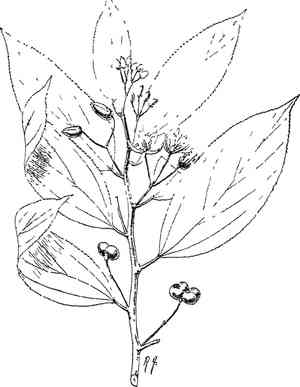
Sandpaper raisin (Grewia flavescens)
Also known as: Donkeyberry, Square-stemmed raisin
The name "sandpaper raisin" is derived from the coarse, sandpaper-like texture of its leaves and young stems. This small tree is also known for its bright yellow flowers, which feature a prominent cluster of long stamens. Its fruits serve as a food source for a variety of wildlife, including birds, baboons, warthogs, and antelope.
In This Article
Attributes of Sandpaper raisin
Lifespan
Perennial
Plant Type
Shrub
Plant Height
5 m
Spread
Approximately 1 to 2 meters
Leaf Color
Green
Flower Size
1 to 2 centimeters
Flower Color
Yellow
Images of Sandpaper raisin
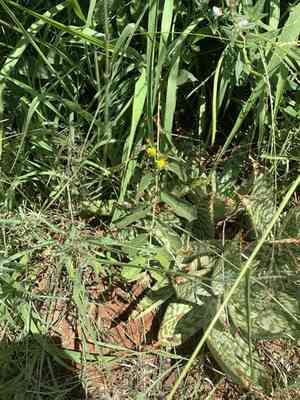
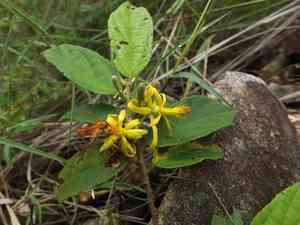
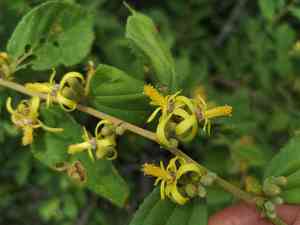
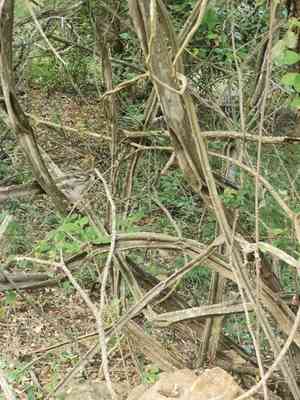
Quickly Identify Sandpaper raisin
1
Grewia flavescens can be identified by its distinctive sandpaper-like leaves which are rough to the touch. The flowers are small, typically yellowish or light-colored, and the fruits are small, round, and often turn a purplish-black when mature.
Scientific Classification of Sandpaper raisin
Phylum
Vascular plants
Class
Dicotyledons
Order
Malvales
Family
Mallow
Genus
Grewia
Species
Sandpaper raisin
Planting and Growing of Sandpaper raisin
Care Difficulty
Moderate
Watering Schedule
Every 4 days
Sunlight Requirements
Full sun
Sunshine Duration
6-10 hours
Ideal Temperature
68-77℉
Soil Type
Potting Mix, Peat Mix
Soil pH
6.5-7.5
Fertilizer Type
Balanced
Pruning Season
Spring, Summer
Pruning Area
Branches, Leaves
Pruning Frequency
2 times a year
Repotting Season
Spring
Pot Type
Plastic, Ceramic
 How to Water Sandpaper raisin?
Grewia flavescens thrives best when watered deeply but infrequently. Ensure the soil is thoroughly moistened but not waterlogged by providing approximately 500ml per watering. This amount allows water to reach the deep roots, promoting a healthy, robust growth without causing excess water to collect at the roots.
What are the symptoms of an underwatered Sandpaper raisin?
›
What should I do if my Sandpaper raisin is not getting enough water?
›
What are the symptoms of an overwatered Sandpaper raisin?
›
How to save an overwatered Sandpaper raisin?
›
 What Are the Sunlight Requirements for Sandpaper raisin?
Grewia flavescens thrives in conditions ranging from full sun to partial sun. These conditions promote efficient photosynthesis, which enhances plant vigor and flowering. Optimal light exposure fosters a healthy, lush growth habit essential for plant development.
What is the best lighting condition?
›
How to achieve ideal lighting?
›
What are the benefits of ideal lighting?
›
 What Is the Ideal Temperature Range for Sandpaper raisin?
The optimal temperature range for Grewia flavescens to thrive is between 68°F and 77°F. Within this range, the plant's metabolic processes are at their most efficient, supporting healthy growth, flowering, and overall vitality. Temperatures above or below this range can lead to stress and reduced growth rates.
 What Soil is Best for Sandpaper raisin?
Grewia flavescens thrives in well-drained soils as it prevents root rot and ensures optimal growth. Well-drained soil aids in proper aeration and moisture retention, crucial for root health. This plant flourishes in nutrient-rich soils that provide essential minerals and nutrients, promoting robust growth and enhancing flowering potential. A soil that retains moderate moisture is ideal, as consistent moisture levels support steady growth while avoiding waterlogging that can harm roots.
 How to Fertilize Sandpaper raisin?
For Grewia flavescens, apply liquid fertilizer at a rate of one teaspoon per gallon of water. This is a gentle approach to ensure that the plant receives balanced nutrients without the risk of over-fertilization, enhancing its natural growth cycles.
 How to Prune Sandpaper raisin?
Begin by assessing the plant's overall structure. Look for dead, diseased, or damaged branches and remove them first. This helps maintain the plant's health and encourages new growth. After the initial clean-up, focus on shaping the plant for aesthetic purposes. Trim back excessive growth to maintain a neat appearance. Thinning congested branches can allow more light to penetrate and improve air circulation. Once pruning is complete, water the plant well to help it recover. Applying a balanced fertilizer can aid in promoting new growth and maintaining vitality.
 How to Propagate Sandpaper raisin plant?
1
Choose healthy stems from the parent plant that show no signs of disease or damage. The cutting should ideally be young and semi-woody as these are more likely to root successfully. Cut the stem at a 45-degree angle to increase the surface area for root development.
2
Use a well-draining potting mix to plant the cuttings. A mixture of perlite and peat moss is ideal as it retains moisture yet provides good drainage. Ensure the soil is slightly moist to help the cutting settle well.
3
Dip the cut end of the stem into the rooting hormone, then plant it into the prepared potting mix. Ensure the soil is packed gently around the stem to support it upright. Place the pot in an area with bright, indirect sunlight for optimal growth.
 How to Repot Sandpaper raisin plant?
1
Grewia flavescens requires repotting when you notice roots emerging from the drainage holes or when growth seems stunted despite optimal conditions. This indicates that the plant is root-bound and needs more space.
2
Select a pot that is 2 inches larger in diameter than the current one. The pot should have good drainage to prevent waterlogging, which can lead to root rot. Using a slightly larger pot also reduces the stress of excessive root disturbance.
3
Opt for a well-draining potting mix with a blend of sand, peat, and perlite. This mix provides adequate aeration and mimics the plant's natural habitat, promoting healthy root growth and preventing water retention.
Learn More About Sandpaper raisin Diseases
Anthracnose
Bacterial Leaf Spot
Bacterial Wilt
Crown Gall
Damping-off
Downy Mildew
Drought Stress
Fusarium Wilt
Gray Mold
Leaf Curl
Leaf Spot
Mosaic
Nutrient Deficiency
Nutrient Toxicity
Powdery Mildew
Root Rot
Root-knot Nematode
Rusts
Sooty Mold
Spider Mites
Temperature Stress
Thrips Damage
White Mold



