How to Transplant Clammy hedge-hyssop?
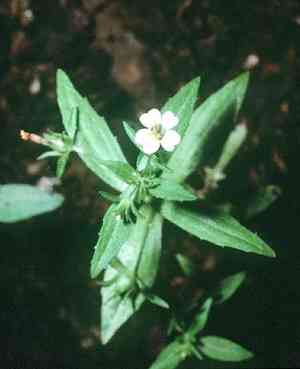
The perfect period for relocating clammy hedge-hyssop spans from the beginning of early spring through late spring, or alternatively, during the latter part of autumn. Select a bright spot featuring damp earth to encourage peak development. Guarantee adequate distance between plants and steer clear of overly saturated ground for effective rooting.
What Preparations are Needed Before Transplanting Clammy Hedge-hyssop?
What is the Ideal Time for Transplanting Clammy Hedge-hyssop?
The best time to move clammy hedge-hyssop is from early to late spring or late autumn. This timing allows the plant to develop roots before intense summer heat or survive winter dormancy, improving its chances of survival and growth. Transplanting during these seasons reduces stress, helping clammy hedge-hyssop adapt well to its new location.
How Much Space Should You Leave Between Clammy Hedge-hyssop Plants?
When relocating clammy hedge-hyssop, ensure each plant is spaced 12-18 inches (30-45 cm) apart. This provides ample room for growth and prevents competition for resources.
What is the Best Soil Mix for Clammy Hedge-hyssop Transplanting?
For clammy hedge-hyssop, prepare soil that drains well, ideally a sandy loam mixture. Enhance the soil with a balanced fertilizer, such as a 10-10-10 NPK formula, to supply essential nutrients for robust development.
Where Should You Relocate Your Clammy Hedge-hyssop?
Select a sunny location for transplanting clammy hedge-hyssop, where the plant can receive at least 6 hours of direct sunlight daily. This will ensure it flourishes and produces beautiful blooms.
What Equipments Should You Prepare Before Transplantation Clammy Hedge-hyssop?
Gardening Gloves
To protect your hands while handling soil and plants.
Small Trowel
For digging around the plant in its original spot.
Spade or Shovel
For excavating the new planting hole.
Watering Can or Hose
To hydrate the plant before and after relocation.
Wheelbarrow (optional)
For moving the plant if it's large and the distance is significant.
Pruners or Scissors
For trimming any dead or damaged roots.
How Do You Remove Clammy Hedge-hyssop from the Soil?
How Do You Remove Clammy Hedge-hyssop from the Soil?
From Ground: First, water the clammy hedge-hyssop plant to moisten the soil. Next, dig a wide trench around the plant using a shovel or spade, making sure the plant's root ball stays intact. Carefully work the spade beneath the root ball to lift the plant from its initial position.From Pot: Water the clammy hedge-hyssop plant to ensure the soil is damp. Gently tap the pot's sides to loosen the soil. Carefully invert the pot while supporting the plant with your other hand. If needed, lightly squeeze the pot to release the root ball.From Seedling Tray: Water the clammy hedge-hyssop plant so the soil is moist. Use a small trowel or your fingers to gently lift each seedling from the tray, ensuring you support the root ball and try to keep as much soil around the roots as possible.
Step-by-Step Guide for Transplanting Clammy Hedge-hyssop
Site Preparation
Choose a spot that will offer the necessary conditions for your clammy hedge-hyssop plant to thrive. Dig a hole that is twice as wide and as deep as the plant's root ball.
Prepare the Plant
If any roots are circling the root ball, gently untangle them to encourage outward growth. Trim any damaged or dead roots with pruners.
Transplanting
Place the clammy hedge-hyssop plant in the hole, ensuring the top of the root ball is level with the surrounding ground. Fill the hole with soil, gently firming it around the root ball to remove air pockets.
Watering
Thoroughly water the plant immediately after transplanting to settle the soil around the roots. Continue watering until the ground is moist but not waterlogged.
Mulching
Apply a layer of mulch around the plant's base to help retain soil moisture and regulate temperature. Keep mulch a few inches away from the stem to prevent rot.
How Do You Care For Clammy Hedge-hyssop After Transplanting?
Watering
Keep the soil around the clammy hedge-hyssop consistently moist, but not waterlogged, for the first few weeks after transplanting to help establish strong roots.
Monitoring
Watch for any signs of transplant shock such as wilting or yellowing leaves. If observed, ensure proper watering and avoid fertilizing until the plant stabilizes.
Weeding
Regularly remove any weeds around the plant base to reduce competition for nutrients and water.
Protection
Protect the plant from strong winds or pests by using garden supports or appropriate protections.
Troubleshooting Common Issues with Clammy Hedge-hyssop Transplantation.
When is the best time to transplant clammy hedge-hyssop?
Early to late spring or late fall are ideal times for relocating clammy hedge-hyssop.
How should I prepare the soil for clammy hedge-hyssop?
Use well-draining soil mixed with compost to enrich nutrients and improve soil texture.
What spacing is best for clammy hedge-hyssop transplants?
Space clammy hedge-hyssop plants 12-18 inches (30-45 cm) apart to ensure optimal growth and air circulation.
How deeply should I plant clammy hedge-hyssop during transplanting?
Plant clammy hedge-hyssop at the same depth it was growing previously to reduce transplant shock.
What should I do if the leaves turn yellow after transplanting clammy hedge-hyssop?
Ensure adequate watering and check for signs of transplant shock, adjusting as needed.
How much should I water clammy hedge-hyssop after transplanting?
Water thoroughly after transplanting, keeping the soil consistently moist but not waterlogged.
Should I apply any fertilizer when transplanting clammy hedge-hyssop?
A balanced organic fertilizer can be applied to encourage root establishment and growth.
What steps can help reduce transplant shock for clammy hedge-hyssop?
Water well, avoid disturbing roots, and transplant during cooler parts of the day.
Can I transplant clammy hedge-hyssop on a hot, sunny day?
Itâs best to transplant clammy hedge-hyssop during cooler, overcast days to minimize stress.
How do I know if clammy hedge-hyssop is successfully established after transplanting?
Healthy new growth and the absence of wilting are good signs of successful establishment.



