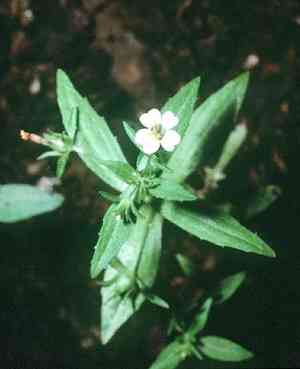
Clammy hedge-hyssop (Gratiola neglecta)
Also known as: Hedge Hyssop, Clammy Hedge-Hyssop
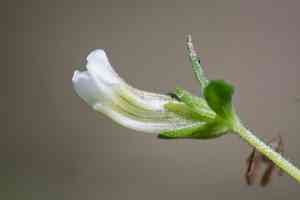
The plant features lanceolate to oval leaves positioned opposite each other along the stem. These leaves can reach up to 5 centimeters in length and may have toothed margins. The flowers are organized in a raceme, comprising nearly cylindrical, tubular, whitish blossoms, each approximately 1 centimeter in length. Surrounding the base of each flower is a fringe of five pointed sepals. The fruit is a round capsule measuring about 0.5 centimeters in diameter.
In This Article
Attributes of Clammy hedge-hyssop
Lifespan
Annual
Plant Type
Herb
Plant Height
10 cm to 30 cm
Spread
5-20 cm
Leaf Color
Green
Flower Size
0.5-1 cm
Flower Color
White with purple spots
Images of Clammy hedge-hyssop
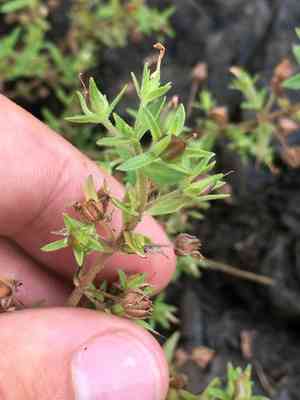
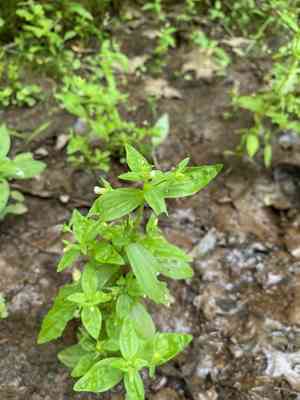
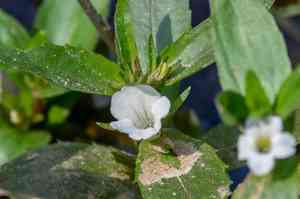
Quickly Identify Clammy hedge-hyssop
1
Identify Gratiola neglecta by its lanceolate, opposite leaves, and small, tubular flowers that are typically white with purple spots. The plant tends to grow in moist soil and forms low mats.
Scientific Classification of Clammy hedge-hyssop
Phylum
Vascular plants
Class
Dicotyledons
Order
Lamiales
Family
Plantain
Genus
Gratiola
Species
Clammy hedge-hyssop
Planting and Growing of Clammy hedge-hyssop
Care Difficulty
Moderate
Watering Schedule
Every 4 days
Sunlight Requirements
Partial sun
Sunshine Duration
4-8 hours
Ideal Temperature
60-75℉
Soil Type
Potting Mix, Peat Mix
Soil pH
6.5-7.5
Fertilizer Type
Balanced
Pruning Season
Spring, Summer
Pruning Area
Branches, Leaves
Pruning Frequency
2 times a year
Repotting Season
Spring
Pot Type
Plastic, Terracotta
 How to Water Clammy hedge-hyssop?
For Gratiola neglecta, the goal is to keep the soil consistently moist, yet not waterlogged. Aim for approximately 250 milliliters of water per session, ensuring the top inch of the soil is wet but not too soggy. Check the soil moisture regularly to avoid any risk of root rot.
What are the symptoms of an underwatered Clammy hedge-hyssop?
›
What should I do if my Clammy hedge-hyssop is not getting enough water?
›
What are the symptoms of an overwatered Clammy hedge-hyssop?
›
How to save an overwatered Clammy hedge-hyssop?
›
 What Are the Sunlight Requirements for Clammy hedge-hyssop?
Partial sun is optimal for Gratiola neglecta, providing balanced light exposure without harsh midday sun. Ideal lighting conditions ensure robust foliage and prolific flowering, promoting plant vitality and resilience.
What is the optimal sunlight for Gratiola neglecta?
›
How can you achieve the ideal lighting for this plant?
›
What benefits does ideal lighting provide to Gratiola neglecta?
›
 What Is the Ideal Temperature Range for Clammy hedge-hyssop?
Gratiola neglecta thrives best within a temperature range of 60°F to 75°F. This range supports optimal growth, encouraging robust plant health and flowering. It's important to maintain consistent temperatures within this range to ensure successful cultivation.
 What Soil is Best for Clammy hedge-hyssop?
Gratiola neglecta thrives in soil that retains moisture well without becoming waterlogged. This ensures the plant receives sufficient hydration, which promotes healthy growth and vibrant foliage. The plant benefits from a nutrient-rich soil, providing essential minerals and organic matter that fuel robust root and stem development. This aids in the plant’s resilience and flower production. Soil with good aeration prevents root rot and allows for efficient gas exchange. This encourages healthy root systems and overall plant vitality.
 How to Fertilize Clammy hedge-hyssop?
Gratiola neglecta, also known as the clammy hedgehyssop, thrives in nutrient-rich conditions. However, over-fertilization can stress the plant. Use a balanced liquid fertilizer diluted to half-strength once a month during the growing season, providing adequate nutrients without overwhelming the plant.
 How to Prune Clammy hedge-hyssop?
Use clean, sharp scissors or pruning shears to make precise cuts. Ensure tools are sanitized to avoid spreading diseases. Carefully examine the plant for dead or damaged stems, and trim these to promote healthy growth. Also, look for branches that are overcrowding. Start pruning from the top, working your way down. Remove about one-third of the length of overgrown shoots, making cuts just above a leaf node.
More About Pruning Techniques→
 How to Propagate Clammy hedge-hyssop plant?
1
Collect seeds from mature Gratiola neglecta plants in late summer when the seed pods have dried. Ensure to dry the seeds thoroughly before storage to prevent mold or decay during the off-season.
2
Use a sterilized pruning shear to take 4-6 inch cuttings from a healthy plant during the growing season. Remove all leaves from the lower third of the cutting to reduce water loss during the rooting process.
3
Plant the seeds in a seed tray filled with a quality seed-starting mix. For cuttings, dip the cut ends in rooting hormone before placing them in a pot with well-draining soil mix. Water the soil lightly to encourage root establishment.
 How to Repot Clammy hedge-hyssop plant?
1
Gratiola neglecta exhibits signs of needing repotting when its roots become visible through the drainage holes or it shows stunted growth despite proper care. Ideally, repotting should take place during its active growing seasons, such as spring or early summer, to minimize stress and encourage recovery.
2
Select a pot one size larger than the current one, with ample drainage holes. This ensures that excess water can escape, preventing root rot. The slightly increased size gives roots space to expand, promoting healthier growth and stability for the plant.
3
Choose a nutrient-rich, well-draining soil mixture to provide an optimal environment for Gratiola neglecta. This type of soil retains necessary moisture while allowing for air circulation, preventing waterlogged roots and ensuring the plant receives adequate nutrition.
Toxicity
Ingestion
WARNING
The judgment on toxicity and danger is for reference only. We DO NOT GUARANTEE any accuracy of such judgment. Therefore, you SHALL NOT rely on such judgment. It is IMPORTANT TO SEEK PROFESSIONAL ADVICE in advance when necessary.
Learn More About Clammy hedge-hyssop Diseases
Anthracnose
Bacterial Leaf Spot
Bacterial Soft Rot
Bacterial Wilt
Black Spot
Chemical Injury
Cyst Nematode
Damping-off
Downy Mildew
Drought Stress
Fusarium Wilt
Gray Mold
Leaf Curl
Leaf Spot
Mosaic
Nutrient Deficiency
Nutrient Toxicity
Powdery Mildew
Root Rot
Root-knot Nematode
Rusts
Sooty Mold
Spider Mites
Temperature Stress
Thrips Damage
White Mold



