How to Transplant Levant cotton?
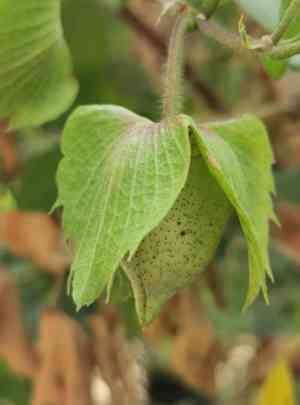
The most favorable period for relocating levant cotton is during the pleasant warmth of late spring, which encourages vigorous development. Select a bright, adequately drained spot and carefully move the plant, allowing ample room for its spread. A gentle suggestion: cultivate with attention, as its growth is rapid but fragile.
Essential Preparations Before Moving Levant Cotton
Optimal Timing for Relocating Levant Cotton?
The best time to move levant cotton is during the pleasant period of mid to late spring. This timeframe allows levant cotton's root system to settle in warm earth, promoting a strong beginning. Ensuring levant cotton is established during these mild days fosters vigorous development, as the moderate climate lessens transplant shock, paving the way for abundant flowers. Additionally, relocating levant cotton during this season aligns perfectly with its natural growth cycle, helping you work with nature for the best outcomes.
Recommended Spacing Between Levant Cotton Plants?
When preparing to move your levant cotton, aim to leave approximately 2-3 feet (60-90cm) of space between each plant. This will provide ample room for each to develop healthily and robustly.
Ideal Soil Mixture for Levant Cotton Relocation?
For optimal growth, prepare the soil with a foundation of well-rotted organic material. Levant cotton thrives in slightly acidic soil with a pH between 6.0 and 6.5. And remember to incorporate an all-purpose granular fertilizer into your planting hole.
Choosing the New Location for Your Levant Cotton?
Selecting the perfect spot for your levant cotton is vital – it loves a sunny environment! Ensure the plant receives full sun exposure for most of the day for peak development.
Tools Required Before Transplanting Levant Cotton
Trowel
Utilize a gardening Trowel to effortlessly excavate holes and extract the plant from its initial position.
Gardening Gloves
To safeguard your hands while handling the soil and levant cotton.
Gardening Spade
To efficiently dig a larger cavity for the levant cotton plant in its new spot.
Garden pruners
These will be useful if there are tough roots or stems that require trimming.
Watering Can
Necessary for hydrating the plant during and after the relocation process.
Gardening Knife
Aids in gently separating roots if plants are growing too close together.
Compost
To supply vital nutrients to the soil for the healthy growth of levant cotton.
How to Extract Levant Cotton from the Ground
How to Extract Levant Cotton from the Ground
From Ground: First, hydrate the levant cotton plant to moisten the soil. This can help to loosen the plant easily. Using a trowel or a gardening spade, carefully dig a circle around the plant, ensuring the root ball remains intact. Gently work the tool beneath the root ball and lift the plant from its original spot.From a Pot: If the levant cotton plant is in a container, water it thoroughly. Place your hand on the soil surface with the stem between your fingers. Invert the pot and gently tap it until the plant and root ball slide out. Be careful not to pull or harm the stem or roots.From a Seedling Tray: Water your seedling tray, then use a gardening knife or a small spoon to carefully scoop out individual levant cotton seedlings, taking care not to damage the delicate roots.
Step-by-Step Guide for Relocating Levant Cotton
Preparation
Determine the appropriate time for relocation. For optimal outcomes, it's advisable to move levant cotton in early spring or fall. The plant should not be actively growing during this period.
Dig the Hole
Use a spade to excavate a hole in the new location. The hole should be wider and deeper than the root ball of the levant cotton.
Prepare the Plant
Trim any dead or unhealthy roots from the plant using garden pruners.
Transplant
Gently place levant cotton in the new hole. Ensure the top of the root ball is level with or slightly below the ground surface. Backfill the hole with soil, applying pressure to eliminate air pockets.
Water
Immediately after transplanting, thoroughly water the levant cotton. This will help the soil settle around the roots.
Post-Transplant Care for Levant Cotton
Watering
Immediately after transplanting, thoroughly water the levant cotton. This aids in settling the soil around the relocated root ball. Water it regularly in the subsequent weeks, but avoid waterlogging the ground, as this can lead to rot and disease.
Monitor
Observe the levant cotton for several weeks and watch for any signs of shock, which might appear as wilting, yellowing, and dropping leaves. If such signs occur, ensure the plant is adequately watered and consider using a root-promoting fertilizer or compost additions to aid recovery.
Pruning
Lightly prune the levant cotton after transplanting to reduce stress on the plant. Also, remove any flowers or fruits, as these can divert energy that the plant needs to establish its roots.
Position it correctly
Avoid abrupt changes in temperature, humidity, or light exposure to help the levant cotton plant recover faster from the transplant.
Addressing Common Issues with Levant Cotton Relocation.
What's the best time of year to move levant cotton?
The ideal time to move levant cotton is between S2-S3. This provides the plant with the best conditions for establishing strong roots.
How much space does levant cotton need when relocating?
When relocating, give levant cotton a space of about 2-3 feet (60-90 cm). This allows ample room for spread and growth.
What to do if levant cotton wilts after relocation?
Wilting after relocation can be due to transplant shock. Reduce direct sunlight exposure, water regularly but avoid overwatering, and wait patiently.
How deep should levant cotton be planted?
Dig a hole deep enough to cover the root ball of levant cotton. The top of the root ball should be at soil level, not below it.
What are the indicators of successful relocation of levant cotton?
Successful relocation is indicated by new foliage and blossoms. If levant cotton starts producing these, you did an excellent job.
What kind of soil does levant cotton prefer when relocating?
Levant cotton prefers well-drained, fertile soil. If your soil is heavy clay or sandy, amend it with compost or organic matter to improve its structure.
What care instructions should I follow after relocating levant cotton?
After relocating levant cotton, water it thoroughly, and continue to water regularly. Monitor the plant's growth and adjust care as needed, considering its preference for sunlight and available nutrition.
Why is my relocated levant cotton not growing?
Growth could be slow due to insufficient light, water, nutrition, or the plant may still be adjusting to the new location. Patience is key.
Should I fertilize levant cotton immediately after relocating?
Wait a few weeks before you fertilize relocated levant cotton. It needs time to recover from the stress of relocation before handling the strong nutrients of fertilizer.
How should I water levant cotton post-relocation?
Water levant cotton thoroughly after relocation, then establish a regular watering routine. Keep the soil consistently moist but not waterlogged.



