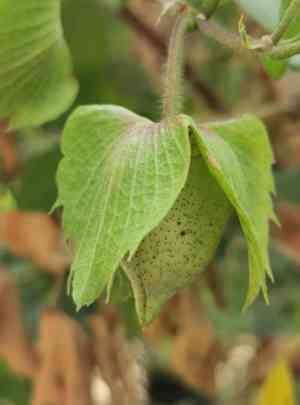
Levant cotton (Gossypium herbaceum)
Also known as: Syrian Cotton, Wild Cotton, Arabian cotton, Short-staple cotton
Levant cotton (Gossypium herbaceum) is a shrub indigenous to Africa and the Middle East. When its seed pods mature, they split open to expose cotton fibers. These fibers are harvested and spun into yarn, which is then employed in the production of various textiles and garments. While its fibers are shorter and coarser than those of other cotton types, Levant cotton is typically used for making durable fabrics like denim, canvas, and certain industrial textiles. It can also be blended with other cotton varieties to enhance the texture and quality of the final product.
In This Article
Attributes of Levant cotton
Lifespan
Perennial, Annual
Plant Type
Herb
Plant Height
61 cm to 1.8 m
Spread
90 cm to 1.8 m
Leaf Color
Green Red
Flower Size
5 cm to 7 cm
Flower Color
Yellow Pink White Purple
Images of Levant cotton
Quickly Identify Levant cotton
1
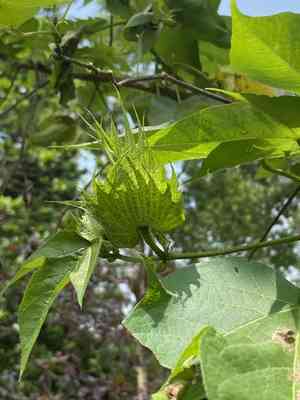
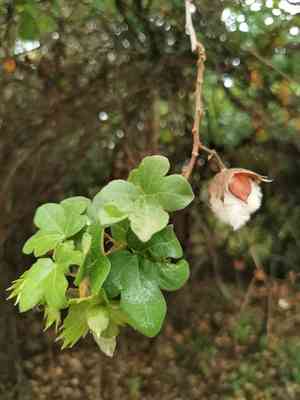
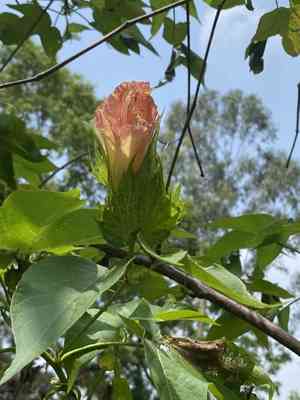
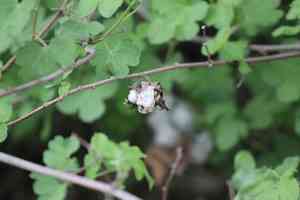
Gossypium herbaceum can be identified by its shrubby growth habit, lobed leaves, and yellow flowers with purple spots. The plant produces cotton fibers that are shorter and less silky compared to those of other cultivated cotton species.
Scientific Classification of Levant cotton
Phylum
Vascular plants
Class
Dicotyledons
Order
Malvales
Family
Mallow
Genus
Cottons
Species
Levant cotton
Planting and Growing of Levant cotton
Care Difficulty
Easy
Watering Schedule
Every 8 days
Sunlight Requirements
Full sun
Sunshine Duration
6-12 hours
Ideal Temperature
68-86℉
Soil Type
Potting Mix, Peat Mix
Soil pH
6.5-7.5
Fertilizer Type
Balanced
Pruning Season
Spring, Summer
Pruning Area
Branches, Leaves
Pruning Frequency
2 times a year
Repotting Season
Spring
Pot Type
Plastic, Ceramic
 How to Water Levant cotton?
When watering Gossypium herbaceum, ensure the soil is evenly moistened up to a depth of about 2 inches, which typically requires around 250 milliliters of water. This amount is enough to sustain the plant without waterlogging its roots, ensuring balanced moisture levels without promoting rot.
What are the symptoms of an underwatered Levant cotton?
›
What should I do if my Levant cotton is not getting enough water?
›
What are the symptoms of an overwatered Levant cotton?
›
How to save an overwatered Levant cotton?
›
 What Are the Sunlight Requirements for Levant cotton?
Gossypium herbaceum thrives best in full sun or partial sun environments, ideally receiving 6 to 8 hours of sunlight daily. Adequate sun exposure promotes full bloom potential and robust growth.
More About Sunlight Requirements Techniques→
What is the ideal light level for Gossypium herbaceum?
›
How can you ensure ideal lighting conditions for Gossypium herbaceum?
›
What are the benefits of Gossypium herbaceum receiving ideal light conditions?
›
 What Is the Ideal Temperature Range for Levant cotton?
Gossypium herbaceum thrives best in warm environments, with a preferred temperature range of 68°F to 86°F. Maintaining this temperature range ensures optimal growth and maximizes productivity. This range supports vital physiological processes like photosynthesis and nutrient uptake, ensuring healthy development.
 What Soil is Best for Levant cotton?
Gossypium herbaceum thrives in nutrient-rich soils that support robust growth and flowering. High organic matter content in the soil enhances aeration and water retention, benefiting plant health. This plant requires well-drained soil to prevent root rot, a common issue in waterlogged conditions. Proper drainage ensures plants receive sufficient oxygen and nutrients for optimal growth. Maintaining moderate moisture without saturation is key. Consistent moisture supports sustained growth while avoiding stress conditions such as drought or overwatering.
 How to Fertilize Levant cotton?
For Gossypium herbaceum, it is important to use a balanced liquid fertilizer diluted to half strength, approximately 200-300 ml per plant, every couple of weeks during the growing season to ensure it receives the necessary nutrients without causing root burn.
 How to Prune Levant cotton?
Begin by identifying any branches that appear dead or diseased. Use your pruning shears to cut these branches back to the main stem. This will help prevent the spread of disease and encourage the plant to direct energy towards healthier growth. Inspect the plant for any areas where branches are particularly dense. Carefully prune away branches to allow light and air to reach the inner parts of the plant. This promotes better growth and reduces the likelihood of fungal infections. Consider the natural shape of your Gossypium herbaceum and prune to maintain a pleasing, balanced appearance. Trim back overgrown branches while keeping the overall symmetry in mind. This not only enhances aesthetics but also ensures balanced growth.
 How to Propagate Levant cotton plant?
1
Start by choosing a suitable container with good drainage and fill it with a well-draining potting mix. Moisten the soil thoroughly before sowing seeds to promote germination.
2
Scatter the seeds on the prepared seed bed and cover them lightly with soil. Ensure the seeds are adequately spaced to allow for growth. Water gently to prevent disturbing the seeds.
3
Select a healthy stem from the plant and cut a 4 to 6-inch section just below a node. Remove the lower leaves and dip the cut end in rooting hormone to encourage root development.
 How to Repot Levant cotton plant?
1
Repot your Gossypium herbaceum when you notice roots starting to circle the pot or grow out of the drainage holes. This usually indicates that the plant has outgrown its current home and needs more space to thrive. A sure sign is when watering becomes less effective and the soil seems to dry out too quickly.
2
Choose a pot that is slightly larger, about an inch or two in diameter, than the current one. This added space allows roots to expand without overwhelming the plant with too much soil, which can retain excess moisture and lead to root rot. Ensure the pot has adequate drainage holes to facilitate quick water escape.
3
Opt for a well-draining, loamy soil mix. Such soil provides the perfect balance of moisture retention and aeration essential for healthy root development. Additional components like perlite or sand can help ensure the soil doesn't become compacted, safeguarding against root rot and promoting vigorous plant growth.
Toxicity
Ingestion of seeds or plant material
WARNING
The judgment on toxicity and danger is for reference only. We DO NOT GUARANTEE any accuracy of such judgment. Therefore, you SHALL NOT rely on such judgment. It is IMPORTANT TO SEEK PROFESSIONAL ADVICE in advance when necessary.



