How to Transplant Chinese raspwort?
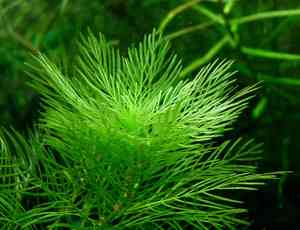
For optimal establishment of chinese raspwort, relocate it when the weather moderates in late spring, or as autumn approaches its end. Select a location featuring soil that drains effectively and offers partial shade. A helpful suggestion: Confirm that the root system is hydrated and the earth is rich to properly acclimate chinese raspwort to its new environment.
Preparations Required Before Relocating Chinese Raspwort
Optimal Period for Transplanting Chinese Raspwort
The best time for moving chinese raspwort is during the gentle period of late spring through early summer, or the calm of mid-fall to late fall. Choosing these times takes advantage of mild weather, ensuring chinese raspwort roots establish without extreme temperature stress. Following these seasonal cues, the transplanted plant will have ample opportunity to develop a strong root system before summer heat or winter cold arrives. This timing is crucial for promoting vigorous growth in a favorable environment, allowing chinese raspwort to become a robust and thriving part of your garden.
Recommended Spacing Between Chinese Raspwort Plants
Hello, aspiring gardener! When it's time to rehome your chinese raspwort, remember to give them adequate room. Aim for approximately 6-12 inches (15-30 cm) apart. This will provide your plants with sufficient space to flourish without becoming overcrowded.
Ideal Soil Blend for Chinese Raspwort Transplantation
For your chinese raspwort to thrive, they will appreciate a soil mix that drains well. Consider incorporating organic material like compost to enrich the ground. And a quick tip - a mild, balanced starter fertilizer will give them the necessary boost to settle into their new spot!
Selecting the New Location for Your Chinese Raspwort
Your chinese raspwort will enjoy a location with some sun exposure but prefers a break from intense midday light. Find a spot where they can receive partial shade. It's like choosing the perfect beach spot - not too hot, not too cold!
Equipment Needed Before Transplanting Chinese Raspwort
Gardening Gloves
To safeguard your hands while handling soil and plants.
Shovel or Spade
For digging up the plant and preparing the new planting site.
Garden Trowel
To refine the planting hole and assist in plant placement.
Watering Can or Hose
To thoroughly water the chinese raspwort after planting.
Wheelbarrow or Garden Cart
For transporting the chinese raspwort and any necessary soil amendments.
Secateurs or Pruning Shears
To trim any damaged roots or foliage.
Mulch
To help maintain soil moisture and regulate soil temperature around chinese raspwort.
Method for Extracting Chinese Raspwort from the Soil
Method for Extracting Chinese Raspwort from the Soil?
From Ground: First, thoroughly water the chinese raspwort to moisten the soil, which will facilitate plant removal. Then, dig a wide circle around the plant with a shovel or spade, ensuring to preserve as much of the root ball as possible. Gently work the spade beneath the root ball to free the plant from its original location.From Pot: Begin by watering the chinese raspwort to ensure the soil is damp, aiding in the removal process. Tilt the pot sideways, support the plant's base with your hand, and carefully ease it out. If it resists, tap the pot's sides or roll it on the ground to loosen the soil.From Seedling Tray: Water the seedling to lubricate the soil. Use a garden trowel or your fingers to gently lift the chinese raspwort from its individual cell. Be careful not to harm the delicate roots during removal.
Step-by-Step Guide for Transplanting Chinese Raspwort
Preparation
Before removing chinese raspwort from its current spot, ensure the new planting site is ready. The hole should be as deep as the root ball and twice its width.
Removal
Carefully extract the chinese raspwort from its current ground, pot, or seedling tray as detailed in the 'removal process' section.
Transition
Hold chinese raspwort at its base and gently position it in the center of the new hole. The top of the root ball should be level with the surrounding soil surface.
Positioning
Adjust the placement of chinese raspwort to ensure it stands upright, then backfill around the root ball with soil, gently firming it to eliminate air pockets.
Watering
Immediately after planting, water chinese raspwort deeply to settle the soil and provide moisture to the roots. Ensure the water penetrates the root zone completely.
Mulching
Apply a layer of mulch around chinese raspwort, keeping it away from the plant's stem to prevent the risk of rot.
Pruning
If necessary, prune any damaged or dead foliage with secateurs or pruning shears to encourage healthy new growth.
Post-Transplantation Care for Chinese Raspwort
Watering
During the initial weeks, ensure chinese raspwort receives adequate water to prevent drying out, establishing a consistent watering schedule based on weather and soil moisture.
Stabilization
Depending on the size of chinese raspwort, stakes or supports may be necessary to keep the plant upright until it develops a strong root system.
Observation
Monitor for signs of stress such as wilting or discolored leaves and address these issues promptly with appropriate care.
Adjustment
Allow chinese raspwort to adapt to its new location without undue stress by avoiding fertilization or excessive handling for the first month after transplant.
Resolving Common Issues with Chinese Raspwort Transplantation.
What is the best time to transplant chinese raspwort?
The ideal time is from late spring to early summer or from mid to late autumn, when temperatures are mild.
How much space should I leave between chinese raspwort?
Space chinese raspwort approximately 6-12 inches (15-30 cm) apart to allow for growth and sufficient air circulation.
Should I water chinese raspwort immediately after transplanting?
Yes, provide chinese raspwort with a thorough watering to help settle the soil around the roots and remove air pockets.
What depth should I plant chinese raspwort's roots during transplanting?
Plant the roots at the same depth they were in the previous pot or ground, avoiding burying the stem.
Can chinese raspwort be transplanted on a hot, sunny day?
It's best to transplant chinese raspwort on a cloudy day or in the evening to minimize stress from heat and sun.
What type of soil is best for transplanting chinese raspwort?
Chinese raspwort prefers well-drained soil rich in organic matter, with a slightly acidic to neutral pH.
How do I prepare the soil before transplanting chinese raspwort?
Loosen the soil and mix in compost or other organic matter to enhance fertility and drainage.
What should I do if chinese raspwort wilts after transplanting?
Ensure chinese raspwort is well-watered and protected from extreme sun or winds. Wilting may indicate transplant shock.
Do I need to fertilize chinese raspwort during transplanting?
After transplanting, wait a few weeks before applying a balanced fertilizer to allow chinese raspwort to establish itself first.
How can I protect chinese raspwort during its first winter after transplanting?
Mulch around the base of chinese raspwort to insulate the roots but avoid direct contact with the stem to prevent rot.



