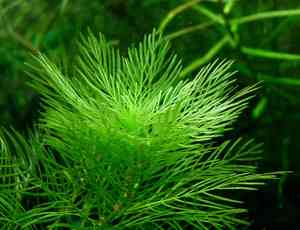
Chinese raspwort (Gonocarpus chinensis)
Also known as: Chinese Gonocarpus
Chinese raspwort is a perennial flowering plant found primarily in southern China. Despite its name, the exact origins of this plant remain uncertain, especially since many related species in the genus are native to Australia.
In This Article
Attributes of Chinese raspwort
Lifespan
Perennial
Plant Type
Herb
Plant Height
10 cm to 60 cm
Spread
1 mm
Leaf Color
Green
Flower Size
0.2 mm to 0.7 mm
Flower Color
Yellow Green Red
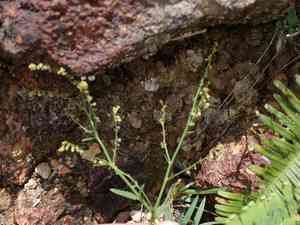
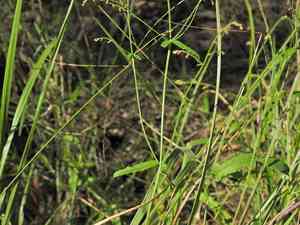
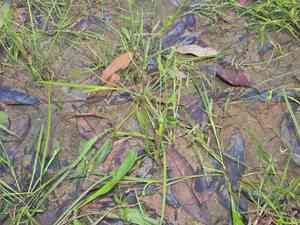
Images of Chinese raspwort
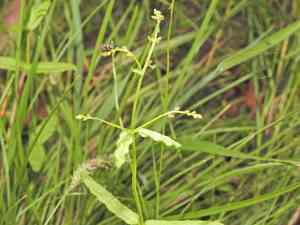
Quickly Identify Chinese raspwort
1
Gonocarpus chinensis can be identified by its small, opposite leaves which are often serrated and its tiny, clustered flowers. The plant often forms a small mat or patch in its natural habitat.
Scientific Classification of Chinese raspwort
Phylum
Vascular plants
Class
Dicotyledons
Order
Saxifragales
Family
Water milfoil
Genus
Raspwort
Species
Chinese raspwort
Planting and Growing of Chinese raspwort
Care Difficulty
Easy
Watering Schedule
Every 2 days
Sunlight Requirements
Partial sun
Sunshine Duration
6-8 hours
Ideal Temperature
60-75℉
Soil Type
Potting Mix, Peat Mix
Soil pH
6.5-7.5
Fertilizer Type
Balanced
Pruning Season
Spring, Summer
Pruning Area
Branches, Leaves
Pruning Frequency
2 times a year
Repotting Season
Spring
Pot Type
Plastic, Terracotta
 How to Water Chinese raspwort?
Gonocarpus chinensis needs around 250 ml of water per session. The soil should be moderately moist but not waterlogged. Ensure the top inch of soil is dry before watering again, as this helps maintain an optimal moisture level for the plant to thrive.
What are the symptoms of an underwatered Chinese raspwort?
›
What should I do if my Chinese raspwort is not getting enough water?
›
What are the symptoms of an overwatered Chinese raspwort?
›
How to save an overwatered Chinese raspwort?
›
 What Are the Sunlight Requirements for Chinese raspwort?
Gonocarpus chinensis thrives in partial sun settings, where ideally it receives about 4 to 6 hours of light. This balance supports robust growth and keeps foliage in top health, mimicking its natural environment.
What is the ideal light condition for Gonocarpus chinensis?
›
How to ensure optimal sunlight exposure for this plant?
›
What benefits does ideal light provide Gonocarpus chinensis?
›
 What Is the Ideal Temperature Range for Chinese raspwort?
For optimal growth, Gonocarpus chinensis thrives best within an indoor environment where temperatures are consistently maintained between 60°F and 75°F. This temperature range facilitates vital metabolic activities and fosters strong structural development in the plant. Maintaining these conditions ensures the plant receives the stability required to support healthy photosynthesis and respiration processes.
 What Soil is Best for Chinese raspwort?
Gonocarpus chinensis flourishes in well-draining soils as it prevents waterlogging, reducing root rot risks. A soil that balances moisture retention and drainage is crucial for optimal root health. This plant demands soil rich in nutrients to support its lush growth. Organic matter like compost can enrich the soil, boosting the plant's vitality and enhancing its natural resilience. While it thrives in loamy soils, moderate moisture retention is essential for Gonocarpus chinensis. Ensuring soil holds moisture without becoming waterlogged benefits sustained growth.
 How to Fertilize Chinese raspwort?
When fertilizing Gonocarpus chinensis, apply a liquid fertilizer dilute solution, following the package instructions. Use around 200 ml per plant to avoid over-fertilization and achieve a balanced nutrient distribution.
 How to Prune Chinese raspwort?
Begin by examining Gonocarpus chinensis for dead, damaged, or discolored leaves and stems. These parts should be the first to be pruned, as removing them helps the plant focus its energy on new, healthy growth. Once unhealthy parts are removed, carefully trim other sections to maintain the plant's natural shape. Aim for a balanced and aesthetically pleasing form, being cautious not to remove more than one-third of the plant's total foliage at once. Encourage fuller growth by pruning above leaf nodes or buds. This strategic cutting stimulates branching and results in a bushier appearance, adding to the plant's visual appeal.
More About Pruning Techniques→
 How to Propagate Chinese raspwort plant?
1
Start by soaking the seeds in warm water for 24 hours to help break the dormancy. This step enhances germination rates by softening the seed coat. After soaking, place seeds on a moist paper towel for initial sprouting.
2
Select healthy shoots from a well-established Gonocarpus chinensis. Cut just below a node using sterilized pruning shears. Each cutting should be around 4-6 inches long with at least two leaf nodes.
3
For seeds, plant them shallowly in a prepared seed tray filled with quality seed-starting mix. For cuttings, dip the cut end in rooting hormone and plant into a container filled with a moist medium. Ensure all planted materials have adequate space to grow.
 How to Repot Chinese raspwort plant?
1
It's time to consider repotting Gonocarpus chinensis when you notice the roots emerging from the pot's drainage holes. Additionally, if the plant's growth has slowed down significantly despite proper care, it might be struggling due to root restriction. Spring and early summer are ideal as the plant is entering its active growth phase.
2
Select a pot that is only slightly larger than the current one — about 1 to 2 inches wider in diameter. This promotes healthy root development without overwhelming the plant with excessive soil that can retain too much moisture. Ensure the pot has adequate drainage holes to prevent root rot.
3
Opt for a well-draining loamy mix that offers a balance of moisture retention and air permeability. This ensures that the roots receive enough moisture without becoming waterlogged, which is crucial for the plant's health. A balanced soil mix supports nutrient uptake and robust growth.
Learn More About Chinese raspwort Diseases
Anthracnose
Bacterial Leaf Spot
Bacterial Wilt
Crown Gall
Cyst Nematode
Damping-off
Downy Mildew
Drought Stress
Fusarium Wilt
Gray Mold
Leaf Spot
Mosaic
Nutrient Deficiency
Nutrient Toxicity
Powdery Mildew
Root Rot
Root-knot Nematode
Rusts
Sooty Mold
Spider Mites
Temperature Stress
Thrips Damage
White Mold



