How to Transplant Furry Feather Calathea?
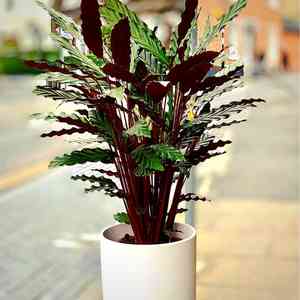
The ideal period to relocate furry Feather Calathea is in the balmy, bright days of early to mid-summer, facilitating prime root establishment. Select a spot featuring adequately drained earth and dappled sunlight. Ensure regular watering of furry Feather Calathea subsequent to its transfer to aid its acclimation in the new environment.
What Preparations are Needed Before Transplanting Furry Feather Calathea?
What is the Ideal Time for Transplanting Furry Feather Calathea?
The optimal window for relocating your furry Feather Calathea spans from early summer to mid-season. During this period, furry Feather Calathea experiences its most vigorous vegetative growth, ensuring a successful transfer. This timeframe also allows the plant to firmly establish its root system before the drier months arrive, boosting its chances of survival. Therefore, seize this prime opportunity to enjoy the flourishing beauty of your furry Feather Calathea. Remember, however, to diligently monitor sun exposure and hydration needs to keep your furry Feather Calathea thriving and healthy. It's a gratifying endeavor that will bring you the satisfaction of watching your plant strengthen with each passing season!
How Much Space Should You Leave Between Furry Feather Calathea Plants?
To provide your furry Feather Calathea with adequate room for development, it's advisable to space them approximately 8-10 inches (20-25 cm) apart during transplantation. This will offer sufficient area for their roots to expand and their foliage to spread.
What is the Best Soil Mix for Furry Feather Calathea Transplanting?
For peak performance, furry Feather Calathea thrives in well-draining soil with a pH ranging from slightly acidic to neutral. Prepare the soil by incorporating compost or peat moss, then add a balanced, slow-release fertilizer to ensure a robust start.
Where Should You Relocate Your Furry Feather Calathea?
When selecting a new home for your furry Feather Calathea, ensure it receives bright, indirect sunlight. An area with filtered or dappled shade throughout the day is perfect for maintaining the plant's health and vibrancy.
What Equipments Should You Prepare Before Transplantation Furry Feather Calathea?
Gardening gloves
To safeguard your hands while handling soil and the plant.
Shovel or spade
For excavating holes and extracting the plant from its initial spot.
Hand trowel
For more precise digging and planting tasks.
Watering can or hose
To hydrate the plant both before and after relocation.
Pruner or scissors
To trim any damaged or superfluous roots, if necessary.
Organic compost or peat moss
To enrich the planting site for improved nutrient availability.
How Do You Remove Furry Feather Calathea from the Soil?
How Do You Remove Furry Feather Calathea from the Soil?
From Ground: First, moisten the furry Feather Calathea plant to dampen the surrounding soil. Next, excavate a wide trench around the plant using a shovel or spade, ensuring the plant's root ball remains intact. Carefully maneuver the spade beneath the root ball to lift the plant from its original position.From Pot: Thoroughly water the furry Feather Calathea plant to help loosen the soil. Place one hand on the soil surface at the plant's base, then gently invert the pot. Lightly tap the pot and shake it softly to release the plant along with the soil and its root ball.From Seedling Tray: Water the furry Feather Calathea plant in its tray until the soil is saturated. Using a hand trowel or a spoon, carefully dig around the base of the seedling. Gently lift out the seedling with its root ball, taking care not to harm the delicate roots.
Step-by-Step Guide for Transplanting Furry Feather Calathea
Dig Hole
Excavate a hole in the ground that is twice the width and depth of the furry Feather Calathea's root ball. This provides ample space for root expansion as the plant matures.
Amend Soil
Combine the excavated soil with organic compost or peat moss to enhance its nutrient content and drainage. This will create superior conditions for the plant's root development and vitality.
Prepare Plant
Prune or trim any damaged or excessive roots from the furry Feather Calathea to stimulate new root growth and minimize transplant shock.
Place Plant
Position the prepared furry Feather Calathea plant in the hole with its root ball flush with the ground surface. Ensure the plant is upright and stable.
Backfill Hole
Refill the hole with the amended soil, gently tamping it down to eliminate air pockets and secure the plant's position.
Water Plant
Generously water the transplanted furry Feather Calathea to help settle the soil around its roots and alleviate transplant shock. Ensure the soil is moist but not waterlogged.
How Do You Care For Furry Feather Calathea After Transplanting?
Watering
For the initial weeks post-transplant, maintain consistent moisture in the soil around the furry Feather Calathea, avoiding sogginess, to aid in root establishment.
Pruning
Remove any dead or damaged leaves and stems to encourage fresh growth and preserve a healthy appearance.
Monitoring
Observe the furry Feather Calathea for any indications of stress or disease. Promptly address any issues to ensure a successful transplant.
Fertilizing
Once the plant has settled, apply a slow-release organic fertilizer to support its growth and overall well-being.
Troubleshooting Common Issues with Furry Feather Calathea Transplantation.
When is the best time to transplant furry Feather Calathea?
The optimal period for transplanting furry Feather Calathea is during the early to middle parts of summer.
What is the recommended distance between furry Feather Calathea plants when transplanting?
The ideal spacing to maintain between each furry Feather Calathea plant is approximately 8-10 inches (20-25 cm).
What's the suggested procedure for getting furry Feather Calathea ready for transplanting?
Begin by thoroughly watering furry Feather Calathea a day prior to transplanting. This helps reduce shock and facilitates easier removal from its current container.
What type of pot or garden location suits furry Feather Calathea best during relocation?
Furry Feather Calathea thrives in well-draining soil or a pot. Also, ensure the new site receives similar sunlight conditions as before for better adaptation.
How do I prepare the new location for furry Feather Calathea transplant?
Dig a hole twice the size of furry Feather Calathea's root ball. Incorporate compost and loosen the soil at the bottom to assist root establishment.
What if furry Feather Calathea's leaves droop after transplanting?
Drooping may indicate transplant shock. Ensure furry Feather Calathea receives sufficient water and position it in a location with moderate sunlight until it recovers.
How much should I water furry Feather Calathea after transplanting?
After transplanting, water furry Feather Calathea thoroughly. Subsequently, water it regularly, but ensure the soil is not waterlogged as this plant dislikes overly wet conditions.
Can I use fertilizers immediately after transplanting furry Feather Calathea?
Wait several weeks after transplanting before fertilizing furry Feather Calathea. Providing nutrients too soon can stress the plant and hinder its recovery process.
What precautions should I take while removing furry Feather Calathea from its original pot for transplantation?
Handle furry Feather Calathea gently during removal to prevent root damage. If the plant is stuck, tap the sides of the pot to loosen it. Avoid forceful pulling.
What to do if furry Feather Calathea doesn't show growth after transplantation?
If furry Feather Calathea shows no growth post-transplantation, review its watering schedule and sun exposure. If these are appropriate, it's best to consult a local nursery.



