
Furry Feather Calathea (Goeppertia rufibarba)
Also known as: Velvet calathea
A commonly grown houseplant, furry Feather Calathea is named for the furry texture of the underside of its leaves. This tropical plant needs warm temperatures, indirect light, and high humidity to thrive. It may grow small yellow flowers in perfect conditions.
In This Article
Attributes of Furry Feather Calathea
Lifespan
Perennial
Plant Type
Herb
Plant Height
61 cm to 91 cm
Spread
30 cm to 45 cm
Leaf Color
Green Purple
Flower Size
Less than 1 inch (around 2 cm)
Flower Color
Yellow
Images of Furry Feather Calathea

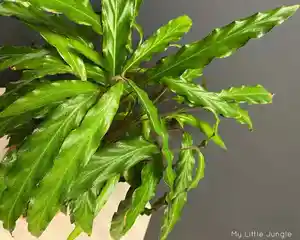
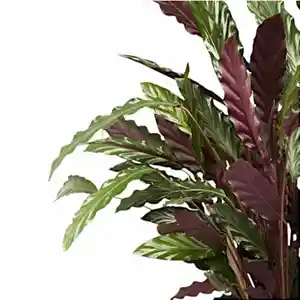
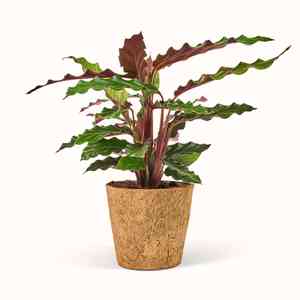
Quickly Identify Furry Feather Calathea
1
The leaves of Goeppertia rufibarba are lance-shaped and have a soft, velvety texture. The distinct coloration between the top and bottom surfaces of the leaves also makes it easily recognizable. Look for the undulating leaf margins and the presence of fine hairs on the leaf surfaces.
Scientific Classification of Furry Feather Calathea
Phylum
Vascular plants
Class
Monocotyledons
Order
Zingiberales
Family
Arrowroot
Genus
Calatheas
Species
Furry Feather Calathea
Planting and Growing of Furry Feather Calathea
Care Difficulty
Hard
Watering Schedule
Every 4 days
Sunlight Requirements
Partial sun
Sunshine Duration
6-10 hours
Ideal Temperature
65-75℉
Soil Type
Potting Mix, Peat Mix
Soil pH
6.5-7.5
Fertilizer Type
Balanced
Pruning Season
Spring, Summer
Pruning Area
Branches, Leaves
Pruning Frequency
2 times a year
Repotting Season
Spring
Pot Type
Plastic, Ceramic
 How to Water Furry Feather Calathea?
For Goeppertia rufibarba, it's crucial to ensure soil moisture without soaking it entirely. Water until you see a slight drainage from the bottom of the pot, indicating the soil has absorbed adequate moisture without becoming waterlogged.
More About Watering Techniques→
What are the symptoms of an underwatered Furry Feather Calathea?
›
What should I do if my Furry Feather Calathea is not getting enough water?
›
What are the symptoms of an overwatered Furry Feather Calathea?
›
How to save an overwatered Furry Feather Calathea?
›
 What Are the Sunlight Requirements for Furry Feather Calathea?
Partial sun and full shade are best for Goeppertia rufibarba. The ideal light conditions enhance the plant's foliar health and richness, boosting its decorative qualities and overall well-being.
More About Sunlight Requirements Techniques→
What are the best lighting conditions for Goeppertia rufibarba?
›
How to ensure Goeppertia rufibarba receives ideal lighting?
›
What benefits does Goeppertia rufibarba gain from ideal lighting?
›
 What Is the Ideal Temperature Range for Furry Feather Calathea?
The ideal temperature range for Goeppertia rufibarba cultivation is between 65°F to 75°F. This range supports optimal growth and vibrant foliage, replicating its native tropical environment. Consistently maintaining temperatures within this bracket helps the plant thrive.
 What Soil is Best for Furry Feather Calathea?
Goeppertia rufibarba thrives in well-draining soil. This helps prevent root rot by allowing excess water to escape, keeping the roots healthy and aerated. The plant prefers soil that retains some moisture without becoming waterlogged. A medium like peat or a well-aerated loam can help maintain the right balance of moisture. A nutrient-rich soil supports the lush growth of Goeppertia rufibarba, providing essential nutrients that keep the foliage vibrant and the plant robust.
More About Soil→
 How to Fertilize Furry Feather Calathea?
Goeppertia rufibarba requires fertilization sparingly. Use a diluted liquid fertilizer at half the recommended strength to ensure you don't overwhelm the plant with nutrients.
More About Fertilizing Techniques→
 How to Prune Furry Feather Calathea?
Begin by inspecting your Goeppertia rufibarba for any dead, damaged, or yellowing leaves that need removal. Use a pair of sharp, clean scissors or pruning shears to cut off the undesired leaves close to the base without cutting the stem. Take care to prune sparingly, focusing on the most problematic areas. Doing this helps maintain the plant's health and encourages new growth while keeping its beautiful, wavy appearance intact.
More About Pruning Techniques→
 How to Propagate Furry Feather Calathea plant?
1
Begin by carefully removing the plant from its pot and gently shake off excess soil. This helps in identifying natural divisions of rhizomes and ensures you do not damage the plant inadvertently.
2
Use the sharp knife to cut the rhizomes, ensuring each section has both roots and shoots attached. This will increase the likelihood of successful new plant growth.
3
Plant each section into its own pot with appropriate potting mix. Press down the soil gently to remove air pockets and water the pots to help settle the soil around the new divisions.
 How to Repot Furry Feather Calathea plant?
1
Goeppertia rufibarba needs repotting when you notice its roots emerging through the drainage holes, or if you've noticed a decrease in its growth rate. Spring or summer is ideal since the plant can recover faster in milder temperatures.
2
Select a pot that is only a couple of inches wider and deeper than the current one. This prevents excessive water retention while providing enough room for growth. Opt for pots with good drainage holes to prevent root rot.
3
Choose a well-draining potting mix that retains some moisture without being waterlogged. A mix with peat, perlite, and pine bark is ideal. This ensures your Goeppertia rufibarba gets the aeration and moisture levels it thrives in.



