How to Transplant Many-stemmed cudweed?
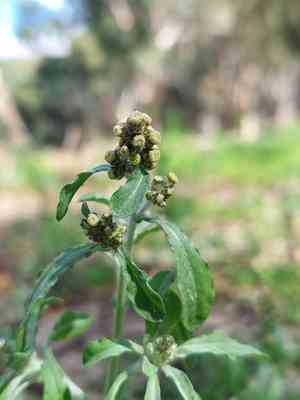
Relocate many-stemmed cudweed during the ideal period from early to late spring, when conditions are most favorable for development. Select a sunny spot with good drainage to promote strong health, and carefully position the plant, ensuring stable rooting and flourishing throughout the season.
What Preparations are Needed Before Transplanting Many-stemmed Cudweed?
What is the Ideal Time for Transplanting Many-stemmed Cudweed?
The prime period for moving many-stemmed cudweed spans from the refreshing start of early spring to the pleasant warmth of late spring. This timeframe offers mild weather, which is perfect for many-stemmed cudweed to establish its root system, ensuring vigorous growth in the upcoming season. During these months, moderate temperatures and increasing daylight hours create a supportive environment without the harshness of summer heat or winter cold. Transplanting many-stemmed cudweed at this time allows for smooth acclimation and full utilization of the growing season, promising a vibrant display in its new spot.
How Much Space Should You Leave Between Many-stemmed Cudweed Plants?
When preparing to transplant your many-stemmed cudweed, ensure a spacing of approximately 6-12 inches (15-30 cm) between each plant. This provides ample room for root development and sufficient space for the plants to mature.
What is the Best Soil Mix for Many-stemmed Cudweed Transplanting?
For your many-stemmed cudweed, an ideal soil blend consists of well-draining soil enriched with organic compost as a foundational fertilizer. This mixture supplies the necessary nutrients for your plants to flourish after being transplanted.
Where Should You Relocate Your Many-stemmed Cudweed?
Select a sunny location that receives at least 6 hours of direct sunlight daily for your many-stemmed cudweed. Ensuring ample sunlight will aid your plant in establishing itself more quickly and growing robustly.
What Equipments Should You Prepare Before Transplantation Many-stemmed Cudweed?
Gardening Gloves
To safeguard your hands while handling soil and plants.
Hand Trowel
For digging and shifting soil during the transplanting process.
Watering Can or Hose
To hydrate the many-stemmed cudweed before and after relocation.
Shovel or Spade
To excavate the plant from the ground or lift its root ball.
Pruning Shears
To trim any damaged roots or foliage.
Measuring Tape
To assist in correctly spacing multiple many-stemmed cudweed during transplanting.
Wheelbarrow or Garden Cart
For moving the many-stemmed cudweed and soil, if required.
How Do You Remove Many-stemmed Cudweed from the Soil?
How Do You Remove Many-stemmed Cudweed from the Soil?
From Ground: First, moisten the many-stemmed cudweed plant by watering the soil. Next, use a shovel or spade to dig a wide trench around the plant, making sure its root ball stays intact. Carefully work the spade beneath the root ball to lift the plant from its original spot.From Pot: Start by watering your many-stemmed cudweed to make the soil damp and easier to extract. Turn the pot on its side and gently tap the edges to loosen the soil. Slowly pull the plant from its base, guiding the root ball out while keeping the soil together.From Seedling Tray: Dampen the soil to prevent root damage. Use a hand trowel to carefully lift the many-stemmed cudweed, ensuring all roots are preserved. Support the plant by its root ball rather than its stem.
Step-by-Step Guide for Transplanting Many-stemmed Cudweed
Preparation
Gather all necessary tools and thoroughly water the many-stemmed cudweed before beginning the transplanting procedure.
Root Ball Care
Use a shovel/spade to dig around the many-stemmed cudweed, preserving as much of the root system as possible when removing it from its initial location.
Hole Digging
Excavate a hole at the new site that is twice the width of the many-stemmed cudweed's root ball and equally deep to ensure ample room for root expansion.
Placement
Position the many-stemmed cudweed in the center of the hole. Ensure it is at the same depth as it was in its previous spot to prevent root suffocation.
Backfilling
Gently refill the hole with soil around the root ball, eliminating air pockets by pressing down with your hands.
Watering
Thoroughly water the many-stemmed cudweed after transplanting to help settle the soil and hydrate the roots.
Mulching
Apply a layer of mulch around the base of the many-stemmed cudweed to retain moisture and inhibit weed growth.
How Do You Care For Many-stemmed Cudweed After Transplanting?
Monitoring
Inspect the many-stemmed cudweed daily, looking for indications of stress such as wilting or discolored leaves.
Watering
Provide consistent moisture, especially during the initial weeks, to help the many-stemmed cudweed establish itself in its new location.
Mulching
Maintain a layer of mulch to keep the roots of many-stemmed cudweed cool and moist.
Pruning
Trim any dead or damaged stems to encourage vigorous growth.
Supporting
If the many-stemmed cudweed is tall or susceptible to wind damage, use plant stakes to offer additional support.
Troubleshooting Common Issues with Many-stemmed Cudweed Transplantation.
How do I know when to transplant many-stemmed cudweed?
The optimal period to transplant many-stemmed cudweed is when temperatures are moderate during early to late spring.
What's the ideal distance between many-stemmed cudweed when transplanting?
Space many-stemmed cudweed 6-12 inches (15-30 cm) apart to provide each plant with sufficient room to grow.
Why are my transplanted many-stemmed cudweed wilting?
Wilting after transplanting can result from root disturbance or insufficient watering. Handle roots gently and water thoroughly.
Should I fertilize many-stemmed cudweed after transplanting?
Wait a few weeks before applying fertilizer to avoid damaging tender roots. Use a balanced, mild fertilizer.
Can I transplant many-stemmed cudweed on a hot, sunny day?
It's best to transplant on an overcast day or in the evening to minimize transplant shock.
How deep should I plant many-stemmed cudweed?
Plant many-stemmed cudweed at the same depth they were previously growing to prevent burying the stem.
My many-stemmed cudweed looks stunted after transplant. What's wrong?
Ensure you are not planting too deeply or compacting soil around the roots, which can hinder growth.
How much water does many-stemmed cudweed need after transplanting?
Keep the soil consistently moist, but not waterlogged, to help many-stemmed cudweed establish in their new location.
Can transplanting many-stemmed cudweed in windy conditions harm them?
Yes, strong winds can damage plants. Protect many-stemmed cudweed during transplanting and provide a windbreak if necessary.
Is it necessary to prune many-stemmed cudweed when transplanting?
Pruning is not typically required. However, trimming damaged leaves can help many-stemmed cudweed focus on root establishment.



