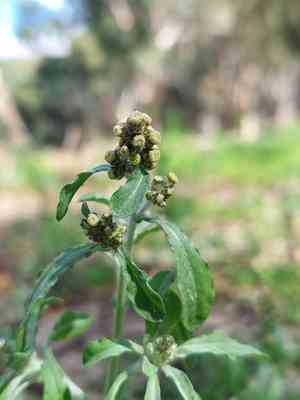
Many-stemmed cudweed (Gnaphalium polycaulon)
Also known as: Many-stem Cudweed, Many-stem Rabbit-tobacco
Gnaphalium polycaulon, commonly known as many-stemmed cudweed, is a small herb that is not typically cultivated for ornamental purposes. Despite this, it has proliferated throughout much of the tropical regions. In certain moist environments, it can behave like a weed and has been noted to exhibit invasive tendencies in India. The Latin term "polycaulon" aptly describes its growth habit, meaning "many-stemmed."
In This Article
Attributes of Many-stemmed cudweed
Lifespan
Annual
Plant Type
Herb
Plant Height
25 cm
Spread
N/A
Leaf Color
Grayish-green
Flower Size
2.5 mm to 3 mm
Flower Color
White Yellow
Images of Many-stemmed cudweed
Quickly Identify Many-stemmed cudweed
1
Look for densely branched stems with woolly and linear leaves. The flower heads are typically small and clustered, with yellowish to brownish florets.
Scientific Classification of Many-stemmed cudweed
Phylum
Vascular plants
Class
Dicotyledons
Order
Asterales
Family
Daisy
Genus
Cudweeds
Species
Many-stemmed cudweed
Planting and Growing of Many-stemmed cudweed
Care Difficulty
Easy
Watering Schedule
Every 2 days
Sunlight Requirements
Partial sun
Sunshine Duration
4-8 hours
Ideal Temperature
60-75℉
Soil Type
Potting Mix, Peat Mix
Soil pH
6-7.5
Fertilizer Type
Balanced
Pruning Season
Spring, Summer
Pruning Area
Branches, Leaves
Pruning Frequency
2 times a year
Repotting Season
Spring
Pot Type
Plastic, Ceramic
 How to Water Many-stemmed cudweed?
Gnaphalium polycaulon needs around 150 ml of water per session. The goal is to moisten the soil thoroughly without leaving it soggy. Aim to saturate the top 5 cm of soil and let excess water drain to avoid stagnation.
What are the symptoms of an underwatered Many-stemmed cudweed?
›
What should I do if my Many-stemmed cudweed is not getting enough water?
›
What are the symptoms of an overwatered Many-stemmed cudweed?
›
How to save an overwatered Many-stemmed cudweed?
›
 What Are the Sunlight Requirements for Many-stemmed cudweed?
This plant thrives best in partial to full sun conditions. Ensuring proper light facilitates lush foliage, full flowering, and overall vigorous health by meeting the plant's photosynthetic needs.
What is the best way to ensure ideal lighting?
›
How can you make sure the plant receives enough sun?
›
What benefits does ideal light provide?
›
 What Is the Ideal Temperature Range for Many-stemmed cudweed?
Gnaphalium polycaulon thrives best within a temperature range of 60°F to 75°F. This range allows for optimal metabolic processes and supports vigorous growth. Maintaining temperatures within this range will ensure the plant's health and promote lush foliage.
 What Soil is Best for Many-stemmed cudweed?
Gnaphalium polycaulon thrives in well-drained soil, allowing water to pass through easily, preventing root rot. This condition mimics its natural environment, ensuring the plant's roots can access necessary air without becoming waterlogged. A moderately fertile soil provides Gnaphalium polycaulon with sufficient nutrients, supporting healthy growth and vibrant foliage. It ensures that the plant receives balanced nutrition for optimal health and development. While it requires well-drained soil, some moisture retention is beneficial for Gnaphalium polycaulon, preventing it from drying out completely between waterings. This helps maintain a consistent supply of moisture for healthy growth.
 How to Fertilize Many-stemmed cudweed?
Gnaphalium polycaulon, commonly known as Many-stemmed Cudweed, requires a balanced approach to fertilization. Use a liquid fertilizer diluted to half strength to avoid nutrient burn. Aim for approximately 100 ml per application for a medium-sized plant, adjusting based on individual plant response.
 How to Prune Many-stemmed cudweed?
Inspect the plant for any dead, diseased, or damaged stems and leaves. Gently trim these away, making sure to cut back to a healthy part of the plant to encourage regrowth. Once dead materials are removed, focus on shaping the plant. Cut back overgrown branches and stems to maintain a balanced shape. This helps in sustaining an attractive and manageable size.
More About Pruning Techniques→
 How to Propagate Many-stemmed cudweed plant?
1
Fill seed trays with potting mix, lightly packing it down to remove air pockets. Ensure the trays have good drainage to prevent waterlogging, which can inhibit germination or cause rot.
2
Evenly spread the seeds across the surface of the potting mix. Cover them gently with a thin layer of additional mix, approximately 1/8 inch deep, ensuring the seeds are not buried too deeply.
3
Water the seeds gently with a misting spray to avoid disturbing them. Keep the soil consistently moist but not saturated. Place trays in a location with indirect sunlight and moderate temperatures.
 How to Repot Many-stemmed cudweed plant?
1
Repotting should be done when you notice roots circling the bottom or creeping out of drainage holes. Additionally, if the growth slows down or the soil seems to dry out too quickly, it’s a sure sign that repotting is needed.
2
Select a pot that is slightly larger than the current one, around 1-2 inches wider in diameter. A pot with adequate drainage holes is essential to prevent waterlogging, which can lead to root rot. Proper size ensures balanced growth and sufficient space for roots to expand.
3
Opt for a well-draining, sandy soil mix that retains some moisture but allows excess water to flow away. This type of soil mimics the plant’s natural habitat and prevents root rot, promoting healthy root aeration and nutrient uptake.



