How to Transplant Floating mannagrass?
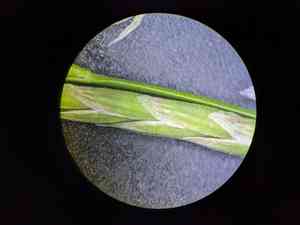
Glyceria fluitans flourishes when relocated in mid-spring, capitalizing on rising temperatures and extended daylight hours. Select a bright, well-hydrated spot for peak development. Refrain from disrupting the root system; manage gently to guarantee a smooth establishment.
Necessary Preparations Before Moving Floating Mannagrass?
When is the Best Time to Relocate Floating Mannagrass?
The prime period for relocating floating mannagrass spans from mid-spring to late spring. This timeframe provides mild temperatures and consistent rainfall, aiding in minimizing transplant shock and ensuring successful establishment. Moving the plant during this window maximizes its growth potential, allowing it to benefit from the entire upcoming growing season.
What Distance Should Be Maintained Between Floating Mannagrass Plants?
When relocating floating mannagrass, ensure a spacing of 12-18 inches (30-45 cm) between plants. This provides ample room for root development and allows the plants to flourish without becoming overcrowded.
What is the Optimal Soil Blend for Floating Mannagrass Relocation?
Prior to relocating floating mannagrass, prepare soil that drains effectively. Incorporate some organic material or compost to enrich the soil. A general-purpose base fertilizer can also be added to provide the plants with a nutritional boost.
Where Should You Replant Your Floating Mannagrass?
Select a site that receives full sun to partial shade for relocating floating mannagrass. This ensures the plants get sufficient sunlight for robust growth while also offering some protection from excessive heat.
What Tools Should You Prepare Before Relocating Floating Mannagrass?
Gardening Gloves
To safeguard your hands while handling soil and plants.
Spade or Shovel
To excavate around and lift the plant from its initial spot.
Trowel
For more precise digging and lifting, particularly useful for smaller plants or young sprouts.
Watering Can or Hose
To hydrate the plant before and after its relocation.
Wheelbarrow
To move the plant from its original spot to the new planting site if necessary.
Mulch
To help retain soil moisture and maintain a stable temperature around the root system.
Stakes and Ties
If required, to support the plant in its new location until it develops strong roots.
How Do You Extract Floating Mannagrass from the Ground?
How Do You Extract Floating Mannagrass from the Ground?
From Ground: First, moisten the floating mannagrass plant to dampen the soil. Next, dig a wide trench around the plant using a shovel or spade, ensuring the plant's root ball remains intact. Carefully work the spade beneath the root ball to lift the plant from its original position.From Pot: Thoroughly water the floating mannagrass plant. Gently tap the pot's sides to loosen the soil. Hold the plant at its base and carefully slide it out, ensuring the root ball stays whole.From Seedling Tray: Water the seedlings. Use a trowel to gently lift each seedling, making sure to keep as much of the root system intact as possible. Handle the seedlings by their leaves, not the stems, to prevent damage.
Step-by-Step Guide for Relocating Floating Mannagrass
Site Preparation
Prepare the new planting site by digging a hole that is wide and deep enough to accommodate the floating mannagrass plant's root ball. Ensure the hole is slightly larger than the root ball to allow room for root growth.
Relocation Timing
Plan to relocate on a cool, overcast day or in the late afternoon to minimize transplant shock.
Lifting the Plant
Carefully lift the floating mannagrass plant from its original location, ensuring the root ball remains intact. For larger plants, use a wheelbarrow to transport the plant to its new site.
Plant Placement
Position the floating mannagrass plant in the new hole, making sure it is at the same depth as it was in its previous location. Backfill the hole with soil and gently firm it around the plant.
Watering
Thoroughly water the floating mannagrass plant immediately after planting to settle the soil around the roots and eliminate air pockets.
Mulching
Apply a layer of mulch around the base of the floating mannagrass plant to retain moisture and regulate soil temperature. Keep the mulch a few inches away from the plant stem to prevent rot.
Support (if necessary)
If the floating mannagrass plant is tall or top-heavy, consider using stakes and ties to provide support until it establishes strong roots.
How Do You Care For Floating Mannagrass After Relocation?
Watering
Keep the soil around the floating mannagrass consistently moist, but not waterlogged, for the initial weeks after relocation to aid in establishing strong roots.
Monitoring
Observe the floating mannagrass plant for any indications of stress, such as wilting or yellowing foliage, and address any issues promptly.
Fertilizing
Avoid fertilizing immediately after relocation to prevent additional stress. Wait a few weeks until the plant has established itself before applying a balanced, slow-release fertilizer.
Weeding
Regularly remove any weeds around the floating mannagrass to reduce competition for nutrients and water.
Protection
Shield the floating mannagrass plant from extreme weather conditions, pests, and diseases during the critical establishment period.
Addressing Common Issues with Floating Mannagrass Relocation.
When is the best time to relocate floating mannagrass?
The optimal period is from mid-spring to late spring for successful relocation.
How much spacing should I allow between floating mannagrass plants?
Ensure each floating mannagrass plant is spaced 12-18 inches (30-45 cm) apart for healthy growth.
How do I prepare floating mannagrass for relocation?
Water the plant thoroughly one day before relocation to soften the soil and reduce stress.
What type of soil is ideal for floating mannagrass?
Utilize well-draining soil rich in organic matter to encourage healthy root development for your floating mannagrass.
How deep should I plant floating mannagrass in its new spot?
"Plant floating mannagrass at the same depth it was previously growing to avoid root stress and rotting."
What should I do if floating mannagrass wilts after relocation?
Water thoroughly and provide some shade to help floating mannagrass recover from relocation shock.
How often should I water floating mannagrass after relocation?
Keep the soil consistently moist but not waterlogged, especially in the first few weeks.
What should I do if the leaves of floating mannagrass turn yellow?
Check for overwatering or poor drainage. Adjust watering and ensure proper soil drainage.
Will floating mannagrass require fertilization after relocation?
Applying a balanced, slow-release fertilizer can support healthy growth after relocation.
Can I relocate floating mannagrass in full sun or shade?
Plant floating mannagrass in a location with partial to full sun for optimal growth conditions.



