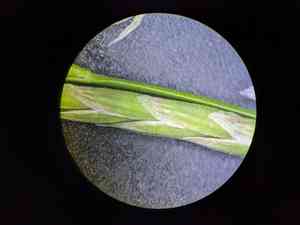
Floating mannagrass (Glyceria septentrionalis)
Also known as: Tufted mannagrass
Floating mannagrass is an aquatic perennial that flourishes in wet habitats like marshes, ponds, and along the banks of slow-flowing streams. It features slender, pointed leaves and produces delicate flower spikes during the summer. This plant's preference for moist, waterlogged soils supports its tendency to form dense clumps, making it a prominent component of water-edge environments.
In This Article
Attributes of Floating mannagrass
Lifespan
Perennial
Plant Type
Grass
Plant Height
30 cm to 1.8 m
Spread
30-60 cm
Leaf Color
Green
Flower Size
0.5-1 cm
Flower Color
White
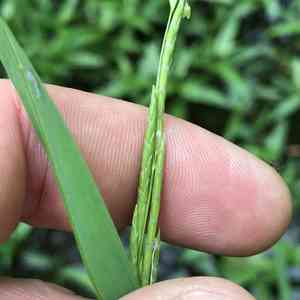
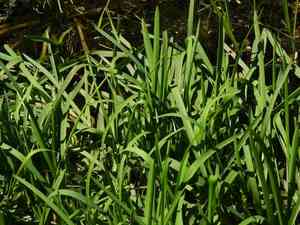
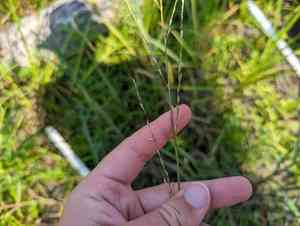
Images of Floating mannagrass
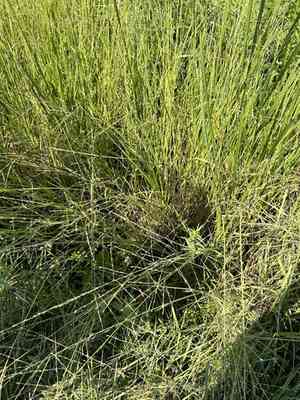
Quickly Identify Floating mannagrass
1
This plant can be identified by its tall, tufted, and erect growth, with leaves that are typically flat and narrow. It produces inflorescences that are open and branched, often with a distinctive nodding appearance. The spikelets are usually greenish to slightly purplish.
Scientific Classification of Floating mannagrass
Phylum
Vascular plants
Class
Monocotyledons
Order
Poales
Family
Grass
Genus
Mannagrasses
Species
Floating mannagrass
Planting and Growing of Floating mannagrass
Care Difficulty
Easy
Watering Schedule
Every 3 days
Sunlight Requirements
Partial sun
Sunshine Duration
4-8 hours
Ideal Temperature
60-75℉
Soil Type
Potting Mix, Peat Mix
Soil pH
6.5-7.5
Fertilizer Type
Balanced
Pruning Season
Spring, Summer
Pruning Area
Branches, Leaves
Pruning Frequency
Once a year
Repotting Season
Spring
Pot Type
Plastic, Ceramic
 How to Water Floating mannagrass?
For Glyceria septentrionalis, ensure the soil is consistently moist but not waterlogged. Aim to water until the top few inches of soil are evenly soaked but avoid standing water at the base.
What are the symptoms of an underwatered Floating mannagrass?
›
What should I do if my Floating mannagrass is not getting enough water?
›
What are the symptoms of an overwatered Floating mannagrass?
›
How to save an overwatered Floating mannagrass?
›
 What Are the Sunlight Requirements for Floating mannagrass?
Glyceria septentrionalis thrives best in partial sun conditions, where it benefits from a balance of shade and indirect light. Ideal lighting encourages robust growth, healthy leaf pigmentation, and optimal photosynthesis without the risk of sun damage.
What is the best time of day for Glyceria septentrionalis to receive sunlight?
›
How can I ensure Glyceria septentrionalis gets the right amount of light indoors?
›
What are the benefits of providing Glyceria septentrionalis with its ideal lighting conditions?
›
 What Is the Ideal Temperature Range for Floating mannagrass?
For Glyceria septentrionalis, maintaining a temperature range of 60°F to 75°F will promote optimal growth and development. These conditions mimic the plant's natural habitat, ensuring that the physiological processes such as photosynthesis and nutrient absorption occur efficiently and effectively.
 What Soil is Best for Floating mannagrass?
Glyceria septentrionalis thrives when soil has excellent drainage capabilities. This allows the root system to access both air and moisture, promoting healthy growth and preventing root rot. This plant benefits from nutrient-rich soil, which provides essential elements for vibrant growth and increases its resilience against pests and diseases. While good drainage is crucial, Glyceria septentrionalis also requires soil that can retain enough moisture to keep it hydrated between watering sessions, especially in periods of drought.
 How to Fertilize Floating mannagrass?
Glyceria septentrionalis thrives with a balanced approach to fertilization. Using liquid fertilizers, apply a diluted solution of 1/4 to 1/2 strength every time. Over-fertilizing can lead to salt build-up which is detrimental to root health.
 How to Prune Floating mannagrass?
When pruning Glyceria septentrionalis, take care to sterilize your pruning tools before and after each session to prevent the spread of potential plant diseases. Additionally, always wear gloves to protect your hands, as the blades can be surprisingly sharp. Be vigilant about not cutting too aggressively, as over-pruning may stress the plant and diminish its growth vigour. Consider the plant's natural shape and try to maintain its aesthetic form while pruning, ensuring that you prune in the early hours or late afternoon to avoid heat stress.
 How to Propagate Floating mannagrass plant?
1
Choose a well-established, healthy plant for division. The mother plant should have a robust root system and show signs of vigorous growth, which ensures successful propagation.
2
Carefully dig up the entire clump of Glyceria septentrionalis. Use a spade or fork to loosen the soil around the roots and lift the plant gently from the ground to avoid damage.
3
Once the plant is out of the ground, gently separate the clump into smaller sections. Each section should have a healthy amount of roots and foliage to grow independently after replanting.
 How to Repot Floating mannagrass plant?
1
Look for signs that your Glyceria septentrionalis needs repotting, such as roots beginning to circle the pot or struggle for space. The plant may seem unwilling to grow or dry out faster than usual, signaling it's time for a larger home.
2
Select a pot that is one size larger than its current container. Ensure it has drainage holes to prevent waterlogging, providing essential air circulation to the roots and preventing potential rot—a critical step for healthy growth.
3
Opt for well-draining loamy soil mixed with organic matter. This composition supports moisture retention while allowing excess water to drain, reducing the risk of root rot and promoting vibrant, healthy plant growth.



