How to Transplant American silvertop?
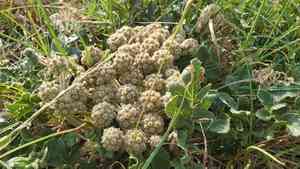
The ideal period for relocating american silvertop spans from the pleasantness of late spring into the supportive stretch of early summer, as consistent warmth aids in its settling. Choose a brightly lit, adequately drained location to guarantee american silvertop's thriving.
What Preparations are Needed Before Transplanting American Silvertop?
What is the Ideal Time for Transplanting American Silvertop?
The optimal period for relocating american silvertop is during the mild warmth of late spring to early summer. This timeframe provides a balanced combination of moderate temperatures and consistent daylight, crucial for american silvertop's root development and post-transplant recovery. Moving american silvertop during this window ensures it benefits from the full growing season, utilizing the extended days and temperate nights essential for its root system to thrive and strengthen before the intense summer heat or winter cold arrives.
How Much Space Should You Leave Between American Silvertop Plants?
When preparing to rehome your american silvertop, allow a comfortable distance of 18-24 inches (45-60 cm) between each plant. This provides them ample room to grow without overcrowding!
What is the Best Soil Mix for American Silvertop Transplanting?
Your american silvertop will flourish in well-draining soil! Incorporate some aged compost or a balanced slow-release fertilizer to give them a nourishing start. Much like preparing a wholesome meal for a friend, you're setting up your american silvertop for success!
Where Should You Relocate Your American Silvertop?
Select a sunny location where your american silvertop can enjoy at least 6 hours of daily sunlight. Similar to us, they appreciate sunbathing, but a bit of afternoon shade won't harm them. It's the perfect equilibrium for a thriving plant!
What Equipments Should You Prepare Before Transplantation American Silvertop?
Gardening Gloves
To safeguard your hands while handling soil and plants.
Shovel or Spade
For excavating the plant from its original spot and digging the new hole.
Garden Fork
To loosen the soil around the root ball without causing excessive damage.
Watering Can or Hose
To hydrate the plant before and after its relocation.
Pruning Shears
To trim any dead or damaged roots and foliage.
Wheelbarrow or Plant Dolly
For moving the plant if it is large.
Tarp or Burlap
To contain the soil and shield the root ball during transit.
Stake or Plant Support
To help the plant remain upright and protected if it is a larger specimen.
How Do You Remove American Silvertop from the Soil?
How Do You Remove American Silvertop from the Soil?
From Ground: First, irrigate the american silvertop plant to moisten the soil a day prior to transplanting. Use a shovel or spade to dig a wide circle around the plant, ensuring you are far enough away to avoid damaging the root ball. Gently work your tool beneath the plant to lift the root ball from the earth with minimal root disturbance.From Pot: Water the american silvertop plant thoroughly before beginning. Turn the pot on its side and gently tap the bottom to help loosen the roots' grip. You might need to run a knife around the pot's edge if the plant doesn't release easily. Then, carefully pull the plant out by its base, supporting the root ball.From Seedling Tray: Moisten the soil in the tray to make it pliable and easy to work with. Use a spoon or a small trowel to extract the seedling. Be sure to include as much of the root structure as possible, taking care not to harm the roots as you lift the plant.
Step-by-Step Guide for Transplanting American Silvertop
Preparation
Ensure all necessary tools and equipment listed above are readily accessible before commencing the transplanting process. Wear your gardening gloves to shield your hands from scrapes and dirt. Prepare the new planting area by loosening the soil with a garden fork to facilitate root expansion. This should be done in an area that meets the previously discussed space and sunlight requirements, and the soil should already be prepared according to prior instructions.
Plant Removal
Follow the appropriate removal procedure outlined above, depending on whether the american silvertop plant is being moved from the ground, a pot, or a seedling tray. Exercise caution to preserve the root ball, as this is crucial for the plant's successful establishment in its new location.
New Location Hole
Excavate a hole in the prepared area, ensuring it is twice as wide and equally as deep as the root ball. This will provide ample space for the roots to spread and access nutrients.
Transplanting
Carefully position american silvertop in the center of the new hole, making sure the top of the root ball is level with the surrounding soil surface. Adjust the depth by adding or removing soil from the bottom of the hole as needed.
Filling the Hole
Gently backfill the hole with soil, carefully working it around the roots of the american silvertop plant. Avoid tamping the soil down too firmly; light pressure is sufficient to eliminate large air pockets.
Stabilizing the Plant
If american silvertop is tall or otherwise top-heavy, provide support with a stake or other plant support. Insert the stake into the ground before completely backfilling and loosely tie the plant to the stake with plant ties to prevent stem damage.
Watering
Thoroughly water the american silvertop after transplanting to settle the soil around the roots and help alleviate transplant shock. Ensure the water penetrates deeply, encouraging the roots to grow downwards.
Mulching
Apply a layer of mulch around the base of american silvertop, being careful not to pile it against the stems or leaves. This will help retain soil moisture and regulate soil temperature.
How Do You Care For American Silvertop After Transplanting?
Monitoring
Regularly inspect the american silvertop for indications of stress such as wilting or discolored leaves. Adjust care practices if necessary, and be patient as the plant adapts to its new environment.
Pruning
Trim away any damaged or dead leaves and stems to help american silvertop direct its energy towards establishing new growth.
Staking
Ensure the stake or support is secure and adjust ties as needed to accommodate growth without constricting or cutting into the plant.
Mulching
Maintain the layer of mulch to conserve moisture and suppress weeds, ensuring it does not touch the plant's stems, as this could lead to rot.
Supplemental Watering
Keep an eye on the soil moisture, especially during the initial weeks, and provide additional water during dry spells without overwatering. American silvertop should never sit in waterlogged soil.
Observation
Watch for insects or disease. Early detection is crucial for managing potential problems. A healthy transplanted american silvertop is less likely to succumb to pests or illness.
Troubleshooting Common Issues with American Silvertop Transplantation.
What's the best time to transplant american silvertop?
The optimal period for transplanting american silvertop is during the gentle transition from late spring to early summer.
How far apart should I space american silvertop when transplanting?
Allow a generous 18-24 inches (45-60 cm) between each american silvertop to ensure ample growing space.
What's the ideal soil type for american silvertop transplantation?
A well-draining, fertile loam enriched with organic matter is perfectly suited for american silvertop.
How deep should I plant american silvertop's roots?
Gently place the roots of american silvertop in a hole that matches the root ball's depth, no deeper.
Should I water american silvertop immediately after transplanting?
Yes, thoroughly hydrate american silvertop post-transplant to help alleviate shock and settle the soil.
How much sunlight does american silvertop need after transplanting?
Position american silvertop in a location where it receives full sun to partial shade for vigorous growth.
What are signs of transplant shock in american silvertop?
Wilting, yellowing, or dropping leaves are indicators that american silvertop might be experiencing transplant shock.
How do I acclimate american silvertop before transplanting?
Gradually introduce american silvertop to outdoor conditions over a week to strengthen it for the move.
Can I use fertilizer immediately when transplanting american silvertop?
Refrain from using fertilizer until american silvertop is established and showing signs of new growth.
What should I do if american silvertop doesn't thrive after transplant?
Review its care routine, ensuring proper watering, spacing, and check for pests or diseases.



