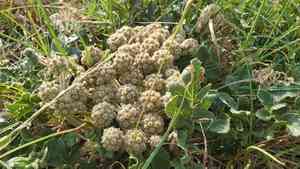
American silvertop (Glehnia littoralis)
Also known as: Beach glehnia, Corkwing
The American silvertop (*Glehnia littoralis*) is named after the Russian botanist Peter von Glehn. The term *littoralis* signifies its coastal habitat along the Northern Pacific Rim. Belonging to the carrot family, this plant features white flowers that resemble those of the common carrot.
In This Article
Attributes of American silvertop
Lifespan
Perennial
Plant Type
Herb
Plant Height
30 cm
Spread
15 cm to 30 cm
Leaf Color
Green
Flower Size
3 cm to 6 cm
Flower Color
White Yellow Green
Images of American silvertop
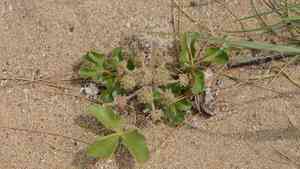
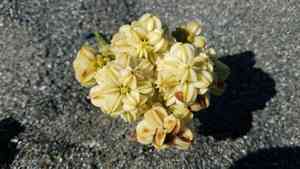
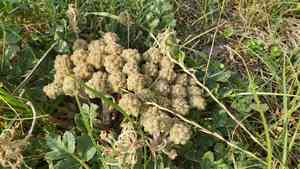
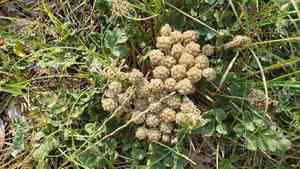
Quickly Identify American silvertop
1
Identifying Glehnia littoralis involves looking for its pinnate leaves, small white flowers, and thick, carrot-like roots. The plant often grows in sandy, dune-like environments.
Scientific Classification of American silvertop
Phylum
Vascular plants
Class
Dicotyledons
Order
Apiales
Family
Umbellifers
Genus
Beach Silvertop
Species
American silvertop
Planting and Growing of American silvertop
Care Difficulty
Easy
Watering Schedule
Every 2 days
Sunlight Requirements
Partial sun
Sunshine Duration
6-8 hours
Ideal Temperature
60-75℉
Soil Type
Potting Mix, Peat Mix
Soil pH
6.5-7.5
Fertilizer Type
Balanced
Pruning Season
Spring, Summer
Pruning Area
Branches, Leaves
Pruning Frequency
2 times a year
Repotting Season
Spring
Pot Type
Plastic, Ceramic
 How to Water American silvertop?
Glehnia littoralis, known for its adaptability to sandy soils, requires moderate watering. Water it with about 500 ml each time, ensuring that the topsoil is thoroughly moistened but not waterlogged. This plant thrives best when watered deeply, allowing the roots to absorb moisture efficiently without becoming saturated.
What are the symptoms of an underwatered American silvertop?
›
What should I do if my American silvertop is not getting enough water?
›
What are the symptoms of an overwatered American silvertop?
›
How to save an overwatered American silvertop?
›
 What Are the Sunlight Requirements for American silvertop?
Partial sun, Full sun. Ideal lighting strengthens Glehnia littoralis by promoting healthy leaves, optimizing photosynthesis, and enhancing its natural resilience against disease and pests.
More About Sunlight Requirements Techniques→
What is the best lighting condition for Glehnia littoralis?
›
How to achieve optimal lighting for Glehnia littoralis?
›
What benefits does ideal lighting offer to Glehnia littoralis?
›
 What Is the Ideal Temperature Range for American silvertop?
The ideal temperature range for growing Glehnia littoralis lies between 60°F and 75°F. This range supports optimal growth and development. Within this temperature window, the plant can efficiently carry out photosynthesis and maintain healthy cellular function. It is crucial to maintain these conditions consistently to promote robust growth and flowering.
 What Soil is Best for American silvertop?
Glehnia littoralis thrives in well-drained soil, which prevents waterlog and root rot. This ensures healthy root development and maximizes nutrient uptake, vital for the plant's robust growth. Despite its coastal origins, Glehnia littoralis prefers soil with low salinity. This minimization of salt content prevents leaf burn and promotes healthy leaf production, leading to fuller foliage. Soil enriched with organic matter is ideal for Glehnia littoralis, as it improves nutrient content and soil structure. This abundance of nutrients supports vigorous growth and overall plant vitality.
 How to Fertilize American silvertop?
For Glehnia littoralis, it is essential to apply moderate amounts of fertilizer to avoid overwhelming the plant. Use approximately 1 tablespoon (about 15 grams) of a balanced granular fertilizer per plant during the growing season. Liquid fertilizers should be diluted to half the recommended strength to prevent root burn.
 How to Prune American silvertop?
Start by identifying and removing any dead or diseased stems. These sections are typically brown or black and will snap easily when bent. Removing them helps redirect the plant's energy towards healthy growth. Once the deadwood is removed, focus on shaping the plant. Use sharp, clean scissors to trim back overgrown areas, ensuring you maintain the plant's natural shape. This will enhance the aesthetic appeal of Glehnia littoralis. Prune back any old flowering stems to the base to encourage new growth. This method not only maintains the plant's vigorous appearance but also promotes blooming in the coming seasons.
More About Pruning Techniques→
 How to Propagate American silvertop plant?
1
Before sowing, soak the seeds of Glehnia littoralis in lukewarm water for 24 hours to enhance germination rates by softening the seed coats.
2
Sow the seeds in seed trays filled with well-draining potting mix, covering them lightly with soil and keeping the tray in a warm, sunny location.
3
For root cutting propagation, gently dig up the plant and identify healthy, mature roots. Use a sharp knife to cut roots into sections about 4-6 inches long.
 How to Repot American silvertop plant?
1
Look for signs like roots emerging from drainage holes or soil that dries out too quickly. These indicators suggest it's time for a larger pot and fresh soil to help Glehnia littoralis thrive.
2
Select a pot that is 1-2 inches larger in diameter than the current one with proper drainage holes. This allows for root expansion and helps prevent water logging, fostering healthy growth.
3
Use a well-draining sandy loam mix to mimic its natural beach-side environment. This promotes root health by providing adequate drainage while retaining the nutrients necessary for growth.
Learn More About American silvertop Diseases
Anthracnose
Bacterial Leaf Spot
Bacterial Soft Rot
Bacterial Wilt
Chemical Injury
Cyst Nematode
Damping-off
Downy Mildew
Drought Stress
Fusarium Wilt
Gray Mold
Leaf Spot
Mosaic
Nutrient Deficiency
Nutrient Toxicity
Powdery Mildew
Root Rot
Root-knot Nematode
Rusts
Sooty Mold
Spider Mites
Temperature Stress
Thrips Damage
White Mold



