How to Transplant Latin american mock vervain?
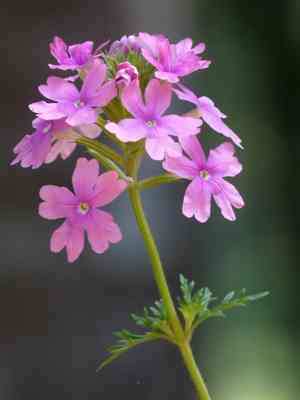
As warmer periods arrive, usually before the peak of summer, latin american mock vervain flourishes particularly well following transplantation. Select a location that receives abundant sunlight and possesses good drainage for latin american mock vervain, providing it with a new beginning. A friendly suggestion: verify that the soil is damp to facilitate latin american mock vervain's adjustment.
What Preparations are Needed Before Transplanting Latin American Mock Vervain?
What is the Ideal Time for Transplanting Latin American Mock Vervain?
The start of the growing season, typically following the last frost, offers the perfect chance to move latin american mock vervain. This period allows latin american mock vervain to establish roots in the warming earth, encouraging vigorous growth. By relocating latin american mock vervain during this window, you're giving it a head start to thrive, ensuring a vibrant display throughout the active months. Placing latin american mock vervain into its new home at this time leverages nature's cycle of renewal, setting the stage for a healthy, enduring plant.
How Much Space Should You Leave Between Latin American Mock Vervain Plants?
When getting ready to transplant latin american mock vervain, ensure the holes are spaced 1-2 feet (30-60 cm) apart. This will guarantee each plant has ample room to grow and isn't competing with nearby plants for resources.
What is the Best Soil Mix for Latin American Mock Vervain Transplanting?
For latin american mock vervain, you need to ensure the soil drains well. Prepare the ground by incorporating plenty of organic material and a balanced, slow-release granular fertilizer. This establishes a strong base for a healthy plant.
Where Should You Relocate Your Latin American Mock Vervain?
Latin american mock vervain loves sunlight, so when selecting your transplant site, choose a location that receives full sun for most of the day. However, if your area experiences intense midday heat, some afternoon shade could be beneficial.
What Equipments Should You Prepare Before Transplantation Latin American Mock Vervain?
Gardening Gloves
Protects your hands while working with the soil and latin american mock vervain.
Trowel
Useful for digging and scooping soil.
Spade
Aids in digging larger holes and removing the plant from its current location.
Watering Can
Vital for watering the plant before and after the transplant.
Pruning Shears
To trim any damaged roots or shoots of the latin american mock vervain.
Hand Cart or Wheelbarrow
Handy for moving the plant, especially if itâs large or heavy.
How Do You Remove Latin American Mock Vervain from the Soil?
How Do You Remove Latin American Mock Vervain from the Soil?
From the Ground: Water the latin american mock vervain generously the day before transplanting. This makes the soil easier to work with and reduces stress to the plant. On transplanting day, using a spade, dig a wide trench around the plant ensuring to keep the root ball intact. Carefully work the spade under the root ball to lift the plant from its original location.From a Pot: Water the latin american mock vervain well before starting the transplant. Turn the pot upside down while gently pulling the plant at the base of its stem. If the plant is stuck, tap the edges of the pot to loosen the soil and roots.From a Seedling Tray: Water the tray before transplanting. Gently press the soil below the seedling through the hole in the tray and lift the latin american mock vervain out by the leaves, never by the stem as it could cause damage.
Step-by-Step Guide for Transplanting Latin American Mock Vervain
Preparation
Ensure the new spot is ready before you begin the process. Dig a hole, deep and wide enough to accommodate the latin american mock vervain's root ball, then fill the hole with water and wait for it to drain.
Removal
Carefully remove the latin american mock vervain from its current location, ensuring the root ball is intact. Trim any damaged or long circling roots.
Planting
Place the latin american mock vervain in the center of the hole. The top of the root ball should be level with the ground surface. Back-fill the hole by spreading soil evenly around the plant.
Watering
Water the plant thoroughly, ensuring the water reaches the roots, not the foliage.
Monitor
Keep an eye on the latin american mock vervain for the first few weeks to ensure it's adapting to its new environment.
How Do You Care For Latin American Mock Vervain After Transplanting?
Pruning
After transplant, reduce the canopy of the latin american mock vervain by about one-third to decrease water loss from leaves and allow the plant to establish its root system.
Watering
Consistent but careful watering is crucial. Keep the soil moist, but not soggy. Over-watering can lead to root rot.
Checking
Regularly check for signs of transplant shock like wilting, yellowing or dropped leaves. If you notice these symptoms, it could be a sign that the latin american mock vervain is not getting enough water, or the spot is either too sunny or too shady.
Protection
Protect the latin american mock vervain from strong winds and extreme temperatures for a few weeks after transplanting. You can do this by using shades or windbreaks.
Troubleshooting Common Issues with Latin American Mock Vervain Transplantation.
What is the optimal time to transplant latin american mock vervain?
The best time to relocate latin american mock vervain is during the S1 season when weather conditions favor growth and root establishment.
What is the proper distance between latin american mock vervain during transplantation?
Latin american mock vervain needs room to flourish, so ensure a gap of about 1-2 feet (30-60 cm) between each plant during transplantation.
What are the best steps to prepare latin american mock vervain for transplantation?
Before transplanting, ensure latin american mock vervain is well watered and the roots are not dry. Also, prepare the new position by digging a hole twice as wide and deep as the pot.
Why is my latin american mock vervain drooping after transplanting?
Latin american mock vervain can exhibit transplant shock, appearing droopy and stressed. Maintain consistent watering schedule and protect it from harsh weather. It should recover with time.
What type of soil is best for transplanting latin american mock vervain?
Latin american mock vervain thrives in well-drained soils enriched with organic matter. Avoid using dense soil, as it prevents good root development.
What do I do if latin american mock vervain isn't growing well after transplantation?
If latin american mock vervain isn't growing as expected, check light conditions, watering routines, and soil fertility. Modify them if necessary and ensure the plant isn't infested with pests or diseases.
Should I prune latin american mock vervain before transplanting?
Yes, it's a good idea to gently prune latin american mock vervain before transplanting. This helps focus the plant's energy on root development, improving overall transplant success.
Can I transplant latin american mock vervain in a pot?
Certainly! Transplant latin american mock vervain in a pot of suitable size. Ensure the pot has adequate drainage holes to prevent water-logging.
What is the best method to remove latin american mock vervain from its current location for transplanting?
Gently dig around the root ball, lift the plant carefully to avoid damage. Keep as much of the original soil intact to reduce transplant shock.
How often should I water latin american mock vervain after transplanting?
Water latin american mock vervain immediately after transplanting. Continue with frequent watering until established. After that, follow a regular watering schedule based on how quickly the soil dries out.



