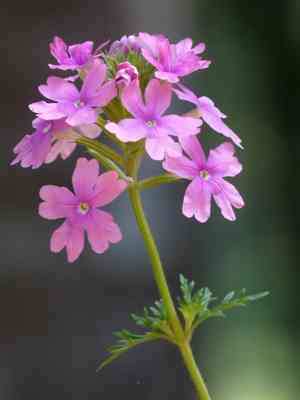
Latin american mock vervain (Glandularia tenera)
Also known as: Verbena tenera
For a beautiful trailing plant from the verbena family that flourishes in the southern states of the USA, consider Glandularia canadensis. This plant blooms all summer long and is perfect for ground cover, window boxes, and hanging baskets. Its colorful flowers attract pollinators and can add vibrant hues to your garden or outdoor space.
In This Article
Attributes of Latin american mock vervain
Lifespan
Perennial, Annual
Plant Type
Herb
Plant Height
15 cm to 25 cm
Spread
60 cm to 90 cm
Leaf Color
Green
Flower Size
2.5 cm
Flower Color
Purple
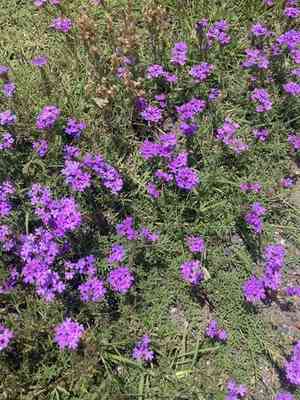
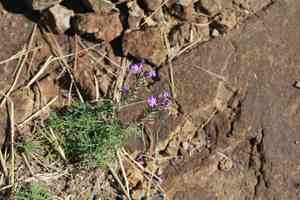
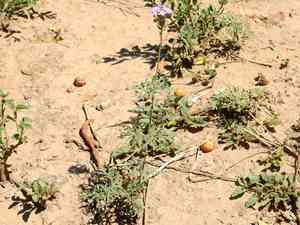
Images of Latin american mock vervain
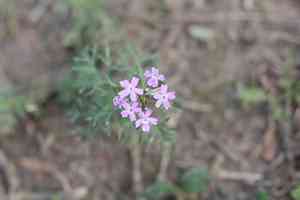
Quickly Identify Latin american mock vervain
1
This plant can be identified by its lush, sprawling habit, deeply lobed leaves, and clusters of small, bright flowers that are typically pink or mauve.
Scientific Classification of Latin american mock vervain
Phylum
Vascular plants
Class
Dicotyledons
Order
Lamiales
Family
Verbena
Genus
Mock vervain
Species
Latin american mock vervain
Planting and Growing of Latin american mock vervain
Care Difficulty
Easy
Watering Schedule
Every 3 days
Sunlight Requirements
Full sun
Sunshine Duration
6-10 hours
Ideal Temperature
60-75℉
Soil Type
Potting Mix, Peat Mix
Soil pH
6.5-7.5
Fertilizer Type
Balanced
Pruning Season
Spring, Summer
Pruning Area
Branches, Leaves
Pruning Frequency
2 times a year
Repotting Season
Spring
Pot Type
Plastic, Ceramic
 How to Water Latin american mock vervain?
The watering amount for Glandularia tenera should be carefully measured to approximately 150 ml per session. This plant prefers its soil to be moderately moist but never waterlogged, and it's crucial to allow the top layer to dry out between watering sessions. The plant responds well to this method as it mimics its natural environment, ensuring roots have sufficient oxygen.
What are the symptoms of an underwatered Latin american mock vervain?
›
What should I do if my Latin american mock vervain is not getting enough water?
›
What are the symptoms of an overwatered Latin american mock vervain?
›
How to save an overwatered Latin american mock vervain?
›
 What Are the Sunlight Requirements for Latin american mock vervain?
Glandularia tenera's ideal light range is full sun, meaning it benefits from 4-6 hours of sunlight daily. This range ensures efficient photosynthesis, optimal growth, and prolific blooming, while also enhancing the plant's resistance to stressors.
More About Sunlight Requirements Techniques→
What is the ideal lighting condition for Glandularia tenera?
›
How can I ensure Glandularia tenera receives its ideal lighting?
›
What benefits does Glandularia tenera gain from ideal light conditions?
›
 What Is the Ideal Temperature Range for Latin american mock vervain?
The ideal temperature range for Glandularia tenera is between 60°F and 75°F. These conditions provide the plant with the perfect environment to thrive, facilitating optimal growth and flowering. Staying within this range ensures the plant maintains its vitality and aesthetic appeal.
 What Soil is Best for Latin american mock vervain?
Glandularia tenera thrives in well-draining soil that prevents water from stagnating around the roots. This helps in avoiding root rot and ensures the plant receives adequate oxygen at the roots, promoting healthier growth. The plant benefits from soil enriched with organic matter. Nutrient-rich mediums support robust flowering and foliage production, providing essential nutrients for optimal plant health. While the soil needs to be well-draining, maintaining a moderately moist environment is crucial for Glandularia tenera's successful growth. This ensures the plant stays hydrated without suffering from water stress.
 How to Fertilize Latin american mock vervain?
Glandularia tenera is not a heavy feeder, so apply fertilizers sparingly. Use a balanced liquid fertilizer at half the strength recommended on the package, about 5 ml per liter of water, to avoid overloading the plant with nutrients.
 How to Prune Latin american mock vervain?
Begin by inspecting your Glandularia tenera for dead or damaged stems and leaves. Using a sharp pair of garden shears, trim these parts off at their base. Next, shape the plant by cutting back overgrown stems, making your cuts just above a leaf node. This encourages new growth at the cut point, promoting a bushier appearance. Ensure to tidy up any debris on the ground to prevent disease.
More About Pruning Techniques→
 How to Propagate Latin american mock vervain plant?
1
Collect seeds from mature Glandularia tenera plants and sow them in trays filled with seed-starting mix. Maintain constant moisture and place in indirect sunlight. It is important to cover the seeds lightly with soil as they require darkness to germinate.
2
Select healthy stems that are disease-free and make a clean cut below a node. Remove the lower leaves and dip the cut end in rooting hormone to improve root development. Insert the cutting into a moist potting mixture and keep it in a shaded area.
3
Carefully dig up an established Glandularia tenera plant and divide its root ball into several sections. Each section should have roots and shoots. Replant the divisions into well-draining soil and water thoroughly to settle the roots.
 How to Repot Latin american mock vervain plant?
1
Glandularia tenera, also known as the 'Fine Verbena,' signals its need for repotting through visible roots at the drainage holes, slow growth, or when the soil dries out excessively fast after watering. Ideally, aim to repot during early spring or summer when the plant is actively growing, which can help minimize transplant shock.
2
Select a pot that's about an inch or two larger in diameter than the current one. This ensures the roots have room to grow but not so much space that the soil retains too much moisture. Choosing the right-sized pot will promote better aeration and prevent overwatering, maintaining the plant’s health and vigor.
3
A well-draining potting mix is ideal for Glandularia tenera. Look for a mix that contains ingredients like perlite or sand, which allows excess water to drain efficiently, preventing root rot. The right soil provides a balanced environment that's conducive to the plant's long-term health and blooming potential.
Learn More About Latin american mock vervain Diseases
Anthracnose
Bacterial Leaf Spot
Bacterial Wilt
Black Spot
Chemical Injury
Crown Gall
Damping-off
Downy Mildew
Drought Stress
Fusarium Wilt
Gray Mold
Leaf Curl
Leaf Spot
Mosaic
Nutrient Deficiency
Nutrient Toxicity
Powdery Mildew
Root Rot
Root-knot Nematode
Rusts
Sooty Mold
Spider Mites
Temperature Stress
Thrips Damage
White Mold



