How to Transplant Goldencarpet?
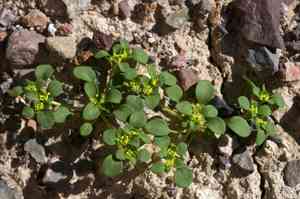
Goldencarpet, an annual species, flourishes most effectively when relocated between early and late spring, benefiting from ideal growing circumstances. Select a bright, adequately drained spot. Guarantee minimal disruption to the root system for a seamless establishment.
What Preparations are Needed Before Transplanting Goldencarpet?
What is the Ideal Time for Transplanting Goldencarpet?
Goldencarpet, an annual plant, should ideally be moved from early to late spring once the soil warms, ensuring strong root development. This timing promotes optimal growth and lessens transplant shock. Relocating during this period enhances the plantâs adaptation to outdoor conditions and boosts its overall health and vigor, leading to a successful growing season.
How Much Space Should You Leave Between Goldencarpet Plants?
When relocating goldencarpet, it's best to provide ample room for each plant to expand. Position them approximately 12-18 inches (30-45 cm) apart for peak health and development.
What is the Best Soil Mix for Goldencarpet Transplanting?
Prepare a soil mixture that drains effectively for goldencarpet. Sandy or loamy soil with a neutral to slightly alkaline pH is perfect. You can incorporate a balanced base fertilizer to enrich the soil prior to transplanting.
Where Should You Relocate Your Goldencarpet?
Goldencarpet thrives in full sun. Select a garden location that receives at least 6-8 hours of direct sunlight daily to ensure the best growth and flowering conditions.
What Equipments Should You Prepare Before Transplantation Goldencarpet?
Gardening Gloves
To safeguard your hands while handling soil and plants.
Trowel
For excavating holes and loosening the earth.
Garden Spade
To precisely dig a trench around the plant.
Watering Can or Hose
For hydrating the plant before and after relocation.
Pruning Shears
To trim any damaged roots or foliage.
How Do You Remove Goldencarpet from the Soil?
How Do You Remove Goldencarpet from the Soil?
From Ground: First, hydrate the goldencarpet plant to moisten the soil. Then, excavate a wide trench around the plant using a shovel or spade, ensuring the plant's root ball remains intact. Carefully work the spade beneath the root ball to lift the plant from its original spot.From Pot: Water the goldencarpet plant thoroughly to facilitate removal. Hold the plant gently at its base and invert the pot sideways or upside down, tapping the sides and bottom until the plant slides out. Ensure the root ball stays whole.From Seedling Tray: Lightly water the seedlings to dampen the soil. Gently press the bottom of each cell to push the seedling upwards, being careful with the roots. Lift the seedlings by their leaves, not their stems, to prevent harm.
Step-by-Step Guide for Transplanting Goldencarpet
Site Preparation
Prepare the new planting location by loosening the soil and digging a hole that is twice the width of the plant's root ball.
Plant Placement
Position the goldencarpet plant into the hole, ensuring the top of the root ball is level with the soil surface. Adjust the hole depth as necessary.
Backfilling Soil
Gently refill the hole with soil, pressing it down lightly to remove air pockets and support the plant.
Watering
Thoroughly water the plant immediately after transplanting to help settle the soil around the roots.
Mulching
Apply a thin layer of mulch around the base of the plant to retain moisture and deter weeds.
How Do You Care For Goldencarpet After Transplanting?
Watering
Keep the soil around the goldencarpet consistently moist, but not waterlogged, for the initial few weeks post-transplant to aid in strong root establishment.
Fertilizing
Consider using a balanced, water-soluble fertilizer to supply any necessary nutrients.
Inspecting
Regularly examine the plant for indications of stress or disease and address any issues promptly.
Supporting
If required, use stakes or supports to help the plant remain upright until it becomes established.
Troubleshooting Common Issues with Goldencarpet Transplantation.
What is the best time to transplant goldencarpet?
Relocate goldencarpet from early spring to late spring for optimal growth and survival.
How much spacing do goldencarpet plants need?
Space goldencarpet plants 12-18 inches (30-45 cm) apart to ensure they flourish.
How should I prepare the soil for goldencarpet?
Utilize well-draining soil and consider adding compost to enrich it before transplanting goldencarpet.
How do I avoid transplant shock for goldencarpet?
Water goldencarpet thoroughly before relocating and handle the roots gently to minimize shock.
When should I water goldencarpet after transplanting?
Water goldencarpet immediately after transplanting and maintain consistent moisture during the initial weeks.
How deep should I plant goldencarpet?
Plant goldencarpet at the same depth it was in its original container to prevent stress.
What is the ideal soil pH for goldencarpet?
Ensure the soil pH is between 6.0 and 7.0 for optimal growth of goldencarpet.
How do I ensure proper root development for goldencarpet?
Loosen the soil around the planting hole to encourage healthy root development for goldencarpet.
Should goldencarpet be fertilized after transplanting?
Wait a few weeks to fertilize goldencarpet after transplanting to avoid over-fertilization stress.
Can goldencarpet be transplanted in direct sunlight?
Yes, but avoid transplanting goldencarpet during the hottest part of the day to prevent wilting.



