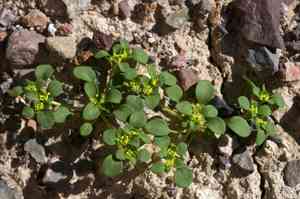
Goldencarpet (Gilmania luteola)
Also known as: Nevada Suncup
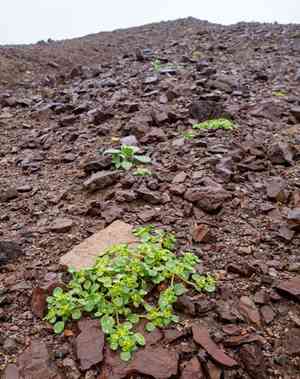
This plant species is exclusively located on arid, alkaline slopes in Death Valley, California, particularly around the area known as Artist's Palette.
In This Article
Attributes of Goldencarpet
Lifespan
Annual
Plant Type
Herb
Plant Height
Approximately 8-15 cm
Spread
Approximately 10-20 cm
Leaf Color
Gray-green
Flower Size
Approximately 1-2 cm
Flower Color
Yellow
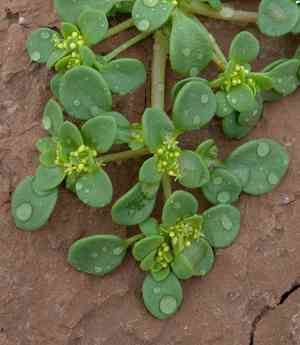
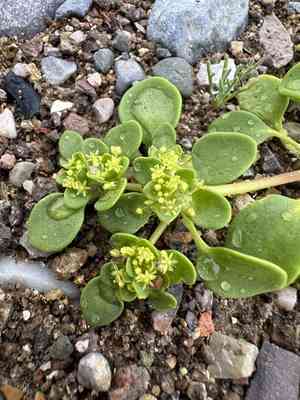
Images of Goldencarpet
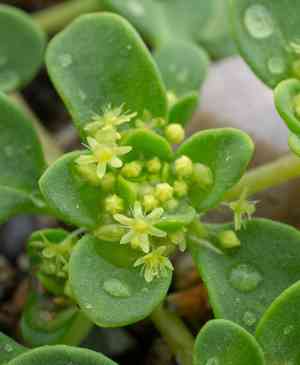
Quickly Identify Goldencarpet
1
Gilmania luteola can be identified by its small yellow flowers and its preference for desert habitats. The plant has a low-growing, bushy appearance with sparse foliage.
Scientific Classification of Goldencarpet
Phylum
Vascular plants
Class
Dicotyledons
Order
Caryophyllales
Family
Buckwheat
Genus
Goldencarpet
Species
Goldencarpet
Planting and Growing of Goldencarpet
Care Difficulty
Hard
Watering Schedule
Every day
Sunlight Requirements
Full sun
Sunshine Duration
4-8 hours
Ideal Temperature
50-70℉
Soil Type
Potting Mix, Peat Mix
Soil pH
6.5-7.5
Fertilizer Type
Balanced
Pruning Season
Spring, Summer
Pruning Area
Branches, Leaves
Pruning Frequency
2 times a year
Repotting Season
Spring
Pot Type
Terracotta, Plastic
 How to Water Goldencarpet?
Gilmania luteola prefers its soil to be kept moderately moist with about 250 ml of water per session. Ensure the soil is evenly drenched, yet avoid water accumulation to mimic natural rainfall frequency.
What are the symptoms of an underwatered Goldencarpet?
›
What should I do if my Goldencarpet is not getting enough water?
›
What are the symptoms of an overwatered Goldencarpet?
›
How to save an overwatered Goldencarpet?
›
 What Are the Sunlight Requirements for Goldencarpet?
Gilmania luteola fares well with full to partial sun exposure. Such light ensures robust health, enhances visual appeal with bright foliage, and aids in abundant flowering.
What is the ideal sunlight condition for Gilmania luteola?
›
How can you achieve the ideal light conditions?
›
What benefits arise from ideal light exposure?
›
 What Is the Ideal Temperature Range for Goldencarpet?
Gilmania luteola thrives best in temperatures ranging from 50°F to 70°F. This range ensures that the plant undergoes optimal metabolic activities, supporting healthy growth, vibrant foliage, and maximum flowering potential.
 What Soil is Best for Goldencarpet?
Gilmania luteola thrives in well-drained soil, which helps prevent root rot and promotes healthy root development. This plant benefits from nutrient-rich soil, providing essential minerals for a robust growth, leading to vibrant foliage and flowers. While it requires drainage, the soil should retain enough moisture to keep the roots hydrated, which is crucial for its overall vigor.
 How to Fertilize Goldencarpet?
Gilmania luteola prefers a balanced approach when it comes to fertilization. Use half-strength liquid fertilizer to avoid overburdening the plant. Apply approximately half a tablespoon per gallon of water to maintain the optimal growth and health of the plant.
 How to Prune Goldencarpet?
Begin by carefully examining the plant for any stems that demonstrate signs of being dead or damaged. Snip these off at their base to prevent fungal infections and encourage new and healthy growth. Prune for shape by cutting back overly long stems that disrupt the plant’s natural appearance. This helps maintain a pleasing and uniform growth pattern, giving the plant an aesthetically pleasing structure.
 How to Propagate Goldencarpet plant?
1
Fill the seed tray with potting soil, ensuring to leave a little space at the top. Lightly water the soil so that it is moist but not waterlogged.
2
Evenly distribute the Gilmania luteola seeds across the soil surface. Cover them with a thin layer of soil or vermiculite to help maintain moisture and warmth.
3
Place the seed tray in a warm, bright location. Avoid direct sunlight, which can be too intense. Maintain a consistent temperature between 18-22°C until germination occurs.
 How to Repot Goldencarpet plant?
1
Repotting Gilmania luteola is essential when you notice its roots are pot-bound, emerging from the drainage holes, or when its growth seems stunted. Ideally, the best time is during the growing seasons, spring and summer, when the plant can quickly adjust to new conditions.
2
Select a pot that is one or two sizes larger than the current one with ample drainage holes. Terracotta pots are an excellent choice because they are breathable and help prevent overwatering by allowing excess moisture to evaporate more readily.
3
Use a well-draining sandy mix to mimic the plant’s natural desert habitat. Such soil ensures that water doesn’t linger around the roots, thereby reducing the risk of root rot while promoting healthy plant growth.
Learn More About Goldencarpet Diseases
Anthracnose
Bacterial Leaf Spot
Bacterial Soft Rot
Bacterial Wilt
Crown Gall
Cyst Nematode
Damping-off
Downy Mildew
Drought Stress
Fusarium Wilt
Gray Mold
Leaf Curl
Leaf Spot
Mosaic
Nutrient Deficiency
Nutrient Toxicity
Powdery Mildew
Root Rot
Root-knot Nematode
Rusts
Sooty Mold
Spider Mites
Temperature Stress
Thrips Damage
White Mold



