How to Transplant Tahitian bridal veil?
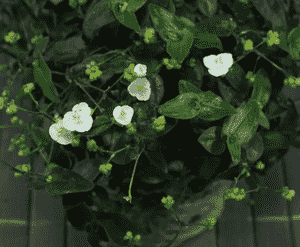
Tahitian bridal veil flourishes when relocated during the transition from early to late spring, a period offering prime growth circumstances. A spot receiving ample, filtered light is perfect. Verify that the new location possesses soil with good drainage to foster robust root expansion.
What Preparations are Needed Before Transplanting Tahitian Bridal Veil?
What is the Ideal Time for Transplanting Tahitian Bridal Veil?
The best time to move tahitian bridal veil is from the start to the end of spring. This period allows tahitian bridal veil to establish its root system more effectively, aided by mild temperatures and increased daylight. Transplanting at this time reduces shock and maximizes growth, ensuring the plant thrives in its new spot throughout the growing season.
How Much Space Should You Leave Between Tahitian Bridal Veil Plants?
When relocating tahitian bridal veil, ensure each plant is positioned about 12 inches (30 cm) apart. This provides ample room for growth without crowding. A small measuring tape can assist in maintaining uniform spacing.
What is the Best Soil Mix for Tahitian Bridal Veil Transplanting?
Tahitian bridal veil flourishes in soil that drains well and is fertile. Prepare the soil using a blend of potting mix and compost. Incorporating a balanced base fertilizer (such as 10-10-10 NPK) will supply essential nutrients for robust development.
Where Should You Relocate Your Tahitian Bridal Veil?
Select a well-lit spot for moving your tahitian bridal veil. They prefer indirect sunlight or partial shade, avoiding direct afternoon sun which can burn their leaves. Verify the location for consistent light exposure throughout the day.
What Equipments Should You Prepare Before Transplantation Tahitian Bridal Veil?
Gardening Gloves
To safeguard your hands while handling soil and the plant.
Garden Spade or Shovel
For excavating the plant from its original spot and creating a new planting hole.
Trowel
Useful for more precise digging and managing the plant's root structure.
Watering Can or Hose
To hydrate the plant before and after its relocation.
Plant Label
To mark the new position of your moved tahitian bridal veil.
Mulch
To help retain moisture around the plant after its transfer.
How Do You Remove Tahitian Bridal Veil from the Soil?
How Do You Remove Tahitian Bridal Veil from the Soil?
From Ground: First, water the tahitian bridal veil to moisten the soil. Then, dig a wide trench around the plant using a shovel or spade, ensuring the plant's root ball stays intact. Carefully work the spade beneath the root ball to lift the plant from its original location.From Pot: Water the tahitian bridal veil thoroughly before taking it out of the pot. Gently tap the sides and bottom of the pot to loosen the plant. Carefully slide the plant out, supporting the root ball with your hand.From Seedling Tray: Ensure the soil is damp before handling the tahitian bridal veil seedlings. Gently push up from the bottom of each cell to lift the seedlings out, keeping as much soil around the roots as possible.
Step-by-Step Guide for Transplanting Tahitian Bridal Veil
Site Preparation
Prepare a new spot by digging a hole that is twice as wide and the same depth as the root ball of your tahitian bridal veil.
Remove from Original Location
Follow the specific removal procedure based on whether the plant is in the ground, a pot, or a seedling tray.
Planting
Place the tahitian bridal veil into the prepared hole, ensuring the top of the root ball is level with the surrounding soil. Fill the hole with soil, gently firming it around the plant.
Watering
Water the tahitian bridal veil thoroughly after transplanting to help settle the soil around the roots.
Mulching
Apply a layer of mulch around the base of the tahitian bridal veil to help retain moisture.
How Do You Care For Tahitian Bridal Veil After Transplanting?
Watering
Keep the soil around the tahitian bridal veil consistently moist, but not waterlogged, for the initial weeks after transplanting to aid in root establishment.
Monitoring
Regularly check the plant for signs of stress, such as wilting or yellowing leaves, and address any issues promptly.
Weed Control
Keep the area around the tahitian bridal veil free from weeds to reduce competition for nutrients and water.
Protection
Provide some shade for the tahitian bridal veil if it shows signs of transplant shock, such as drooping or leaf drop.
Troubleshooting Common Issues with Tahitian Bridal Veil Transplantation.
When is the best time to transplant tahitian bridal veil?
The ideal period to move tahitian bridal veil is from early spring to late spring.
How much space should I leave between each tahitian bridal veil plant?
Each tahitian bridal veil plant should be spaced approximately 12 inches (30 cm) apart.
How do I prepare the soil for transplanting tahitian bridal veil?
Ensure the soil is well-draining and enriched with organic matter like compost.
What if my tahitian bridal veil plant shows signs of transplant shock?
Keep the plant well-watered and provide partial shade until it recovers.
Should I prune tahitian bridal veil before transplanting?
Yes, lightly trim damaged or overgrown stems to encourage healthy growth post-transplant.
What's the right depth to plant tahitian bridal veil after transplanting?
Plant at the same depth it was previously, ensuring the root base is fully covered.
How often should I water tahitian bridal veil after transplanting?
Water thoroughly right after transplanting, then keep soil consistently moist but not soggy.
Can I use fertilizer when transplanting tahitian bridal veil?
Use a balanced fertilizer sparingly during transplanting, focusing more on organic soil amendments.
What should I do if tahitian bridal veil leaves turn yellow post-transplant?
Yellow leaves might indicate over-watering. Adjust watering schedule and check for proper drainage.
What's the ideal temperature for transplanting tahitian bridal veil?
Transplant tahitian bridal veil when the temperature is between 60°F to 75°F (15°C to 24°C).



