How to Transplant Solanders geranium?
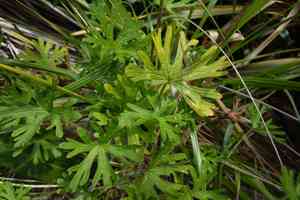
Solanders geranium flourishes most effectively when relocated during the gentle shifts from mid-spring to early summer, or in the latter part of autumn. These intervals facilitate superior root development. Select a brightly lit location with soil that drains efficiently to aid solanders geranium in acclimating without difficulty.
What Preparations are Needed Before Transplanting Solanders Geranium?
What is the Ideal Time for Transplanting Solanders Geranium?
Relocating solanders geranium, a perennial, is best done during mid to late spring or late autumn. These periods allow for optimal root establishment due to mild temperatures and sufficient rainfall. Moving the plant during these seasons minimizes stress, promotes growth, and increases survival rates, preparing solanders geranium for robust blooming in the subsequent growing season.
How Much Space Should You Leave Between Solanders Geranium Plants?
When relocating solanders geranium, ensure each plant is spaced 18-24 inches (45-60 cm) apart. This provides ample room for their development and flourishing.
What is the Best Soil Mix for Solanders Geranium Transplanting?
Prepare soil that drains well, ideally loamy, and incorporate some compost or a balanced base fertilizer, such as a 10-10-10 formula, to supply solanders geranium with essential nutrients.
Where Should You Relocate Your Solanders Geranium?
Select a location for solanders geranium that receives full sun to partial shade. This means aiming for approximately 6-8 hours of daily sunlight to ensure healthy development.
What Equipments Should You Prepare Before Transplantation Solanders Geranium?
Gardening Gloves
To safeguard your hands while handling soil and plants.
Hand Trowel
For excavating small holes and removing earth.
Shovel or Spade
Used for digging larger holes and trenches.
Garden Fork
To loosen the ground around the plant.
Watering Can or Hose
For hydrating the plant before and after relocation.
Pruners
To trim roots or foliage as needed.
Mulch
To aid in retaining soil moisture and temperature after transplant.
How Do You Remove Solanders Geranium from the Soil?
How Do You Remove Solanders Geranium from the Soil?
From Ground: First, hydrate the solanders geranium plant to moisten the soil. Next, dig a wide trench around the plant using a shovel or spade, ensuring the plant's root ball remains intact. Carefully work the spade beneath the root ball to lift the plant from its original spot.From Pot: Gently tap the pot's sides to loosen the soil. Invert the pot and carefully slide the solanders geranium plant out, supporting its base with your hand. If the plant resists, gently squeeze the pot or use a hand trowel to loosen the edges.From Seedling Tray: Water the seedling tray thoroughly. Use a hand trowel or your fingers to gently lift the solanders geranium seedlings by their leaves or stem base, taking care not to harm the roots. For very small seedlings, a pencil or small stick can be used to push them up from the bottom.
Step-by-Step Guide for Transplanting Solanders Geranium
Prepare the New Site
Dig a hole twice as wide and equally deep as the root ball of the solanders geranium plant in the designated garden area.
Moisten the Hole
Pour some water into the hole to dampen the new location and facilitate a smooth transition for the plant.
Place the Plant
Carefully position the root ball of the solanders geranium plant into the hole, ensuring it sits at the same depth as it did in its previous spot.
Backfill and Firm
Fill the hole with the excavated soil, gently compacting it around the root ball to eliminate air pockets.
Water Thoroughly
After planting, thoroughly water the solanders geranium plant to settle the soil around its roots.
How Do You Care For Solanders Geranium After Transplanting?
Watering
Keep the soil around the solanders geranium consistently moist, but not waterlogged, for the initial few weeks post-transplant to encourage strong root development.
Mulching
Apply a layer of mulch around the plant's base to help retain moisture and regulate soil temperature.
Monitoring
Regularly inspect the plant for indications of stress, such as wilting or yellowing leaves, and address any issues promptly.
Pruning
Remove any damaged or dead foliage to allow the plant to focus its energy on establishing itself in its new location.
Troubleshooting Common Issues with Solanders Geranium Transplantation.
When is the best time to transplant solanders geranium?
The optimal period to relocate solanders geranium is from mid-spring to early summer or late fall.
What is the ideal spacing for solanders geranium plants?
Space solanders geranium plants 18-24 inches (45-60 cm) apart for optimal growth.
How should I prepare the soil for solanders geranium?
Utilize well-draining soil enriched with compost or organic matter for a successful transplant.
How do I reduce transplant shock in solanders geranium?
Water thoroughly before and after transplanting and minimize disturbance to the roots.
Should I prune solanders geranium before transplanting?
Lightly trim damaged or excessively long roots but avoid extensive cutting to lessen stress.
How deep should I plant solanders geranium in the new location?
Plant solanders geranium at the same depth it was previously growing to ensure stability.
How often should I water solanders geranium after transplanting?
Water solanders geranium regularly, maintaining consistently moist but not waterlogged soil.
Should solanders geranium be shaded after transplanting?
Initially provide partial shade to help solanders geranium acclimate, then gradually expose it to sunlight.
What temperature conditions are ideal for transplanting solanders geranium?
Relocate solanders geranium when temperatures are between 60-75°F (15-24°C) for the best outcome.
How do I know if solanders geranium is adjusting well after transplanting?
Look for new growth and healthy leaves; wilted or yellow leaves may indicate stress.



