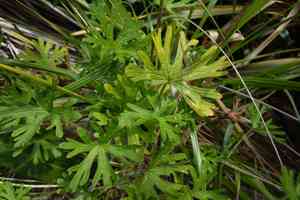
Solanders geranium (Geranium solanderi)
Also known as: Hairy geranium, Geranium
The Solander's geranium, native to Australia, is considered rare or threatened in specific areas. Traditionally, its tannin-rich roots have been utilized for various purposes.
In This Article
Attributes of Solanders geranium
Lifespan
Perennial
Plant Type
Herb
Plant Height
0.3 to 0.6 meters
Spread
Typically up to 0.5 meters
Leaf Color
Green
Flower Size
1 to 2 cm
Flower Color
Light pink to purple
Images of Solanders geranium
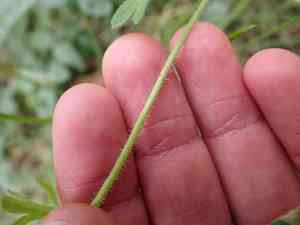
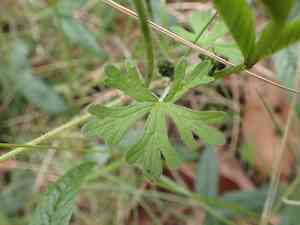
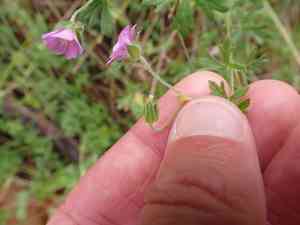
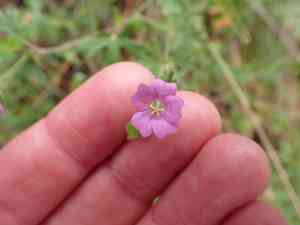
Quickly Identify Solanders geranium
1
Recognize Geranium solanderi by its deeply lobed, hairy leaves and light pink to purple flowers, which feature five petals and are around 1-2 cm in diameter. The plant generally has a sprawling or upright habit.
Scientific Classification of Solanders geranium
Phylum
Vascular plants
Class
Dicotyledons
Order
Geraniales
Family
Geranium
Genus
Geraniums
Species
Solanders geranium
Planting and Growing of Solanders geranium
Care Difficulty
Easy
Watering Schedule
Every 2 days
Sunlight Requirements
Full sun
Sunshine Duration
6-10 hours
Ideal Temperature
60-75℉
Soil Type
Potting Mix, Peat Mix
Soil pH
6.5-7.5
Fertilizer Type
Balanced
Pruning Season
Spring, Summer
Pruning Area
Branches, Leaves
Pruning Frequency
2 times a year
Repotting Season
Spring
Pot Type
Plastic, Ceramic
 How to Water Solanders geranium?
When watering Geranium solanderi, aim for approximately 200 milliliters per session. Use this amount to ensure the soil is adequately moistened without becoming overly saturated. The goal is to reach a balance where the water permeates the root zone, but there's no excessive runoff or waterlogging, allowing roots to thrive and absorb nutrients effectively.
What are the symptoms of an underwatered Solanders geranium?
›
What should I do if my Solanders geranium is not getting enough water?
›
What are the symptoms of an overwatered Solanders geranium?
›
How to save an overwatered Solanders geranium?
›
 What Are the Sunlight Requirements for Solanders geranium?
Geranium solanderi thrives best in full to partial sun, with benefits including robust flowering and foliage health, improved chlorophyll production, and overall vitality when light conditions are optimal.
Optimal Sunlight Exposure
›
Utilizing Light Barriers
›
Seasonal Light Adjustments
›
 What Is the Ideal Temperature Range for Solanders geranium?
The ideal temperature range for Geranium solanderi typically falls between 60°F and 75°F. This range ensures optimal growth and flowering by maintaining a balance that neither stresses the plant with excess heat nor causes dormancy due to cold.
 What Soil is Best for Solanders geranium?
Geranium solanderi thrives in well-draining soil as it prevents roots from sitting in water and rotting. Ensuring good drainage can significantly enhance the plant's health and growth. A nutrient-rich soil provides essential elements for growth, producing vibrant leaves and abundant blooms. Incorporating organic matter can bolster the soil’s nutrient profile. While the soil should drain well, it should also retain enough moisture to hydrate the plant between waterings. This balance aids in healthy root development.
 How to Fertilize Solanders geranium?
For Geranium solanderi, it's crucial to apply the correct amount of fertilizer to avoid nutrient burn or deficiency. When using liquid fertilizer, aim for a concentration of 1/4 to 1/2 the recommended amount, diluted in water. For slow-release fertilizers, apply according to package instructions, but consider using only about 2/3 of the standard amount to avoid over-fertilization. Monitoring plant response can help fine-tune the exact amount needed for optimal growth.
 How to Prune Solanders geranium?
Begin by examining your Geranium solanderi for any dead, diseased, or damaged stems. These are your first target for pruning to ensure the plant's health. Identify any overgrown or leggy stems that disrupt the plant's shape. Cut these back to a leaf node to promote a fuller, bushier appearance. After addressing the main structural stems, trim the edges and spend a moment restoring symmetry to the plant, ensuring an even and attractive form.
More About Pruning Techniques→
 How to Propagate Solanders geranium plant?
1
Ensure the soil is well-draining and rich in organic matter. This provides a robust environment for seed germination and root development, reducing the chance of waterlogging and root rot.
2
Choose healthy and disease-free plant cuttings. They should be about 4-6 inches long, ensuring a higher chance of successful rooting and plant establishment.
3
Place seeds onto the surface of the prepared soil, and cover them lightly. Maintain adequate moisture and place them in a sunny location for optimum germination conditions.
 How to Repot Solanders geranium plant?
1
Geranium solanderi should be repotted when you notice roots emerging from the drainage holes, or when growth seems stunted even with regular care. This indicates the plant is root-bound and has outgrown its current pot.
2
Select a pot that is one size larger than the current one. Ensure it has adequate drainage holes to prevent waterlogging. A slightly bigger pot gives roots space to grow while avoiding excess soil that retains too much moisture.
3
Opt for a well-draining potting mix enriched with organic matter. This ensures that the soil retains necessary moisture while allowing excess water to drain away, preventing root rot.
Learn More About Solanders geranium Diseases
Anthracnose
Bacterial Leaf Spot
Bacterial Soft Rot
Bacterial Wilt
Black Spot
Chemical Injury
Crown Gall
Cyst Nematode
Damping-off
Downy Mildew
Drought Stress
Fusarium Wilt
Gray Mold
Leaf Curl
Leaf Spot
Mosaic
Nutrient Deficiency
Nutrient Toxicity
Powdery Mildew
Root Rot
Root-knot Nematode
Rusts
Sooty Mold
Spider Mites
Temperature Stress
Thrips Damage
White Mold



