How to Transplant Roundleaf geranium?
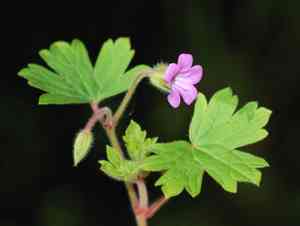
Relocate roundleaf geranium as the crisp air of spring gradually transitions into early summer, promoting vigorous development. Select a brightly lit location featuring soil that drains effectively. Should it be necessary, gradually introduce roundleaf geranium to its new environment to avert transplant stress, facilitating a smooth adjustment to its permanent site.
What Preparations are Needed Before Transplanting Roundleaf Geranium?
What is the Ideal Time for Transplanting Roundleaf Geranium?
The optimal period for relocating roundleaf geranium is the revitalizing phase when winter transitions into mild warmthâoften referred to as the gentle interval between early and late spring. This season offers a harmonious blend of moderate temperatures and increasing daylight, which promotes root establishment before summer heat intensifies. Placing roundleaf geranium into fertile ground during this opportune window not only fosters vigorous growth but aligns with their natural life cycle, ensuring your roundleaf geranium thrives with vitality. Friendly advice: utilize this season to introduce roundleaf geranium to your garden; it's a decision that promises abundant beauty and development.
How Much Space Should You Leave Between Roundleaf Geranium Plants?
When preparing to plant your roundleaf geranium, ensure they have ample room to expand! Aim to provide each plant approximately 4-6 inches (10-15 cm) of clearance. This allows them sufficient space to spread out and flourish. Consider it each plant having its own comfortable zone!
What is the Best Soil Mix for Roundleaf Geranium Transplanting?
The ideal medium for roundleaf geranium is well-draining soil enriched with organic matter â a portion of compost or a balanced, slow-release fertilizer will be highly beneficial. This provides your roundleaf geranium with a nourishing base to begin a healthy and prosperous life in your garden!
Where Should You Relocate Your Roundleaf Geranium?
Your roundleaf geranium prefers a sunny location with some shelter from the most intense rays, particularly during the hottest part of the day. Find a spot where it can absorb gentle sunlight for optimal growth. Partial shade can help prevent your roundleaf geranium from overheating!
What Equipments Should You Prepare Before Transplantation Roundleaf Geranium?
Gardening Gloves
To safeguard your hands while handling soil and plants.
Spade or Shovel
For excavating the plant and the new planting site.
Hand Trowel
For more precise tasks around roots and smaller digging.
Watering Can or Hose
To hydrate the plant before and after relocation.
Pruning Shears
To trim any damaged roots or foliage.
Wheelbarrow or Garden Cart
To move the plant and soil if necessary.
Measuring Tape
To ensure correct spacing between transplanted items.
Stakes or Plant Supports
To brace roundleaf geranium if needed post-transplant.
How Do You Remove Roundleaf Geranium from the Soil?
How Do You Remove Roundleaf Geranium from the Soil?
From Ground: Hydrate the roundleaf geranium plant to moisten the earth. Using a spade or shovel, excavate a wide trench around the plant to encompass as much of the root ball as possible. Gently maneuver the tool beneath the root ball to lift the plant from its original spot, keeping soil around the roots.From Pot: Water the roundleaf geranium thoroughly. Tilt the pot sideways and tap the base to loosen the root ball. Support the plant by its base and carefully extract it. If the plant is root-bound, gently untangle the roots before transplanting.From Seedling Tray: Water the seedlings. Use a hand trowel or a specialized dibber to carefully lift each roundleaf geranium seedling by its leaves, not the stem, to prevent harm. Ensure you bring as much of the root system along with the seedling as possible.
Step-by-Step Guide for Transplanting Roundleaf Geranium
Choosing the Correct Time
Opt for a cool, overcast day if feasible to minimize transplant shock.
Plant Removal
Carefully extract the roundleaf geranium from its current spot, keeping the root ball intact and avoiding excessive root damage.
Digging the Hole
Excavate a hole in the new location that is twice the width of the root ball and the same depth to allow ample room for root expansion.
Placement
Position the roundleaf geranium in the center of the new hole. The top of the root ball should be level with the surrounding soil surface.
Filling In
Carefully backfill the hole with soil, gently pressing down around the roundleaf geranium to eliminate air pockets without compacting the soil too firmly.
Watering
Thoroughly water the roundleaf geranium at its base to help settle the soil and provide moisture for the roots.
Support
If the roundleaf geranium is tall or unstable, insert stakes around the plant and loosely tie the stems for support.
How Do You Care For Roundleaf Geranium After Transplanting?
Monitoring
Regularly check the roundleaf geranium for signs of wilting, which may indicate stress or a need for water.
Adjusting Supports
Inspect stakes or supports and modify them as necessary as the roundleaf geranium grows and becomes more stable.
Pruning
Snip off any yellowing or dead leaves with pruning shears to encourage new growth.
Mulching
Apply a layer of mulch around the base of the roundleaf geranium to help retain soil moisture and suppress weeds.
Gradual Sun Exposure
If the roundleaf geranium was previously in a shadier spot, slowly acclimate it to full sun exposure to prevent sun shock.
Troubleshooting Common Issues with Roundleaf Geranium Transplantation.
Why is my roundleaf geranium wilting after transplanting?
Wilting may stem from transplant shock. Ensure gentle handling, sufficient watering, and protection from intense sunlight for the initial days.
What's the best time to transplant roundleaf geranium for optimal growth?
The prime period to transplant roundleaf geranium is during the cooler days of early to late spring, avoiding the harsh conditions of summer.
How far apart should I space roundleaf geranium when transplanting?
Space roundleaf geranium approximately 4-6 inches (10-15 cm) apart. This provides ample room for growth without overcrowding, ensuring healthy development.
What soil preparation is needed for transplanting roundleaf geranium?
Prepare soil with organic matter and ensure it drains well. A balanced pH level supports roundleaf geranium's growth post-transplant.
How deep should I plant roundleaf geranium?
The root ball of roundleaf geranium should be planted at the same depth it was growing previously. Double-check to avoid planting too deep or too shallow.
Can I transplant roundleaf geranium on a hot, sunny day?
Transplanting roundleaf geranium should be avoided on hot days. Choose a cloudy day or late afternoon to prevent stress and dehydration.
How much water does roundleaf geranium need after transplanting?
Water roundleaf geranium thoroughly after transplanting to settle the soil around the roots. Continue with regular watering to keep the soil consistently moist but not waterlogged.
What should I do if the leaves of roundleaf geranium turn yellow?
Yellowing leaves could indicate overwatering or poor drainage. Adjust your watering routine and ensure the soil is well-draining.
Is it necessary to fertilize roundleaf geranium after transplanting?
Wait a few weeks before fertilizing roundleaf geranium to avoid root burn. A gentle, balanced fertilizer can be applied to encourage growth.
Can I transplant roundleaf geranium in the same spot as last year?
Yes, but replenish the soil with compost or new soil to provide fresh nutrients and reduce disease risks.



